How to Build a Reliable RV Boondocking Power Setup
Published How we research
Boondocking means camping without shore power, water, or sewer hookups, which puts your entire electrical experience on your own shoulders. A power setup that works for a weekend at a busy campground with a nearby generator will fall apart on day three in the desert. The goal is not to buy the biggest components you can find, but to match generation and storage to how you actually live in the rig. That starts with an honest look at what you run and for how long.
Products from this article
The highest-scoring picks from the buying guides this article links to. Scores are our editorial assessment, not customer ratings.
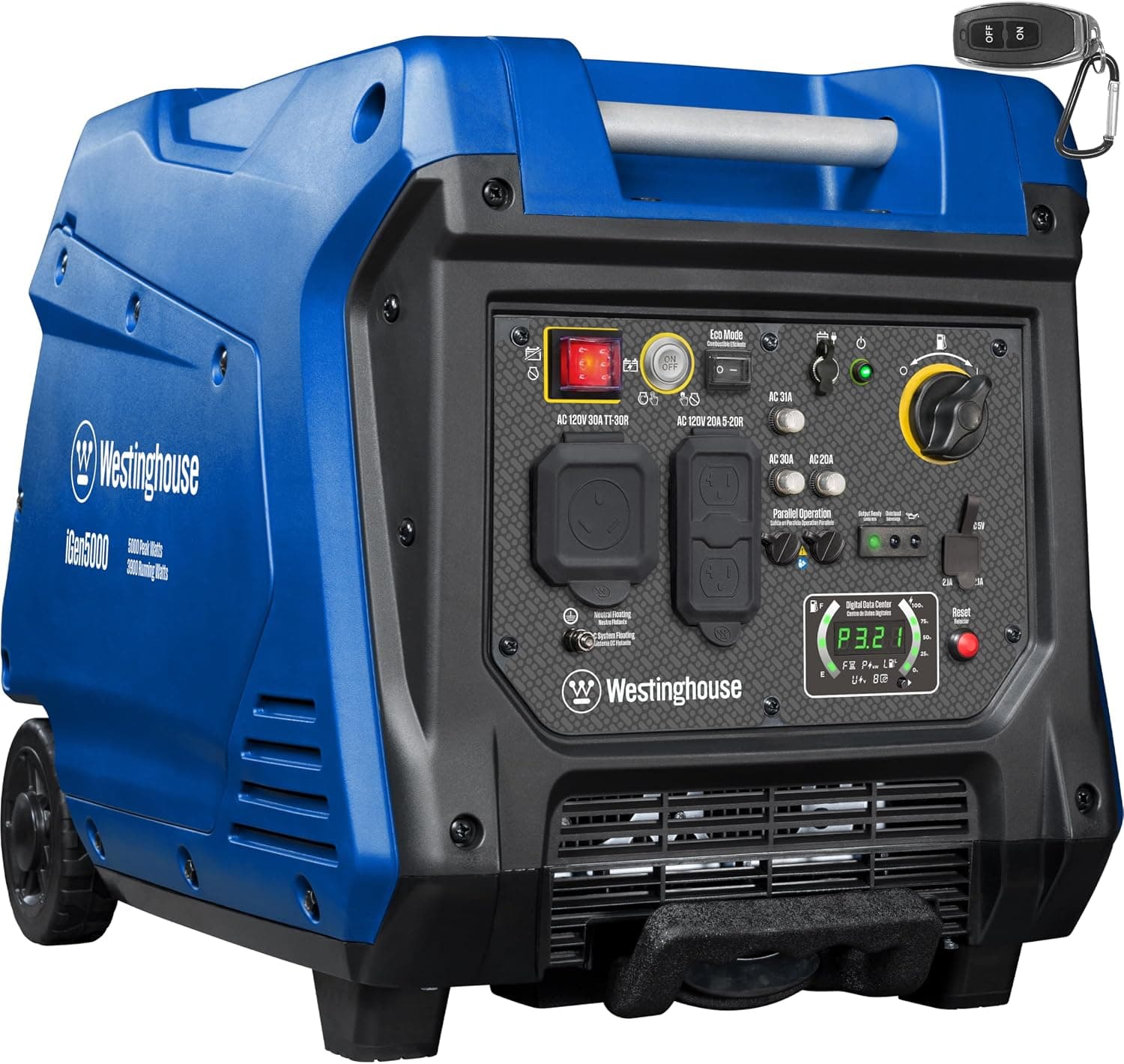
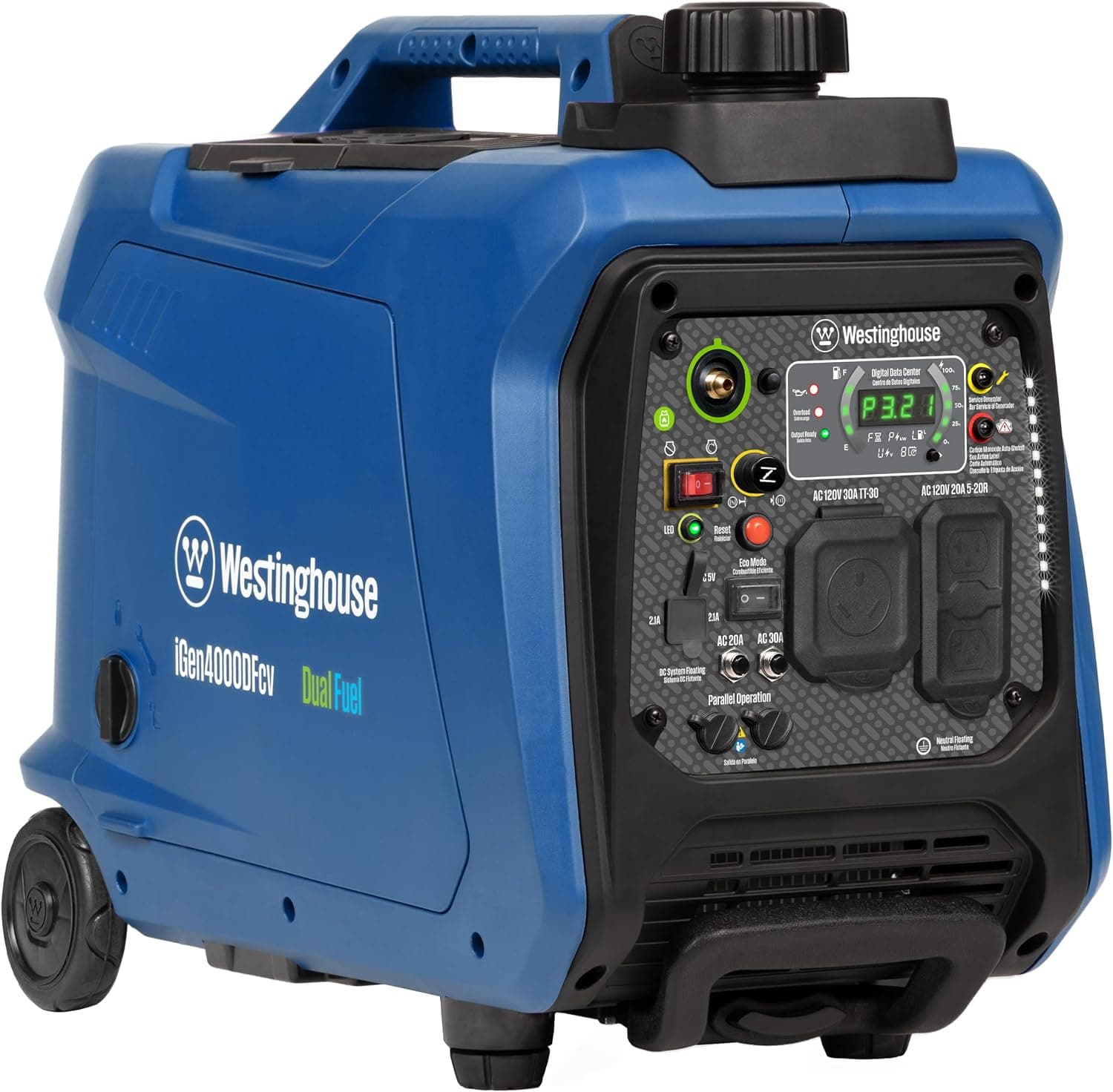
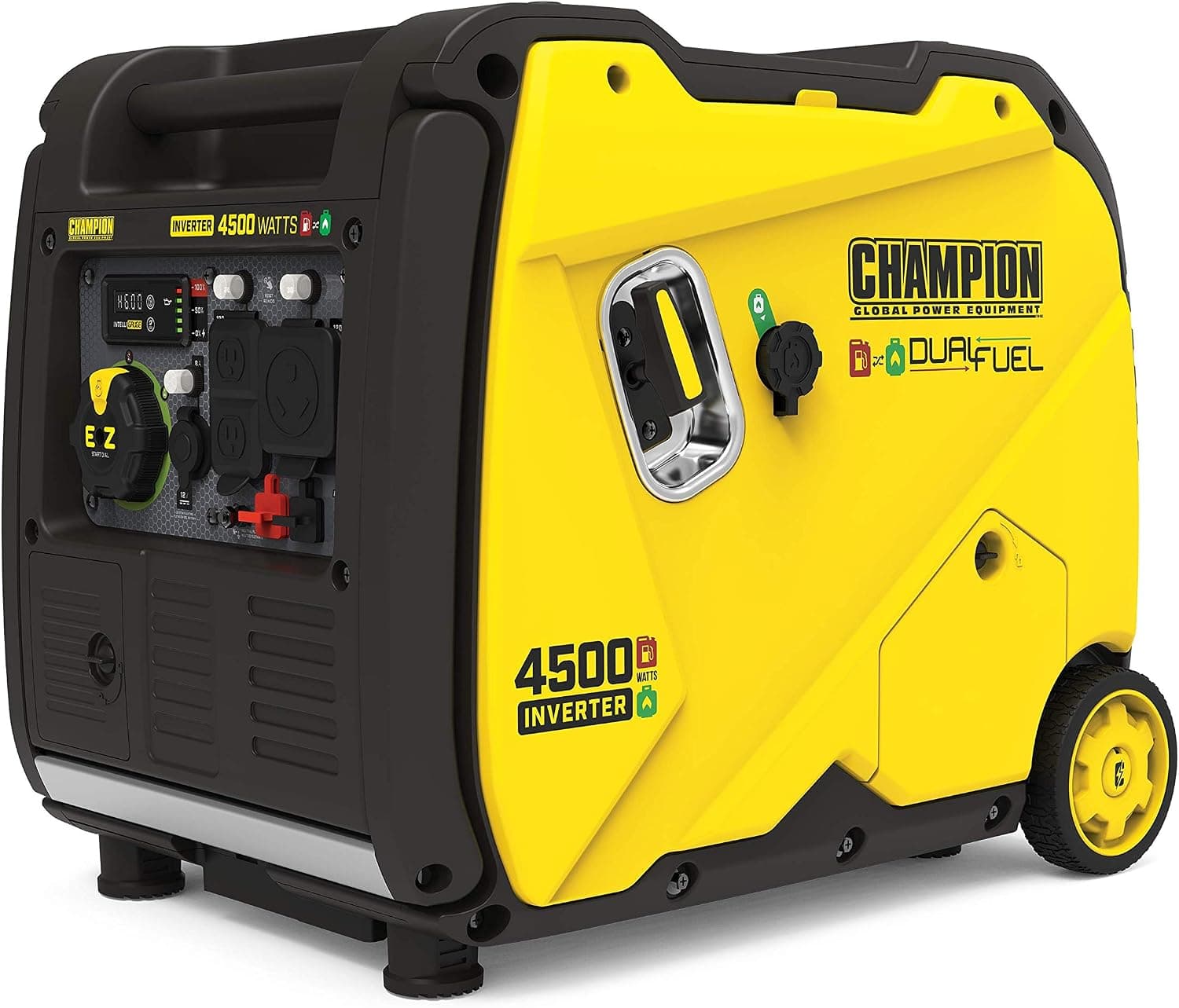
+ 4000 peak watts covers a single AC unit in many travel trailers
From our guide: Best RV Generators
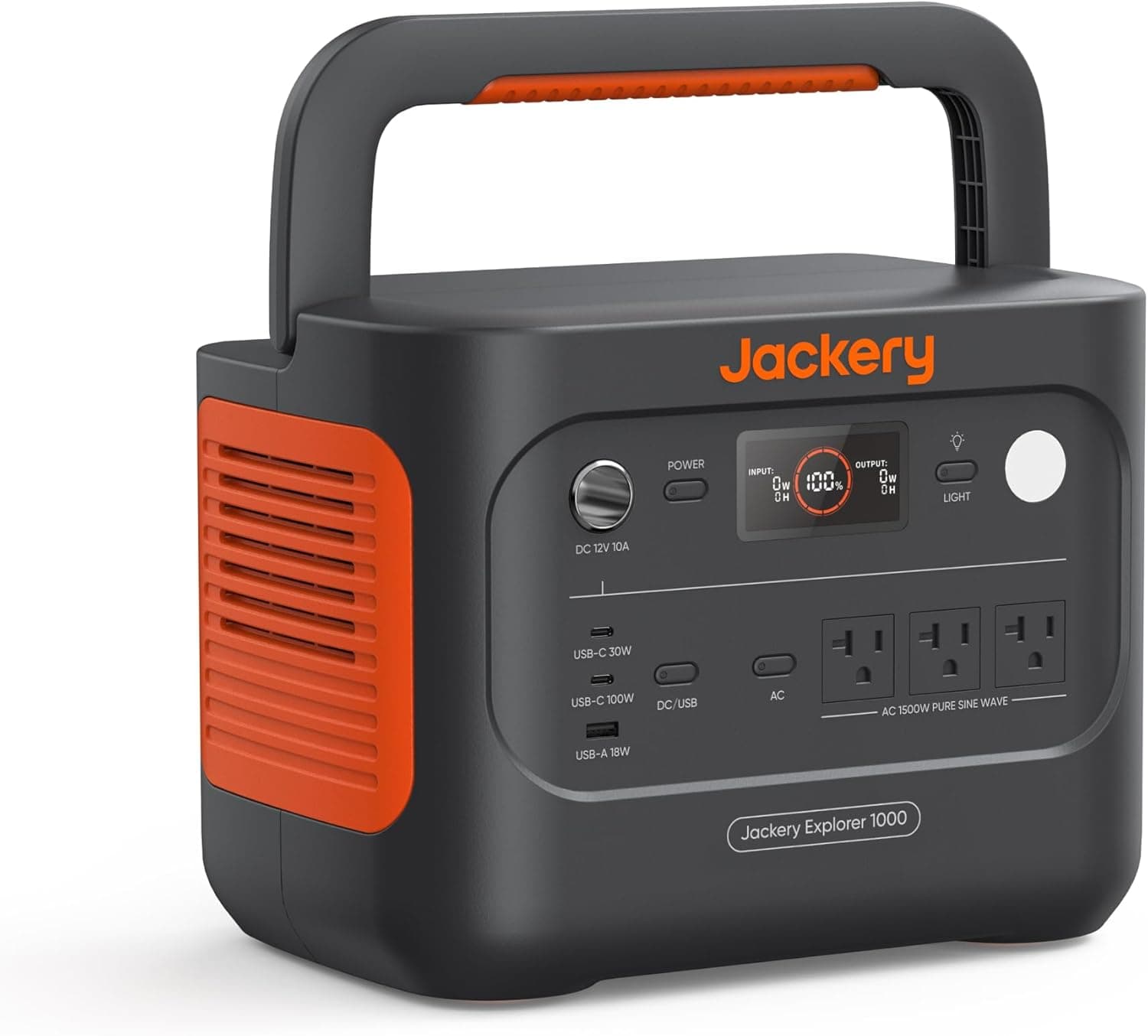
+ 1070Wh capacity runs fans, lights and a small fridge overnight
From our guide: Best Portable Power Stations
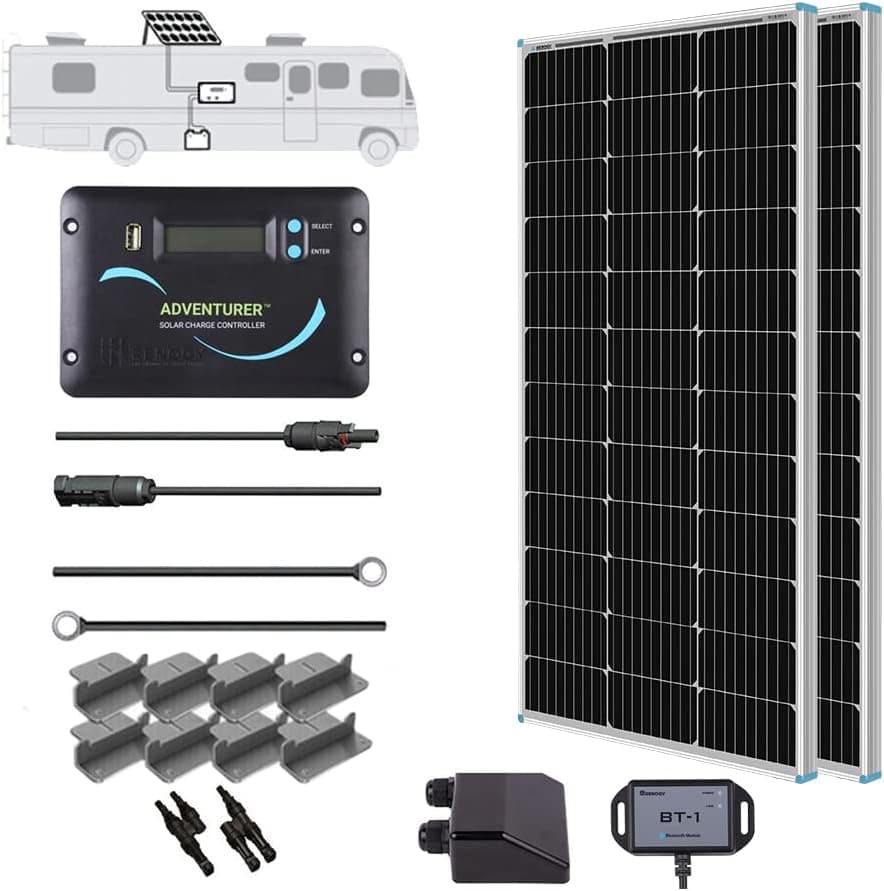
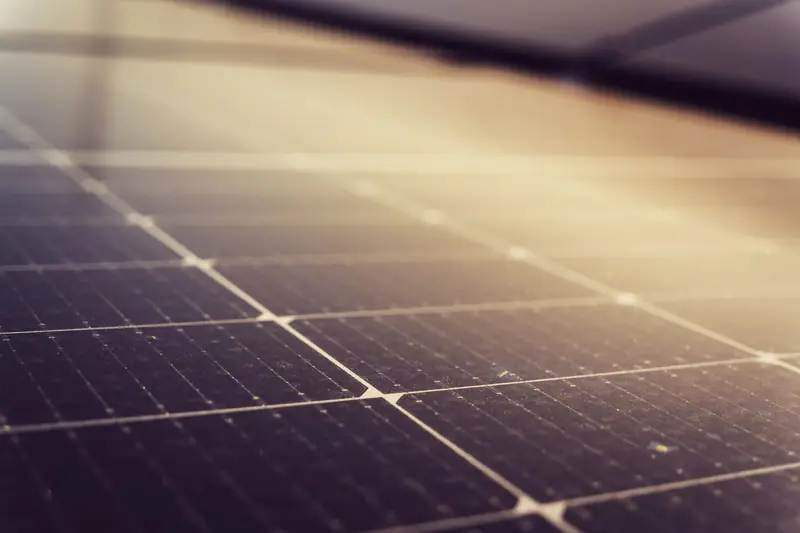
+ Adventurer controller is designed for flush wall mounting inside an RV
From our guide: Best RV Solar Panels
+ Electric start makes starting simple for all members of the family
From our guide: Best RV Generators
Begin by building a load list in amp-hours. Write down every 12-volt and 120-volt device you use, its wattage, and the hours per day it runs. A typical fridge might pull 40 to 60 amp-hours per day on its own, a water pump adds a few, and phone and laptop charging through the inverter adds more. Ceiling fans, a Fantastic Fan running overnight, and a diesel heater's blower all count. Add everything up and you will usually land somewhere between 50 and 150 amp-hours per day for a couple who cook and work off-grid. That daily number is the foundation for everything else.
Size your battery bank to hold two to three days of that load, because you will have cloudy stretches. If you use 100 amp-hours a day, plan for 200 to 300 amp-hours of usable capacity. Lithium iron phosphate (LiFePO4) batteries let you use roughly 90 to 100 percent of rated capacity, so a 200 amp-hour lithium bank gives you nearly all of it. Old flooded lead-acid batteries only give you about half before damage sets in, meaning you would need a 400 amp-hour lead bank for the same usable energy, at far more weight. For most people upgrading today, lithium is the clear choice despite the higher upfront cost.
Solar is your recharge engine, and the rule of thumb is roughly one watt of panel per amp-hour of daily use, then add a generous margin. If you burn 100 amp-hours a day, start at 300 to 400 watts of solar to cover short winter days and imperfect panel angles. Rooftop panels are convenient but fixed flat, so a portable panel you can tilt toward the sun adds meaningful output in the shoulder seasons. Pair panels with an MPPT charge controller, not the cheaper PWM type, since MPPT harvests 20 to 30 percent more from the same panels in cold or low-light conditions.
An inverter turns your battery's 12 volts into 120-volt household power, and here you should buy for your largest single load, not your average. A laptop and a blender are easy, but a microwave or an induction cooktop can demand 1500 watts or more instantly. A 2000-watt pure sine wave inverter handles most galley needs and protects sensitive electronics that a cheap modified sine unit can damage. Wire it with short, thick cables and a properly rated fuse close to the battery, because inverters pull enormous current and undersized wiring is a genuine fire risk.
Finally, keep a backup plan and a way to see what is happening. A small portable generator or the ability to charge from your vehicle alternator through a DC-to-DC charger will save a multi-day rainy stretch. Install a battery monitor with a shunt so you see true amp-hours in and out rather than guessing from voltage. Watch that monitor for the first few trips and you will quickly learn your real consumption, which almost always differs from the spreadsheet. Adjust panels or habits accordingly, and your boondocking power will stop being a source of anxiety.
Popular right now
- How to Fix an RV Water Pump That Runs but Delivers No WaterArticle
- Best RV Slide-Out CoversBuying guide
- Best RV Power CordsBuying guide
- Best RV Backup CamerasBuying guide
- Best RV Solar PanelsBuying guide
- Best RV GPSBuying guide
Based on the last 28 days of search and visitor data.