How to Fix an RV Water Pump That Runs but Delivers No Water
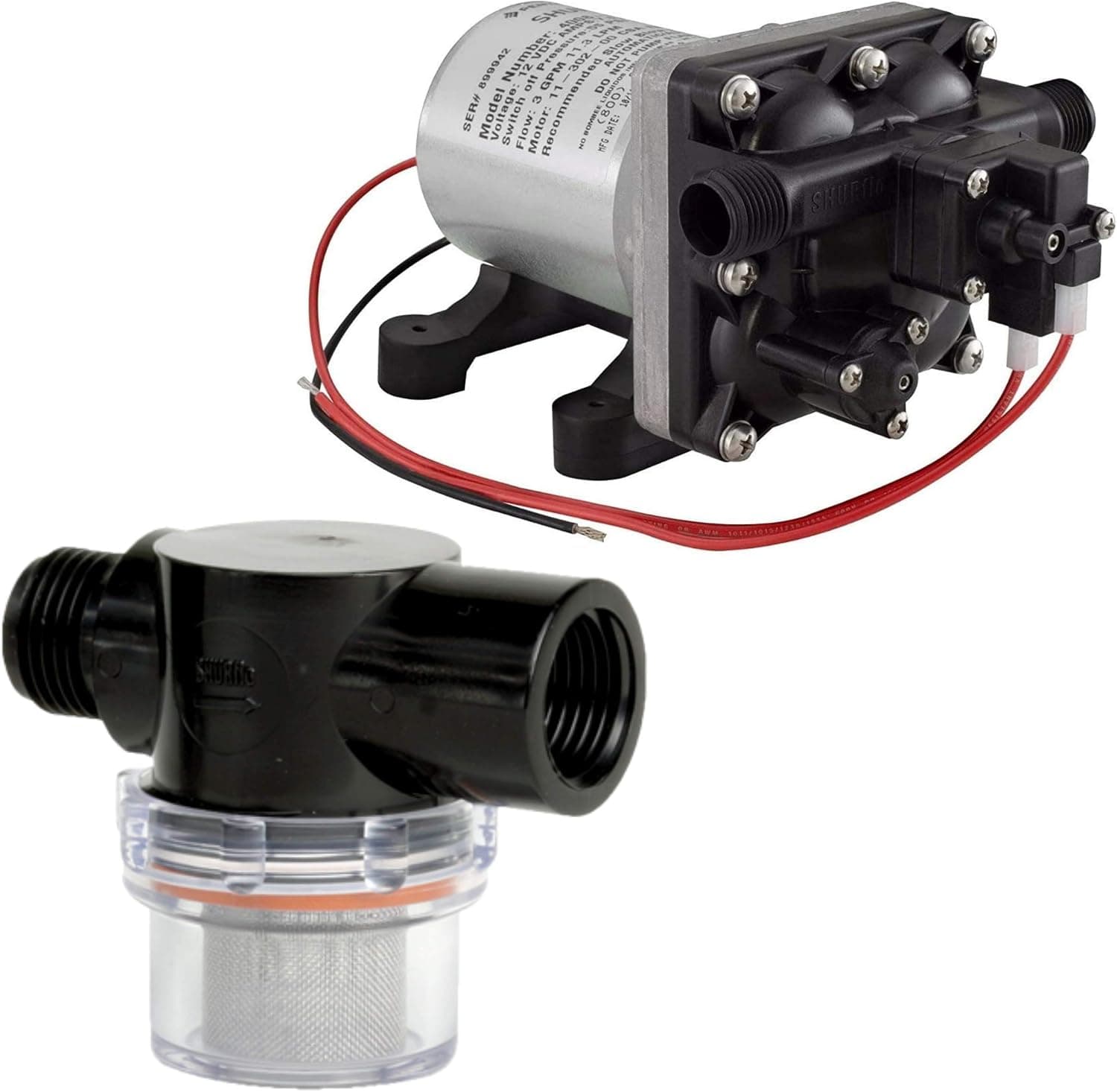
An RV water pump that runs without delivering water, or cycles on and off when nothing is open, is one of the most common problems on the road. The pump itself is often fine. More frequently the cause is an empty tank, a valve left in the wrong position after winterizing, a clogged strainer or an air leak on the suction side. Working through the system from the tank to the tap usually finds the issue in minutes.
Check the fresh water tank
Start with the obvious: gauges on many RVs are unreliable, so confirm the fresh tank actually has water by looking into the fill or checking the tank directly. A pump running on an empty tank sounds louder and faster than normal.
Also make sure the tank vent is not blocked. If air cannot enter as water is drawn out, a vacuum builds and the pump struggles to pull water.
Look at bypass and winterizing valves
After winterizing or de-winterizing, it is easy to leave the pump bypass or antifreeze suction valve in the wrong position. If the pump draws from the winterizing hose instead of the tank, it will pull air and deliver no water.
Trace the lines near the pump and water heater, and set valves to the normal operation positions described in your RV manual. Also check that the water heater bypass is closed when you want water to flow through the heater.
Clean the strainer and prime the pump
Most RV pumps have an inline strainer on the inlet side. Debris, sealant or scale can clog it and starve the pump. Turn the pump off, open a tap to relieve pressure, remove the strainer bowl and rinse the screen.
After cleaning, the pump may need priming. Open a faucet and run the pump for short intervals until water flows steadily. Some owners pour a little water into the inlet line, or connect city water briefly to push water back toward the pump.
Find air leaks
A small leak on the suction side between the tank and pump lets air in, so the pump runs but delivers sputtering water or nothing at all. Check hose clamps, fittings and the strainer bowl seal for cracks or looseness.
On the pressure side, leaks cause the pump to cycle on and off when all taps are closed. Look for drips under sinks, around the toilet valve, at the water heater and outside connections, and check whether the water heater relief valve is dripping.
Test and replace the pump
If water reaches the pump but it still will not build pressure, the pump diaphragm, valves or pressure switch may be worn. Low battery voltage also causes weak pump performance, so test with a fully charged battery or on shore power.
Replacement pumps are relatively easy to install for many owners. Choose one with compatible flow rate and pressure, and consider a quieter variable-speed model and an accumulator tank to smooth out pulsing.