How to Clean RV Solar Panels Safely and Keep Output Up
Published How we research

To clean RV solar panels, rinse off loose dust with plain water, wipe the glass gently with a soft brush or sponge and a little mild soap, rinse again and dry with a squeegee or microfiber towel. Do it in the morning, evening or on a cloudy day, never with abrasives or a pressure washer, and keep water and hands away from connectors and wiring. Below are the tools, the steps, a sensible schedule and how to tell whether dirt is really why your output dropped.
Products from this article
The highest-scoring picks from the buying guides this article links to. Scores are our editorial assessment, not customer ratings.
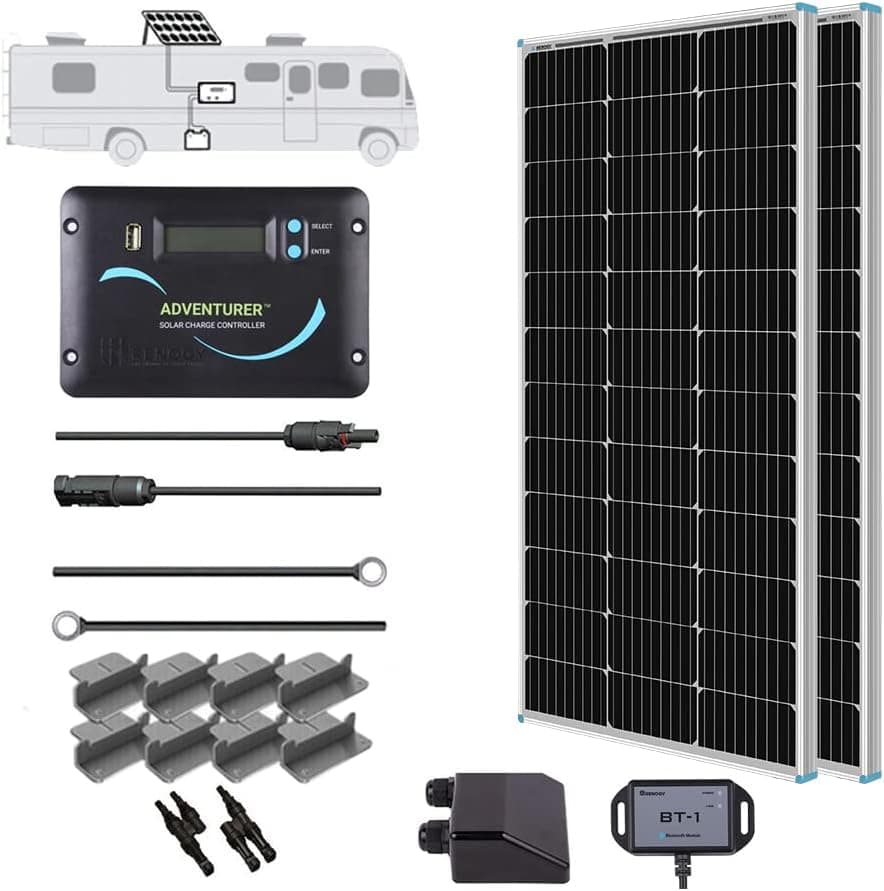
+ Adventurer controller is designed for flush wall mounting inside an RV
From our guide: Best RV Solar Panels
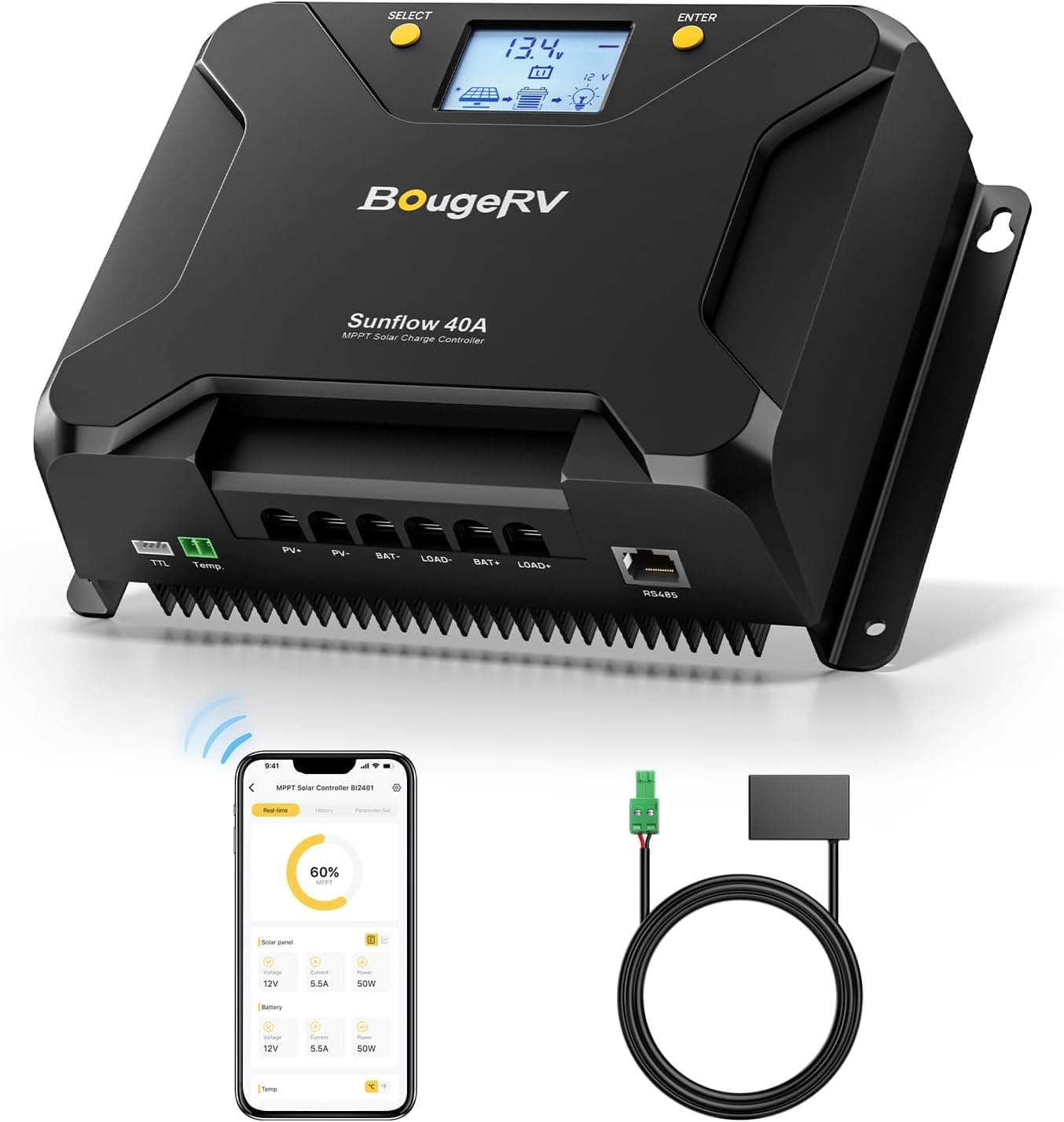
+ Low-temp cut-off stops charging lithium below freezing
From our guide: Best RV Solar Charge Controllers
+ Retracts to 35.75" so it fits in small RV compartments
From our guide: Best RV Ladders
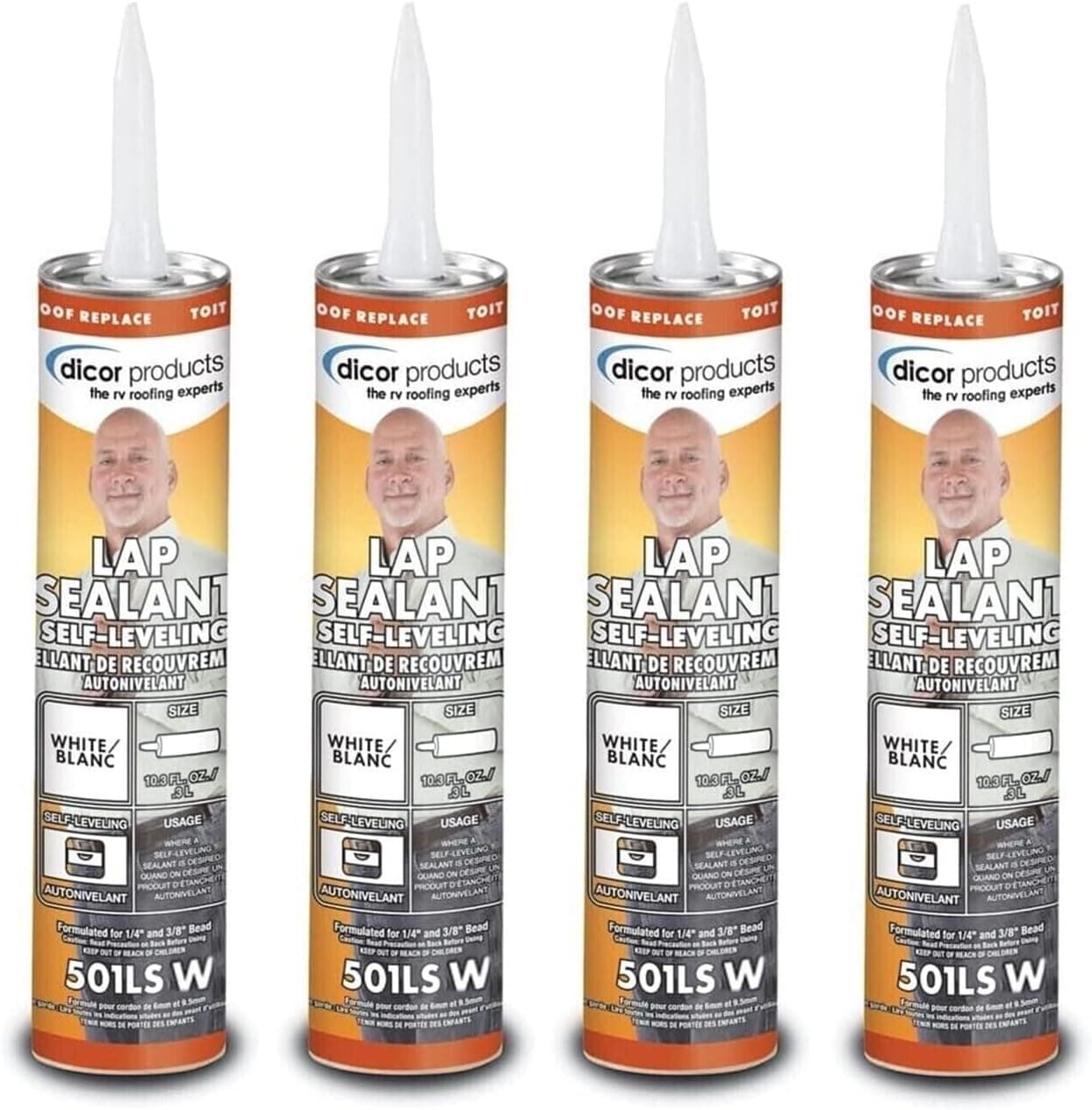
+ Dicor is the standard sealant many RV makers use on rubber roofs
From our guide: Best RV Roof Sealant

Why RV solar panels need cleaning
Dust, pollen, bird droppings, tree sap and road film block part of the light that reaches the cells, and a panel is only as productive as its most shaded cell. A thin even layer of dust costs a small share of output, while a single dropping or a patch of sap over one cell can cost much more, because cells in a panel are wired in series and the shaded one limits the rest. RV panels also sit flat on the roof, so rain does not run dirt off them the way it does on a steeply tilted home array.
Cleaning is cheap and quick compared with adding another panel. If your battery bank is not reaching full charge on sunny days, or your controller shows lower watts than it did when the system was new, a dirty surface is the first and easiest thing to rule out before you suspect the panel, wiring or controller.
What you need before you start
The kit is short: a soft car-wash brush or a sponge, a microfiber towel, a bucket of clean water and a squeegee if you have one. A telescoping brush with a soft head lets you reach the middle of a wide array without stepping on the roof. Plain water does most of the work. If you need soap, use a small amount of mild dish soap and rinse it off fully, because leftover film attracts dust.
Avoid abrasive pads, scouring powder, razor blades, pressure washers and harsh solvents. Panel glass has a coating that is meant to reduce glare and reflection, and scratching or stripping it does permanent damage. Hard water leaves spots, so if your tap water is hard, finish with a rinse of filtered or distilled water, or dry with the microfiber towel.
You also need a safe way up. Many RV roofs are not built to be walked on, so check your owner's manual first. If you do climb up, a sturdy ladder that is rated for your weight and sits securely on the rig is far better than guessing. Our guide to RV ladders covers the common mounted and portable types.
How to clean RV solar panels step by step
Start in the early morning, in the evening or on an overcast day. Glass that is hot from the sun makes water dry fast and leaves streaks, and cold water on hot glass is a needless stress. Before you begin, make sure you are not standing on a wet, slick roof surface, and keep a hand on the ladder or a handhold at all times.
First, rinse the whole panel with plain water to float off loose dust and grit, so you do not drag it across the glass in the next step. Second, wipe with the soft brush or sponge and a little soapy water, working from the top edge down in light straight passes. Third, rinse again until the water runs clear and no suds remain. Finally, pull the water off with a squeegee or pat the glass dry with a clean microfiber towel to avoid spots.
For stuck-on droppings or sap, soak the spot with a wet cloth for a few minutes so it softens, then lift it gently. Do not scrape it. Sap can take a few rounds, and a little isopropyl alcohol on a cloth is a common way to loosen it from glass, followed by a clean water rinse. Test any cleaner on a small corner and check the panel manufacturer's care notes first.
Safety on the roof and around the electrics
Panels keep producing voltage whenever light hits them, so treat the wiring as live. Do not touch exposed connectors, damaged cables or junction boxes while cleaning, and do not spray water into connectors or the cable entry. If you see cracked glass, loose wiring, melted insulation or water inside a panel, stop and have it checked instead of cleaning it. Follow the instructions in your panel and controller manuals for anything beyond wiping the glass.
Do not clean in wind, in lightning weather or on a wet, slippery roof. Fiberglass, rubber and TPO roofs can all get slick when soapy. Wear shoes with a soft flat grip, and if you are unsure about the roof material, clean from a ladder at the edge with a long-handled brush instead. Never stand on the panels themselves.
How often to clean, and how to tell it is time
There is no single schedule. A practical rule is to rinse or wipe the panels every month or two, after dusty or pollen-heavy stretches, after parking under trees and any time you see a visible film or droppings. Rigs parked in desert or farm country, near construction or under sap-dropping trees need it more often than rigs that travel regularly and get rained on.
Your charge controller is the best indicator. Note the peak solar watts or amps you see around midday on a clear day with a given battery state, then compare after cleaning. A clear rise tells you the dirt was costing you. If the numbers barely change, the problem lies elsewhere, such as shading from a vent or antenna, a loose connection, a battery already near full or a controller setting. See our solar charge controller guide for models with clear displays and a battery monitor guide for tracking what actually reaches the bank.
Keeping panels clean longer and checking the roof while you are up
Park away from sap-dropping trees where you can. Cleaning also gives you a free look at the roof. While you are up there, check the sealant around the panel mounts, cable entry and vents for cracks or gaps, and look at mounting hardware for looseness. Small gaps in sealant are the usual path for roof leaks, and a tube of compatible sealant fixes them cheaply. See our roof sealant guide, and make sure the sealant matches your roof type.
If you are shopping for panels, the tilt and flat-mount design affect how fast dirt builds up. Tilting panels shed water better, while flat panels collect more dust but are lower and quieter in the wind. Our solar panel guide compares sizes and types for RV roofs.
Frequently asked questions
Can I use a pressure washer on RV solar panels? It is better not to. High pressure can force water past seals and into connectors, and it can damage the glass coating. A garden hose with a gentle spray and a soft brush is enough for normal dirt.
Does rain clean solar panels well enough? Rain removes light dust, but it often leaves streaks and does not remove droppings, sap or baked-on film. Flat RV panels hold water in place and dry with spots, so a manual wipe once in a while is still worthwhile.
Can I use glass cleaner or vinegar? A mild, non-abrasive, ammonia-free glass cleaner is fine for many panels, but check the manufacturer's instructions for your panel, since some warn against certain chemicals. Plain water with a little mild dish soap is the safest default.
Is it safe to clean panels while the system is on? Wiping the glass is generally done with the system as it is, but keep water away from connectors and wiring. If you are unsure, follow the panel and controller manuals, and have a qualified RV technician handle any electrical work.
Popular right now
- How to Fix an RV Water Pump That Runs but Delivers No WaterArticle
- Best RV Slide-Out CoversBuying guide
- Best RV Power CordsBuying guide
- Best RV Backup CamerasBuying guide
- Best RV Solar PanelsBuying guide
- Best RV GPSBuying guide
Based on the last 28 days of search and visitor data.