RV Solar Setup Guide
Published How we research
If you have ever watched your battery gauge sink after one cloudy afternoon, you already understand why so many RVers add solar. A well planned solar setup lets you park in a quiet forest or a desert overlook and still run your lights, fridge, and fans without hunting for a plug. The good news is that a basic system is far more approachable than most people expect, and you can start small and grow.
Products from this article
The highest-scoring picks from the buying guides this article links to. Scores are our editorial assessment, not customer ratings.
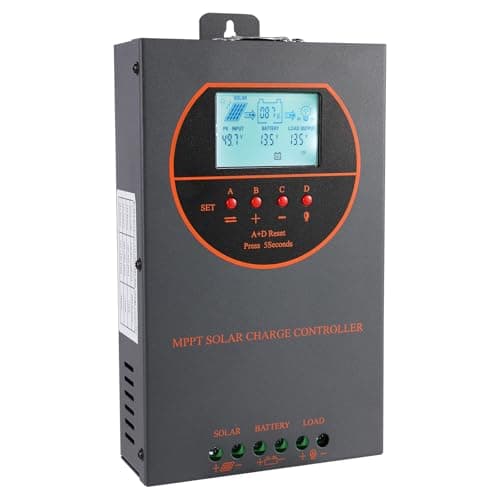
+ Low-temp cut-off stops charging lithium below freezing
From our guide: Best RV Solar Charge Controllers
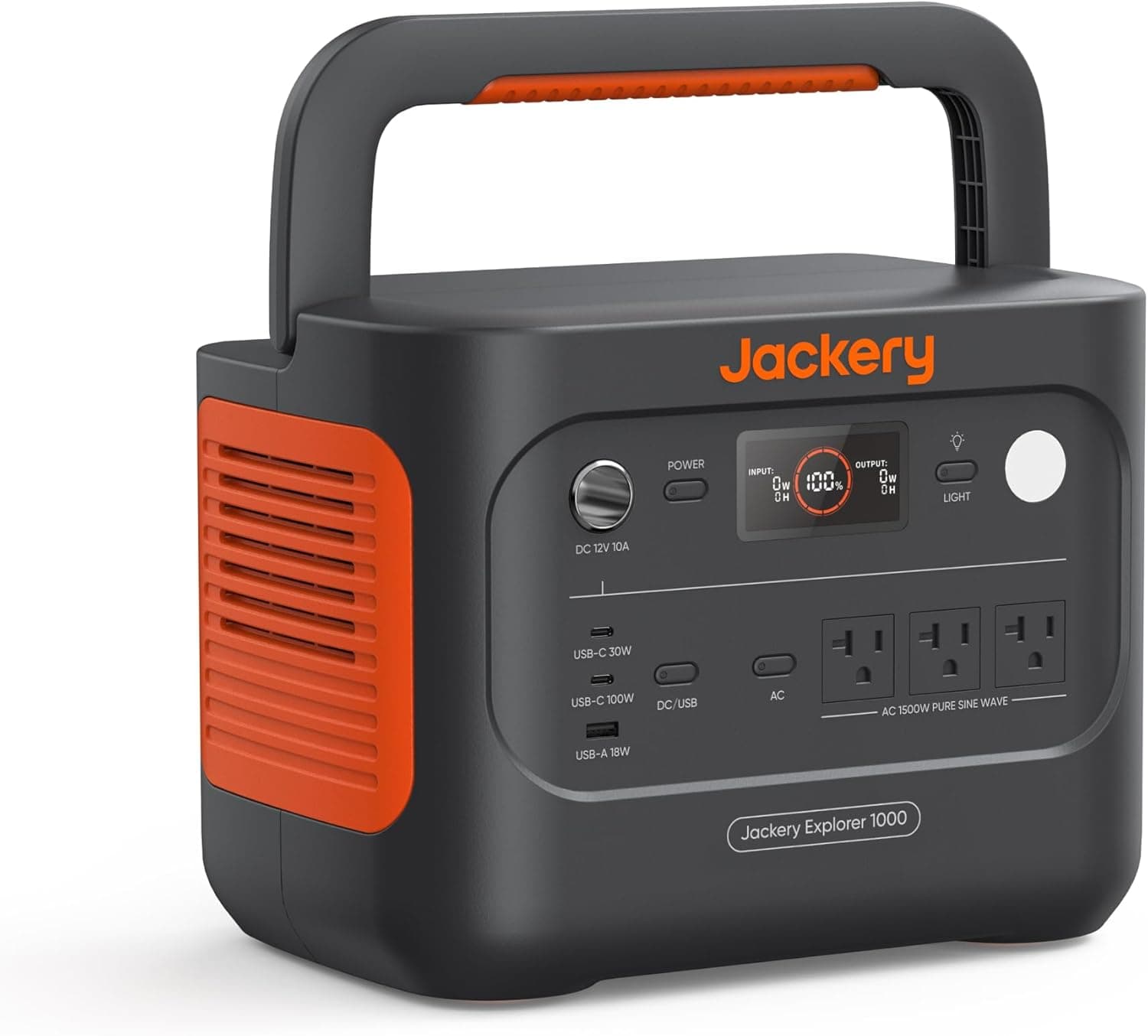
+ 1070Wh capacity runs fans, lights and a small fridge overnight
From our guide: Best Portable Power Stations
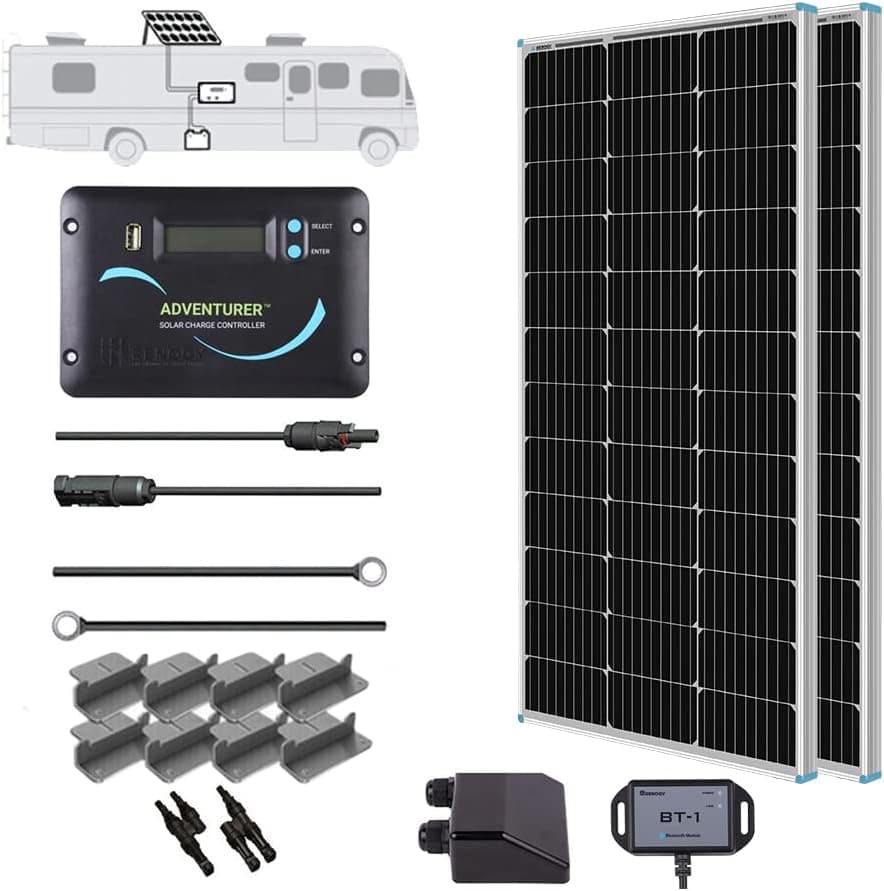
+ Adventurer controller is designed for flush wall mounting inside an RV
From our guide: Best RV Solar Panels
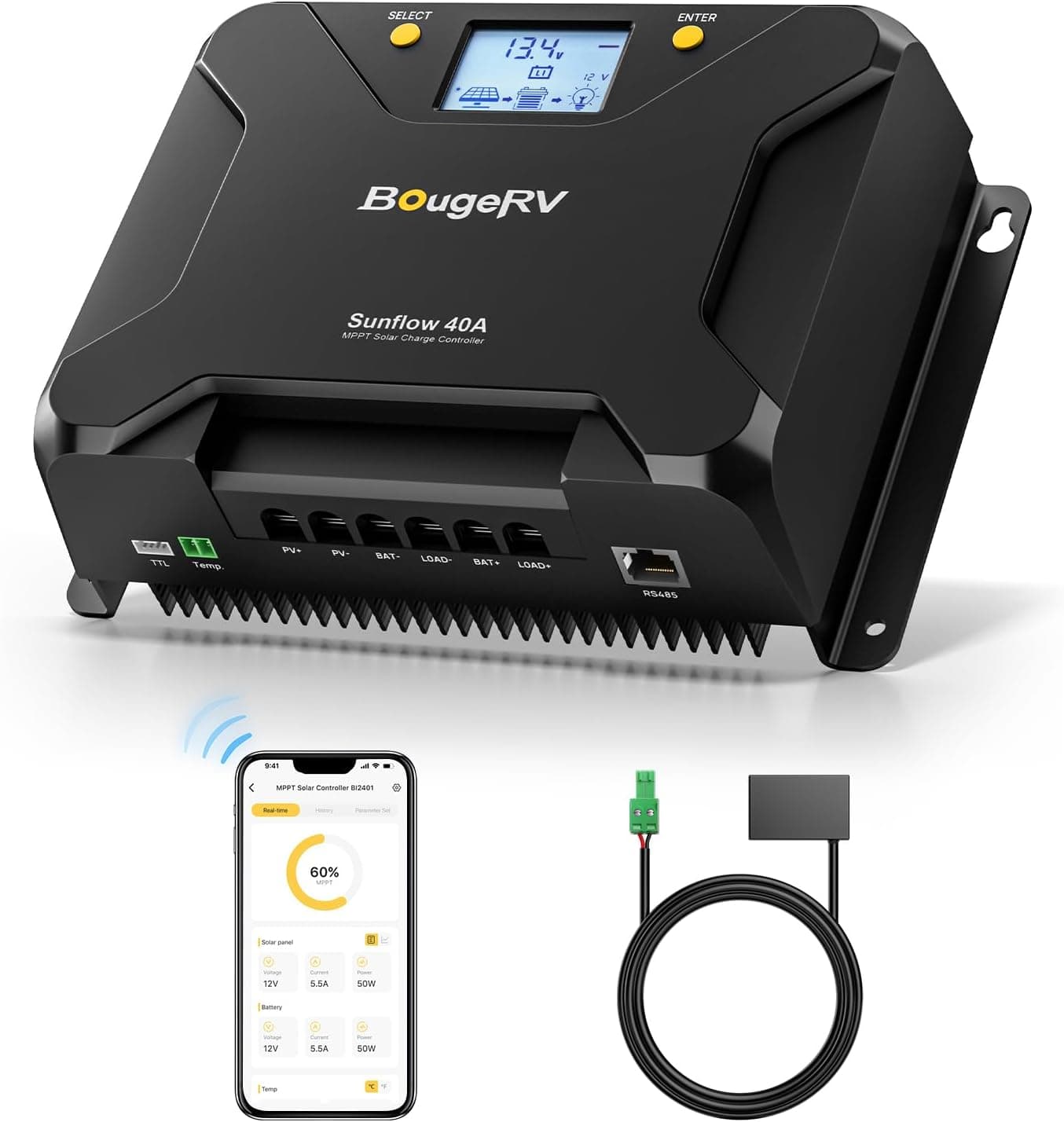
+ Bluetooth lets you check harvest and battery status from your phone
From our guide: Best RV Solar Charge Controllers
Begin by figuring out how much power you actually use in a day. Add up the watt hours of everything you run, from the water pump to the phone chargers to the vent fan that hums all night. Most weekend campers land somewhere modest, while full timers with a residential fridge need much more. Knowing this number keeps you from buying too little and stranding yourself, or overbuying gear that never earns its keep.
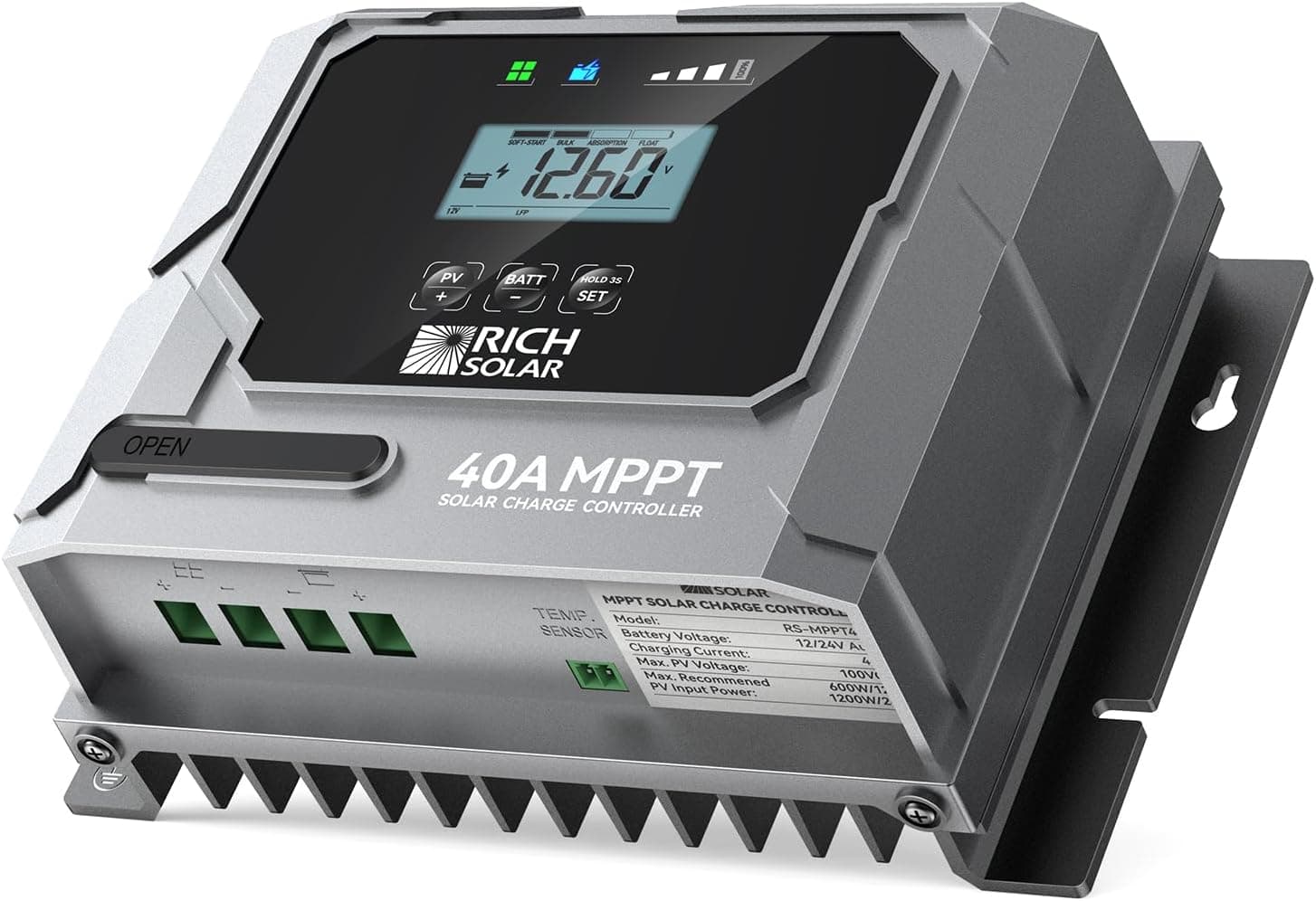
A complete system has four main parts. Panels collect sunlight, a charge controller regulates that energy so it does not cook your batteries, the battery bank stores it, and an inverter turns stored DC power into the AC power your outlets need. For the charge controller, an MPPT unit squeezes noticeably more out of your panels than a cheaper PWM model, especially in cool or partly cloudy weather, so it is usually worth the extra cost.
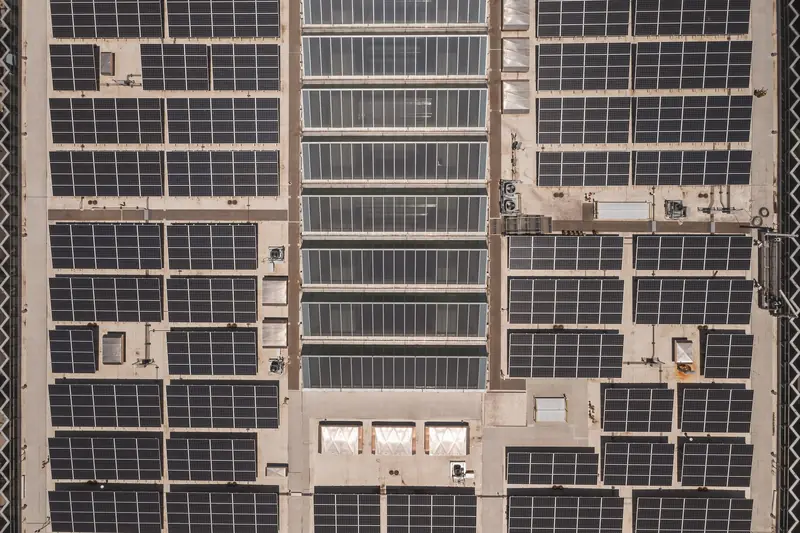
When it comes to panels, you can choose rooftop mounting for a clean set and forget setup, or portable suitcase panels you angle toward the sun while parking your rig in the shade. Many happy campers run both. Rooftop panels top off the batteries while you drive and relax, and a portable panel gives you a boost when tree cover blocks your roof. Angle and clean glass matter more than most folks realize.
Wiring is where care pays off. Use the correct gauge wire for your distances and current, protect every run with an appropriately sized fuse or breaker, and keep connections tight and weatherproof. Loose or undersized wiring wastes power and can create real heat. If you are not comfortable with the electrical side, this is a smart place to bring in a knowledgeable installer or an experienced RV friend.
Batteries deserve a mention because they shape everything. Lithium iron phosphate batteries cost more up front but let you use nearly their full capacity, last many years, and charge quickly, which pairs beautifully with solar. Flooded or AGM lead acid batteries are cheaper to buy and still serve plenty of casual campers well.
Start with a clear power budget, buy quality components sized a little generously, and test everything at home before your first trip. Once you feel that first stretch of days off grid with a full battery, you will wonder why you waited.
Popular right now
- How to Fix an RV Water Pump That Runs but Delivers No WaterArticle
- Best RV Slide-Out CoversBuying guide
- Best RV Power CordsBuying guide
- Best RV Backup CamerasBuying guide
- Best RV Solar PanelsBuying guide
- Best RV GPSBuying guide
Based on the last 28 days of search and visitor data.