RV Battery Guide
Published How we research
Your RV battery bank is the quiet heart of comfortable camping. It runs your lights, water pump, fridge control board, and fans when you are away from shore power. Understanding the basics helps you pick the right batteries, avoid draining them too far, and get many good years out of your investment.
Products from this article
The highest-scoring picks from the buying guides this article links to. Scores are our editorial assessment, not customer ratings.
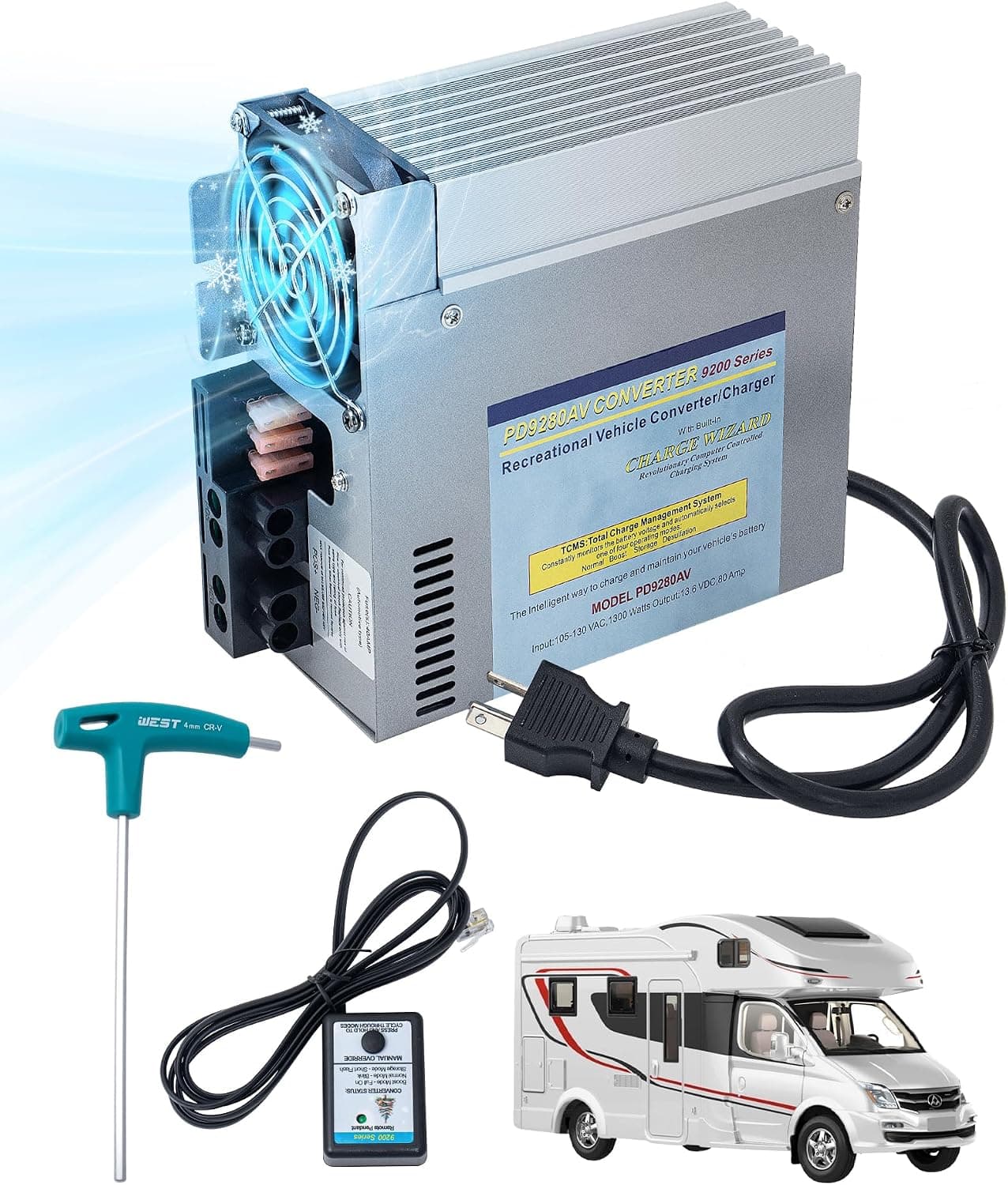
+ Charge Wizard automatically chooses the right charging mode
From our guide: Best RV Battery Chargers
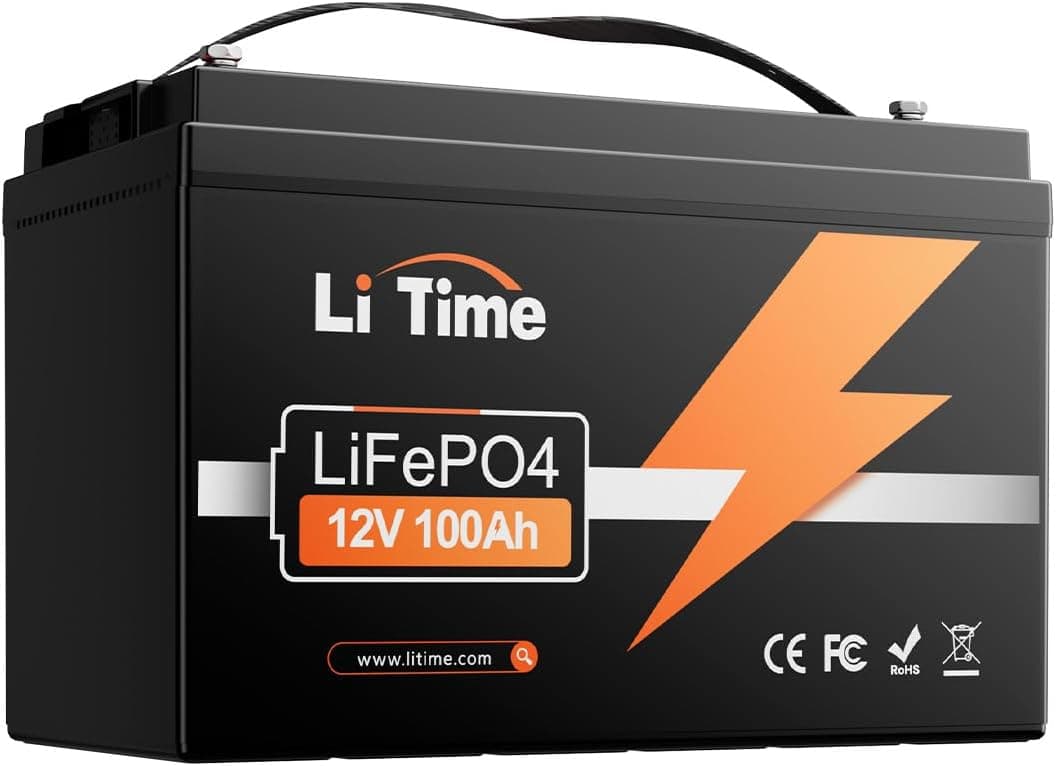
+ Group 31 size fits many existing RV battery boxes and trays
From our guide: Best RV Batteries
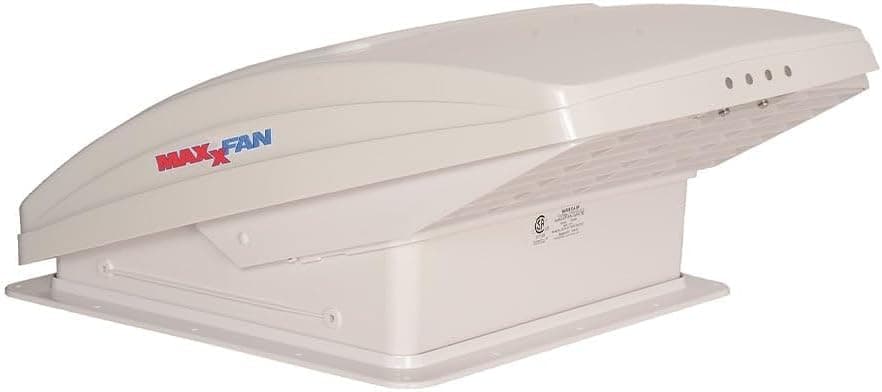
+ Built-in rain cover lets the fan run while driving or in storms
From our guide: Best RV Fans
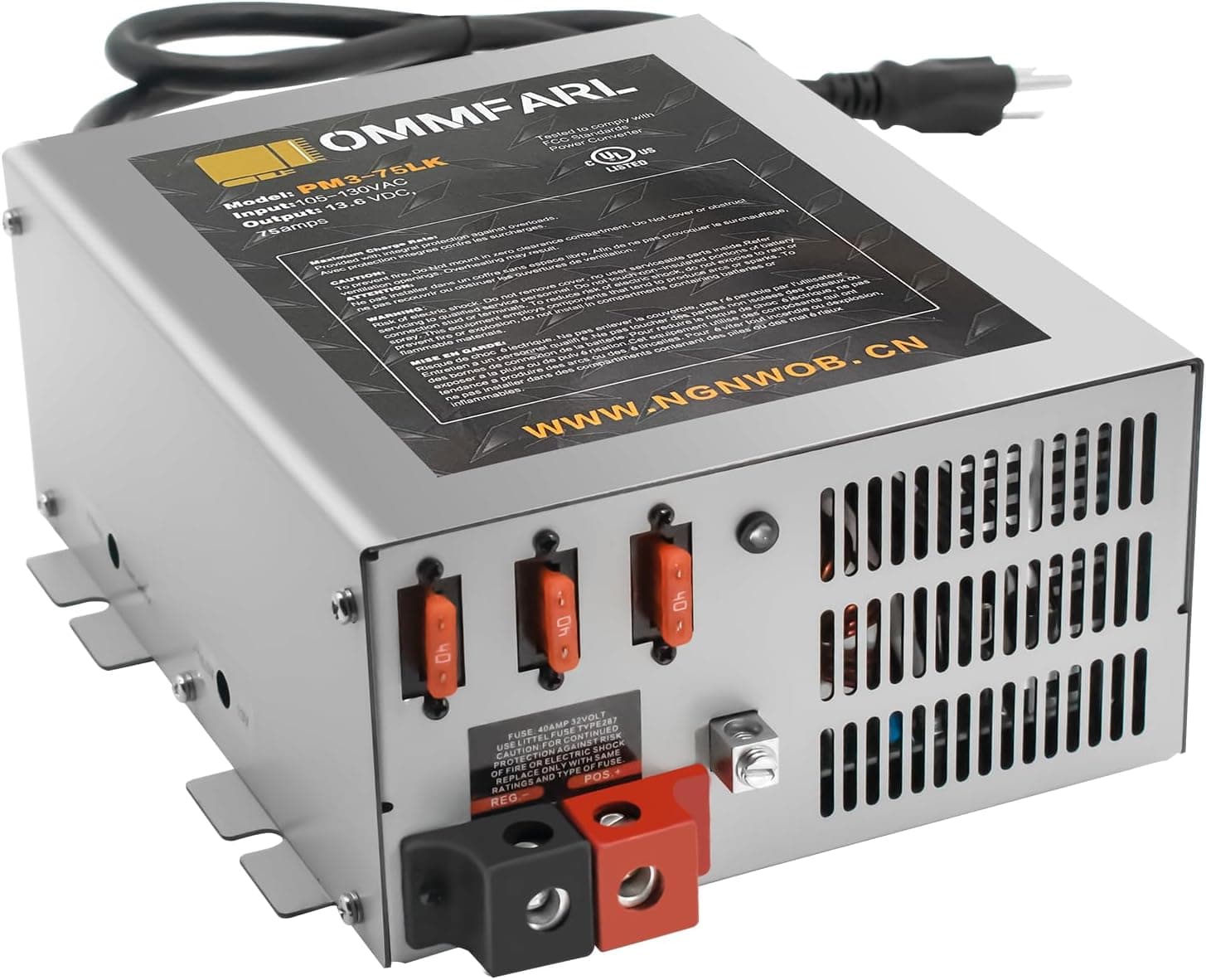
+ Adjustable 13-16.5V output can be tuned for lithium batteries
From our guide: Best RV Battery Chargers

Start by separating the two battery jobs on most rigs. The chassis battery starts your engine, just like in a car. The house bank powers your living space. When people talk about upgrading batteries for better camping, they almost always mean the house bank, and that is where your money makes the biggest difference in how you camp.
There are three common chemistries. Flooded lead acid batteries are the affordable classic, but they need ventilation, occasional water top offs, and you should only use about half their rated capacity to protect their life. AGM batteries are a sealed, maintenance free step up that handle vibration well and tolerate deeper use. Lithium iron phosphate batteries cost the most up front, yet they let you use nearly all their capacity, charge fast, last far longer, and weigh much less, which is why so many campers make the switch.
Sizing your bank comes down to your daily habits. Add up the amp hours your gear pulls in a typical day, then build in a cushion for cloudy weather or a lazy weekend with the fan running. Remember that with lead acid you effectively get half of the label number, while lithium gives you almost the whole figure. It is common for a lead acid user to feel cramped and a lithium user with the same rated capacity to feel free.
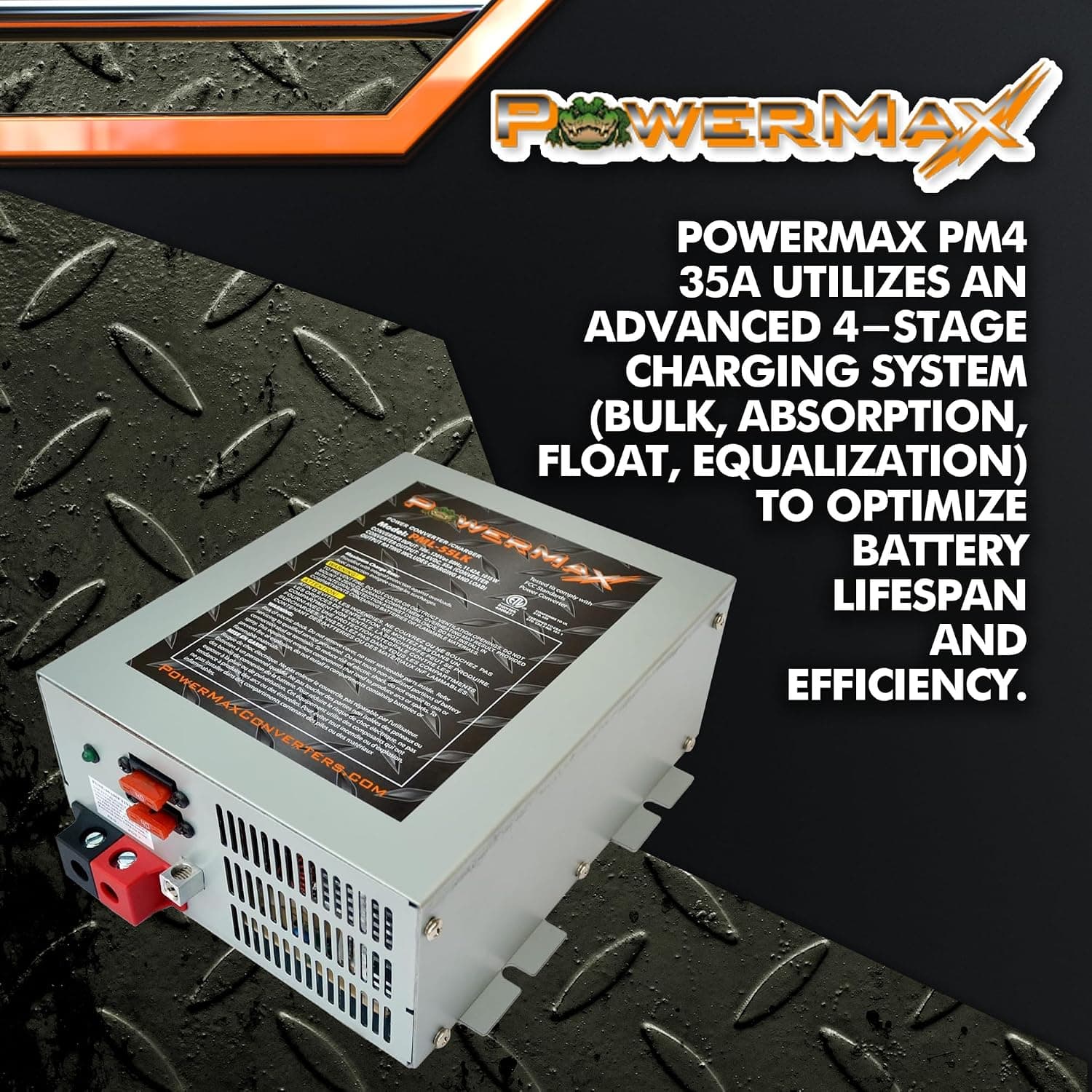
Charging matters as much as the batteries themselves. Your converter, solar charge controller, and any DC to DC charger should all be set for your specific chemistry, since lithium and lead acid want different voltages. Feeding lithium with a charger stuck in lead acid mode leaves capacity on the table, while an aggressive profile can shorten the life of lead acid cells. When in doubt, match the settings to the manufacturer guidance.
Good care habits stretch the years. Avoid deeply draining lead acid batteries, keep terminals clean and tight, and store the rig with batteries properly charged rather than sitting empty. Cold weather reduces available capacity for every chemistry, and lithium in particular should not be charged in freezing temperatures unless it has built in heating. A simple battery monitor that shows true state of charge takes the mystery out of all of this.
Whether you keep a budget friendly lead acid pair or invest in a lithium bank, the fundamentals are the same. Size it for your real usage, charge it correctly, and treat it gently. Do that, and your house bank will reward you with quiet, reliable power trip after trip.
Popular right now
- How to Fix an RV Water Pump That Runs but Delivers No WaterArticle
- Best RV Slide-Out CoversBuying guide
- Best RV Power CordsBuying guide
- Best RV Backup CamerasBuying guide
- Best RV Solar PanelsBuying guide
- Best RV GPSBuying guide
Based on the last 28 days of search and visitor data.