Upgrading Your RV to LED Lighting
Published How we research
Of all the upgrades you can make to an RV, swapping the lighting to LED gives you the most benefit for the least money and effort. The old incandescent and halogen bulbs that came in many rigs are power-hungry, run hot, and burn out often. LEDs fix all three problems at once, and for anyone who boondocks or relies on battery power, the energy savings alone make the change worthwhile within a single season.
Products from this article
The highest-scoring picks from the buying guides this article links to. Scores are our editorial assessment, not customer ratings.
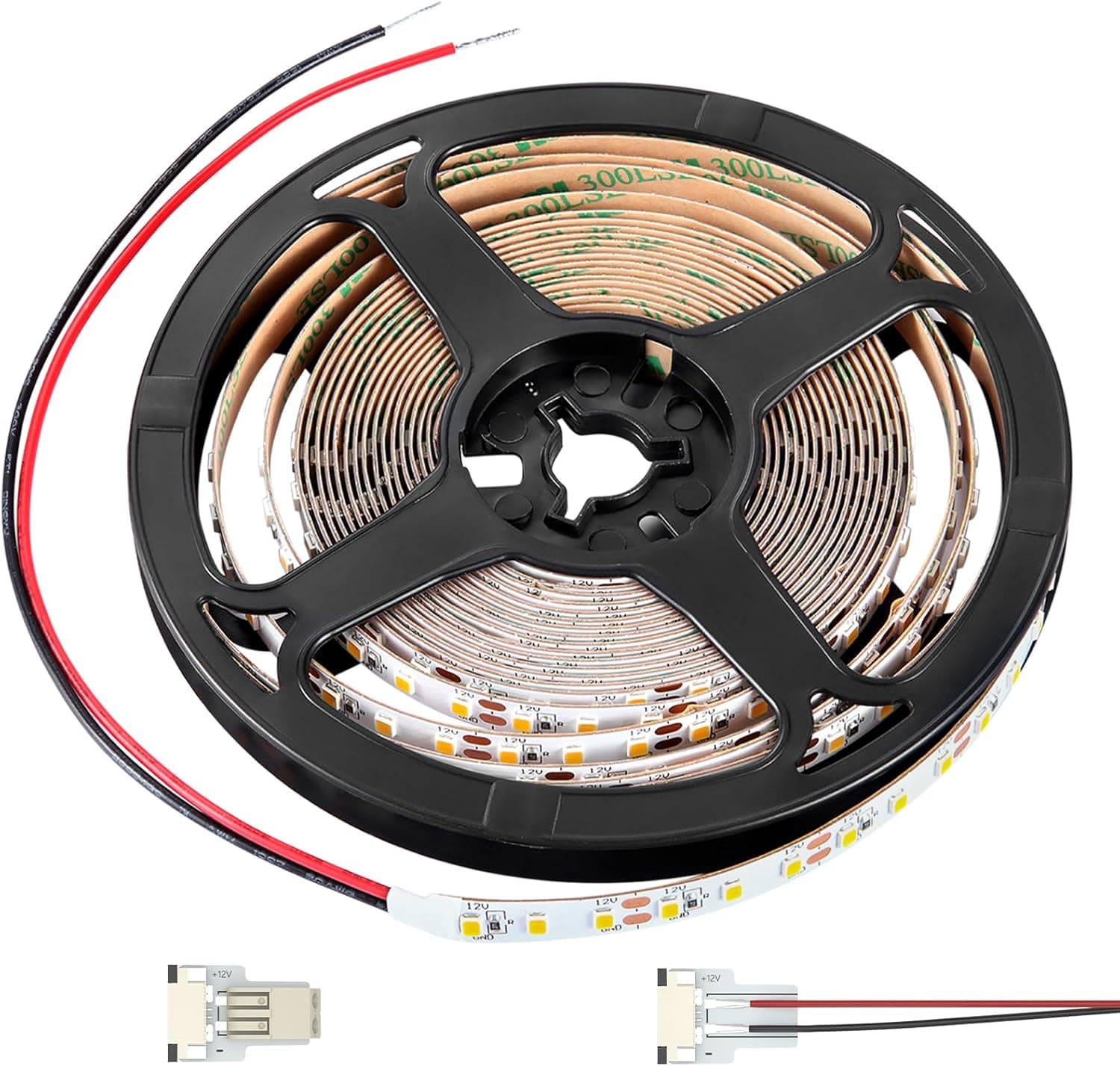
+ 16.4 ft length covers under-cabinet or awning lighting runs
From our guide: Best RV LED Lights
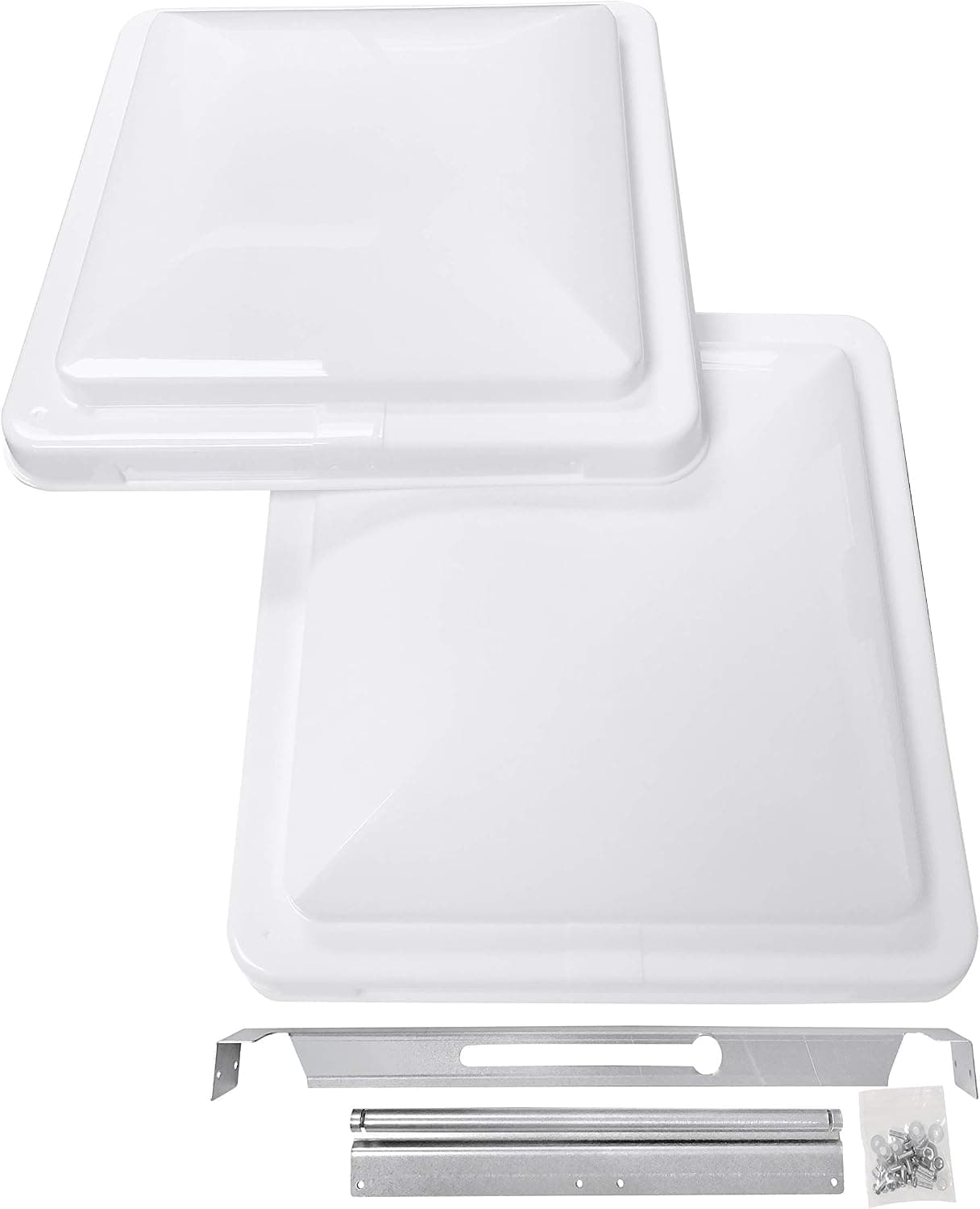
+ 2-Pack is a better deal than buying single lids for multiple vents
From our guide: Best RV Vent Covers
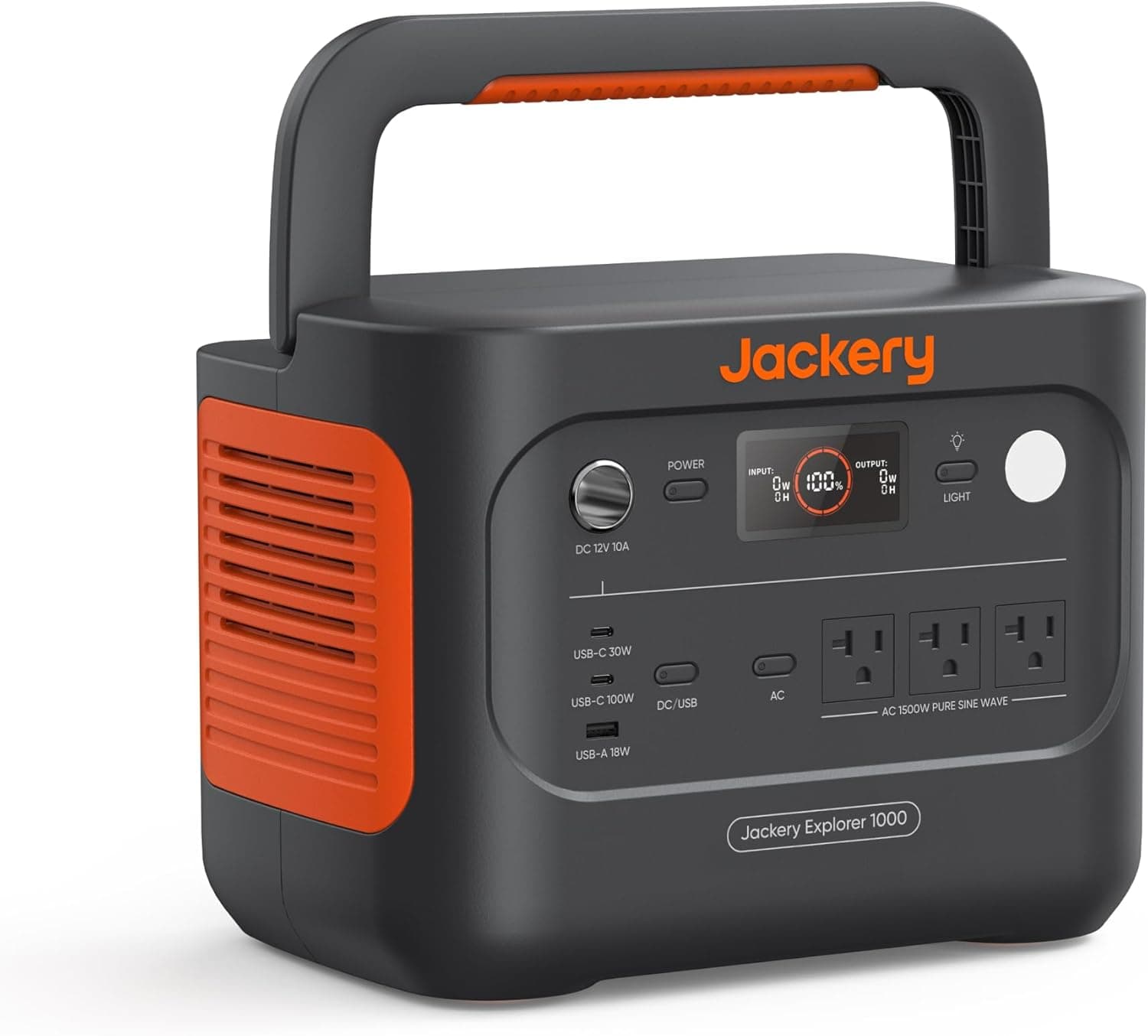
+ 1070Wh capacity runs fans, lights and a small fridge overnight
From our guide: Best Portable Power Stations
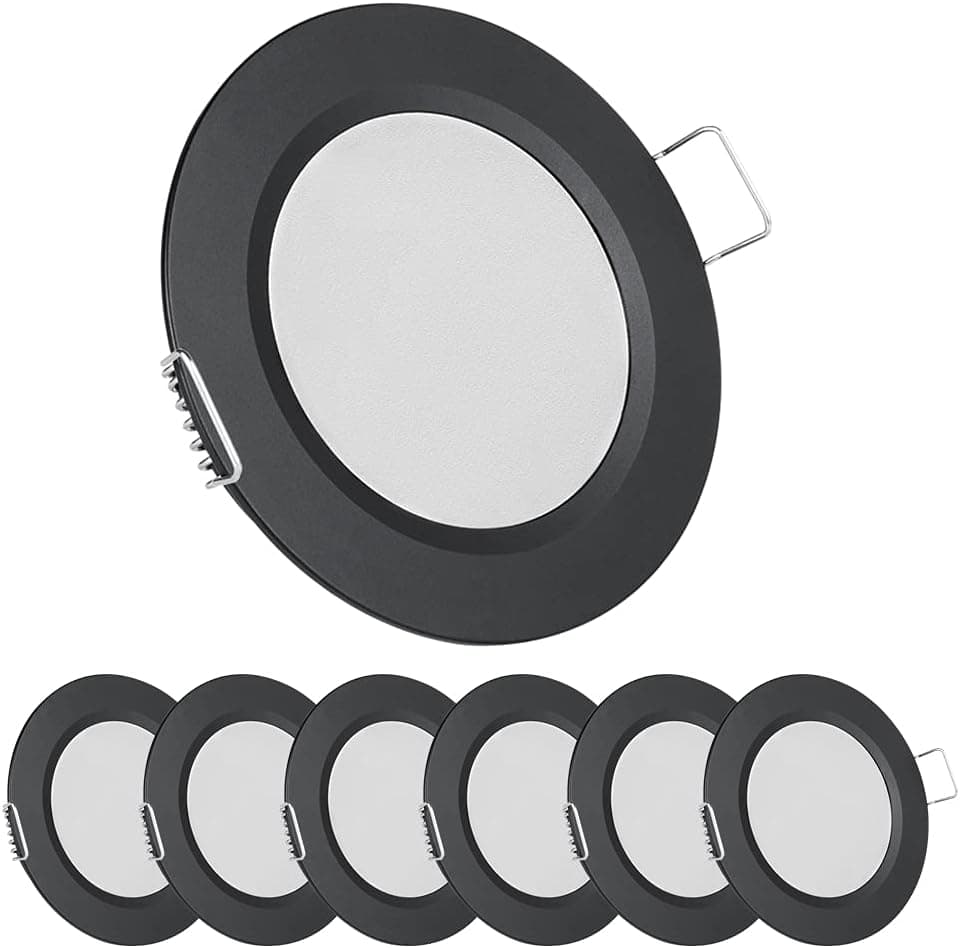
+ Ultra-thin design fits shallow RV ceilings and cabinets
From our guide: Best RV LED Lights
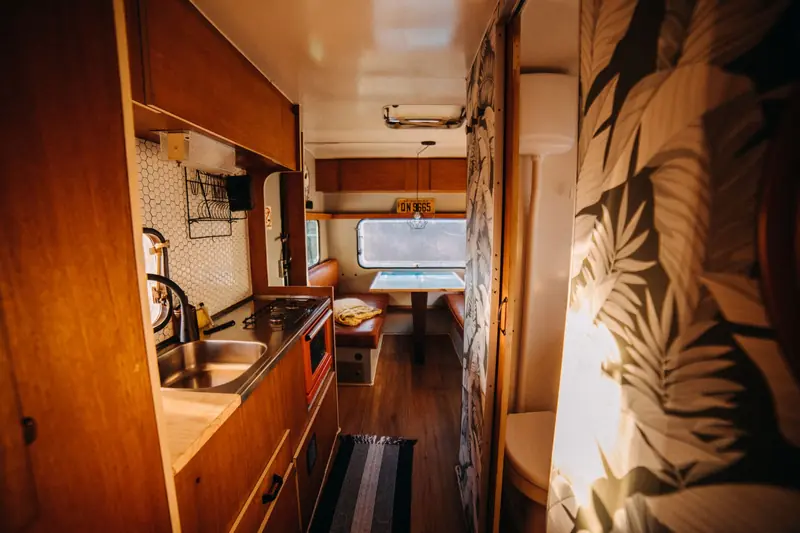
The power difference is dramatic and directly affects how long you can camp off-grid. A single incandescent 1141 bulb, common in RV ceiling fixtures, draws around 1.5 amps, while its LED equivalent draws roughly 0.2 amps for similar or better brightness. Multiply that across a dozen fixtures left on through an evening and you are looking at the difference between draining your battery and barely touching it. For a boondocker, replacing every bulb can cut lighting consumption by 80 to 90 percent, freeing that battery capacity for the fridge, fans, and charging your devices.
Heat and longevity are the quieter benefits. Incandescent and halogen bulbs turn most of their energy into heat, which is unpleasant in summer and, in enclosed fixtures, can discolor lenses and even pose a burn risk. LEDs stay cool to the touch. They also last for many thousands of hours rather than the short life of a filament bulb, so once you convert, you can more or less forget about replacing bulbs for years, which matters when a fixture is awkward to reach.
Knowing your bulb types makes shopping straightforward. Most RV interior fixtures use one of a few standards: the wedge-base 921 and 1141 or the bayonet-base 1156, plus the small festoon bulbs found in some overhead and reading lights. Take an old bulb to compare, or look up your fixture, and buy the matching LED replacement. Many are sold as direct plug-in swaps that need no wiring at all. For fixtures with a fully integrated old lamp, you can buy LED panels or replace the whole fixture, but the simple bulb swap covers the majority of rigs.
Color temperature is the detail people overlook and later regret. LED bulbs come in cool white, which looks bright and bluish around 5000 to 6500 Kelvin, and warm white, which looks cozy and yellowish around 2700 to 3000 Kelvin. Cool white can feel harsh and clinical in a living space, while warm white mimics the pleasant glow of the incandescent bulbs you are replacing. Many owners mix them, using warm white in the living and sleeping areas and brighter cool white over the galley counter and bathroom mirror where task lighting helps.
Installation is genuinely a job for anyone. Turn off the light, let it cool, gently pop or unscrew the lens cover, pull the old bulb, and press in the LED, taking care to match polarity on the wedge-base types since some only light in one orientation. If a new bulb does not light, simply flip it around. Reattach the lens and move on. In an afternoon you can convert an entire rig for modest cost, and the result is a brighter, cooler interior that sips power instead of gulping it, making it one of the smartest first upgrades any RV owner can make.
Popular right now
- How to Fix an RV Water Pump That Runs but Delivers No WaterArticle
- Best RV Slide-Out CoversBuying guide
- Best RV Power CordsBuying guide
- Best RV Backup CamerasBuying guide
- Best RV Solar PanelsBuying guide
- Best RV GPSBuying guide
Based on the last 28 days of search and visitor data.