RV Towing Safety Basics Every New Owner Should Master
Published How we research
Towing a travel trailer or fifth wheel is a skill, and the consequences of getting it wrong are serious. The good news is that safe towing comes down to a handful of fundamentals you can learn quickly and then practice until they are automatic. Weight, connection, tires, and driving habits are the pillars, and respecting each one keeps you and everyone around you safe on the road.
Products from this article
The highest-scoring picks from the buying guides this article links to. Scores are our editorial assessment, not customer ratings.
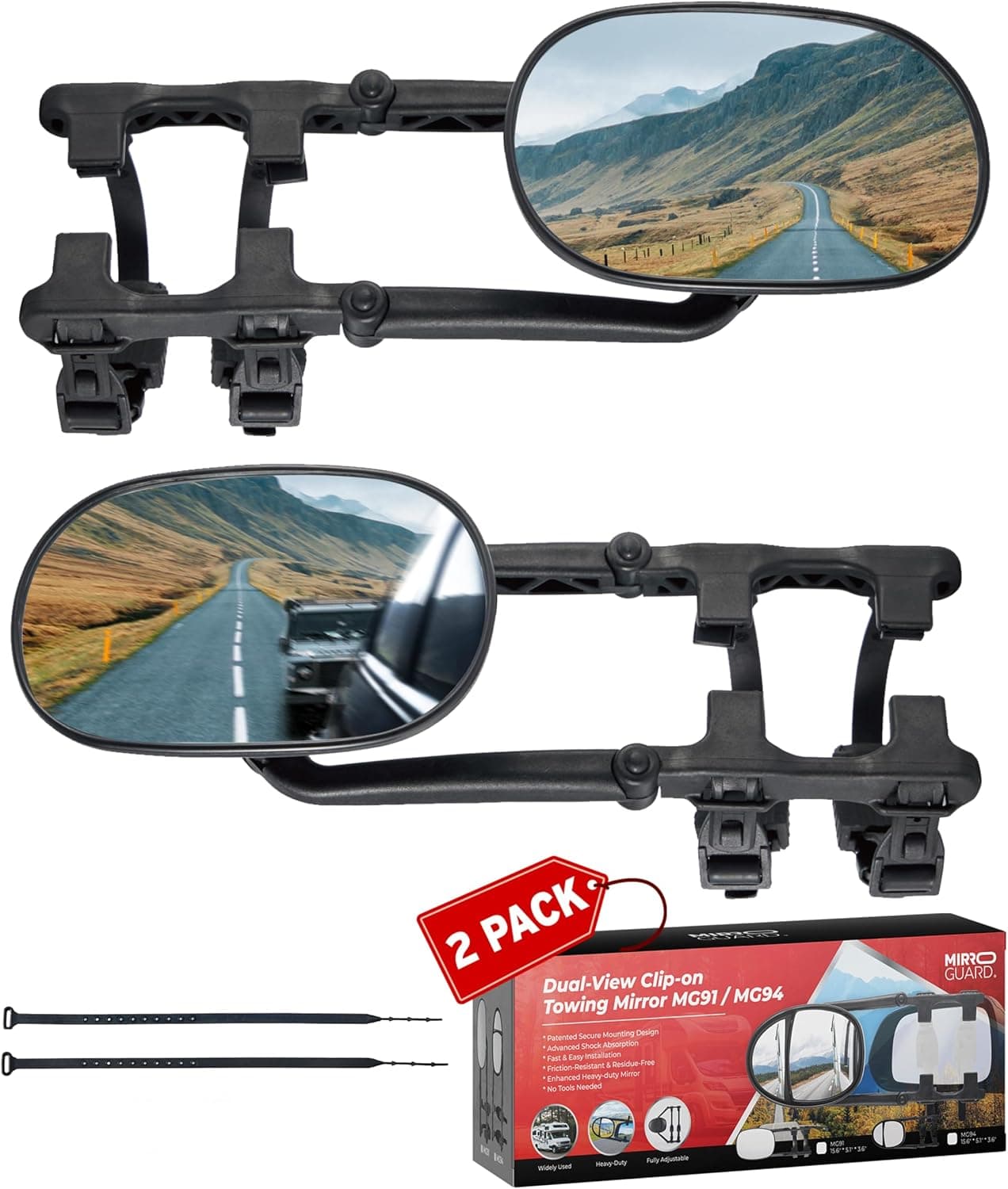
+ Named brand and model number make replacement parts easier to track
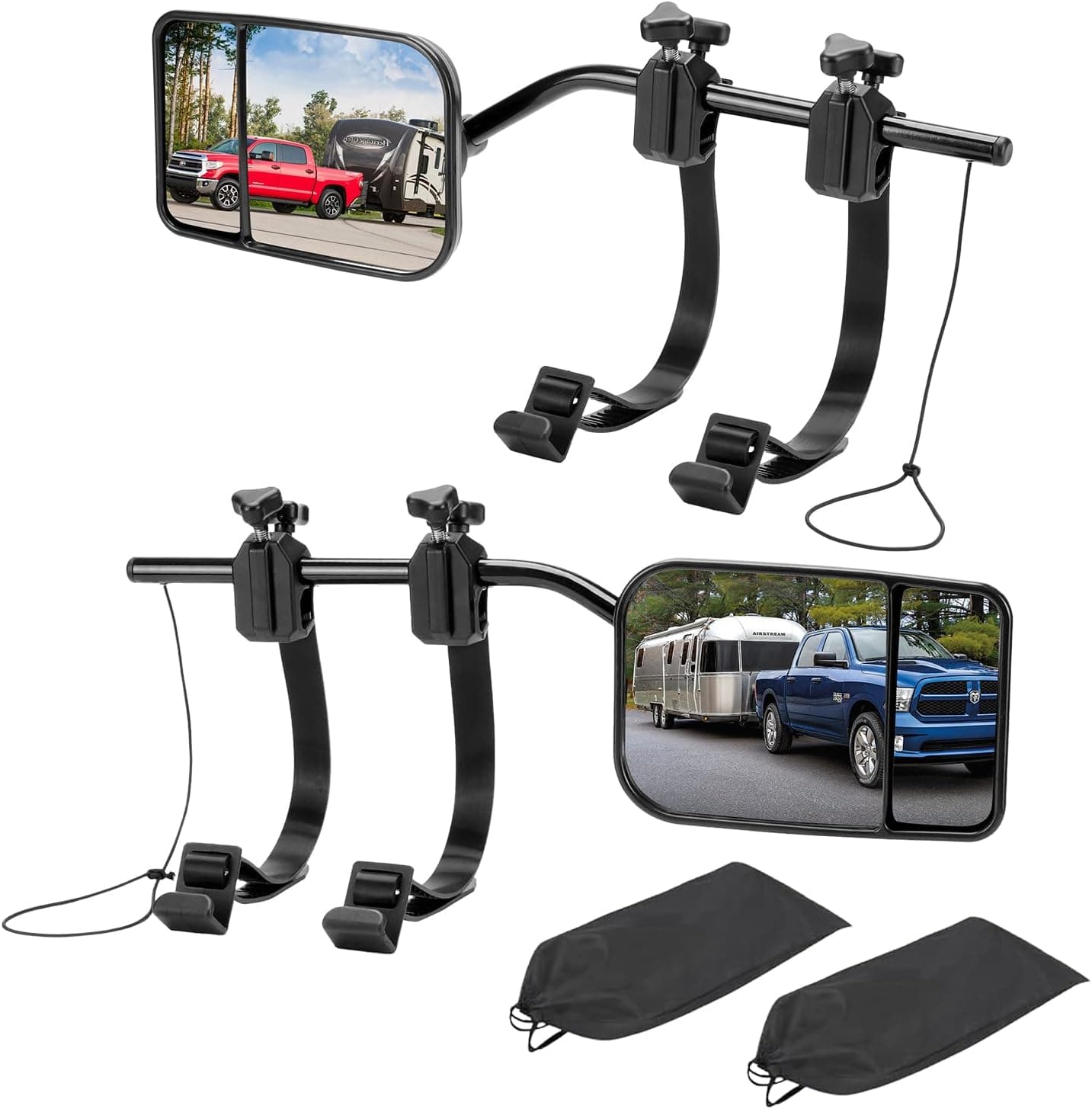
From our guide: Best RV Tow Mirrors
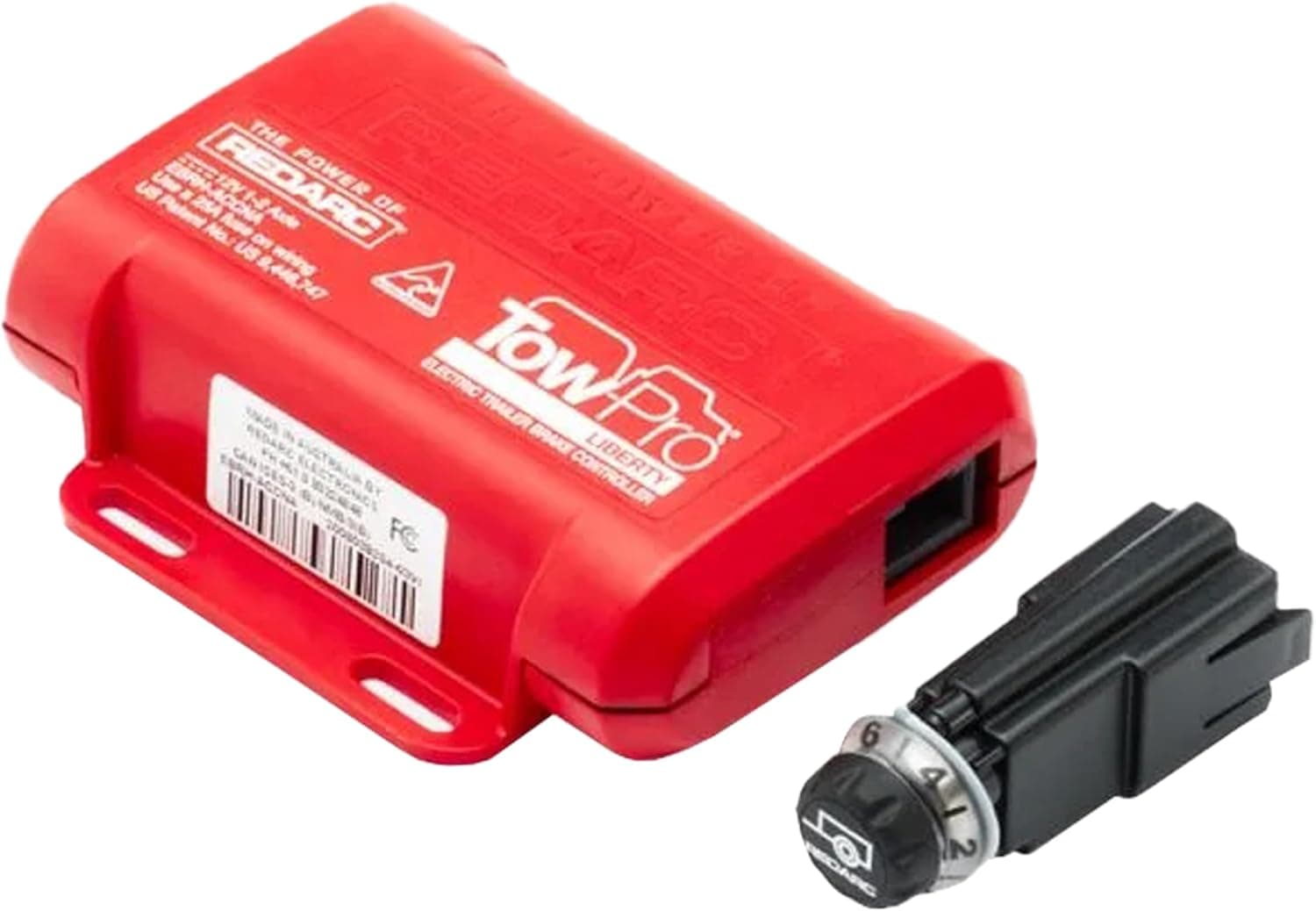
+ Proportional braking gives smooth, natural trailer stops
From our guide: Best RV Brake Controllers
+ Fiberglass-free build avoids a common worry with cheap foam mattresses
From our guide: Best RV Mattresses
+ Clip on design attaches without tools or permanent vehicle changes
From our guide: Best RV Tow Mirrors


Weight ratings are where safe towing begins, and ignoring them is dangerous. Your tow vehicle has a maximum towing capacity and a gross combined weight rating, and your trailer has a gross vehicle weight rating that includes everything you load into it. Tongue weight, the downward force the trailer puts on the hitch, should be roughly 10 to 15 percent of the loaded trailer weight for a bumper-pull trailer. Too little tongue weight causes dangerous sway, too much overloads the rear axle. The only way to know your real numbers is to visit a public scale with the rig loaded as you actually travel.
Hitching correctly every single time prevents catastrophe. Follow a consistent checklist: the ball is the right size and fully seated, the coupler is latched and locked, the safety chains are crossed under the tongue to cradle it if it drops, and the breakaway cable is attached to the vehicle, not the hitch. Connect and test the trailer's lights and electric brakes before every trip. A weight-distributing hitch with sway control is strongly recommended for larger trailers, because it spreads the load across all axles and keeps steering and braking predictable.
Tires cause a large share of towing failures, and they fail from neglect. Check pressure on both the trailer and tow vehicle when cold, before every trip, and inflate to the number on the tire sidewall or the trailer's placard, not by how they look. Trailer tires age out before they wear out, so replace them around five to seven years regardless of tread depth, because a blowout at highway speed can wreck a fender and pull the rig off line. Carry a properly inflated spare and the tools to change it, and know your rig's real weight so you never exceed the tires' load rating.
Driving a rig demands more space and more patience than driving alone. Everything takes longer: braking distance grows, so leave a much larger following gap, and start slowing far earlier than instinct suggests. Take corners wider because the trailer tracks inside your vehicle's path, and check your mirrors constantly. On downgrades, shift to a lower gear and let engine braking do the work rather than riding the brakes until they fade. Set your electric brake controller so the trailer brakes engage smoothly with the vehicle, doing its share of the stopping.
Sway is the emergency every tower fears, and knowing the response matters. If the trailer begins to fishtail, do not slam the brakes and do not steer to correct the swing, which usually makes it worse. Instead, ease off the accelerator, keep the steering wheel straight, and gently apply the trailer brakes alone using the manual lever on your brake controller, which pulls the trailer back into line. Better still, prevent sway before it starts with proper tongue weight, a sway-control hitch, careful loading with heavy items low and forward of the axles, and moderate speeds in wind. Master these basics and towing becomes calm, predictable, and genuinely safe.
Popular right now
- How to Fix an RV Water Pump That Runs but Delivers No WaterArticle
- Best RV Slide-Out CoversBuying guide
- Best RV Power CordsBuying guide
- Best RV Backup CamerasBuying guide
- Best RV Solar PanelsBuying guide
- Best RV GPSBuying guide
Based on the last 28 days of search and visitor data.