RV Power Management
Published How we research
Nothing dims the mood of a good trip like a tripped breaker in the middle of cooking dinner or a dead battery on a cold morning. RV power management is simply the art of understanding what your rig can supply and matching your usage to it. Learn a few key ideas and you will run your appliances smoothly without constantly resetting breakers.
Products from this article
The highest-scoring picks from the buying guides this article links to. Scores are our editorial assessment, not customer ratings.
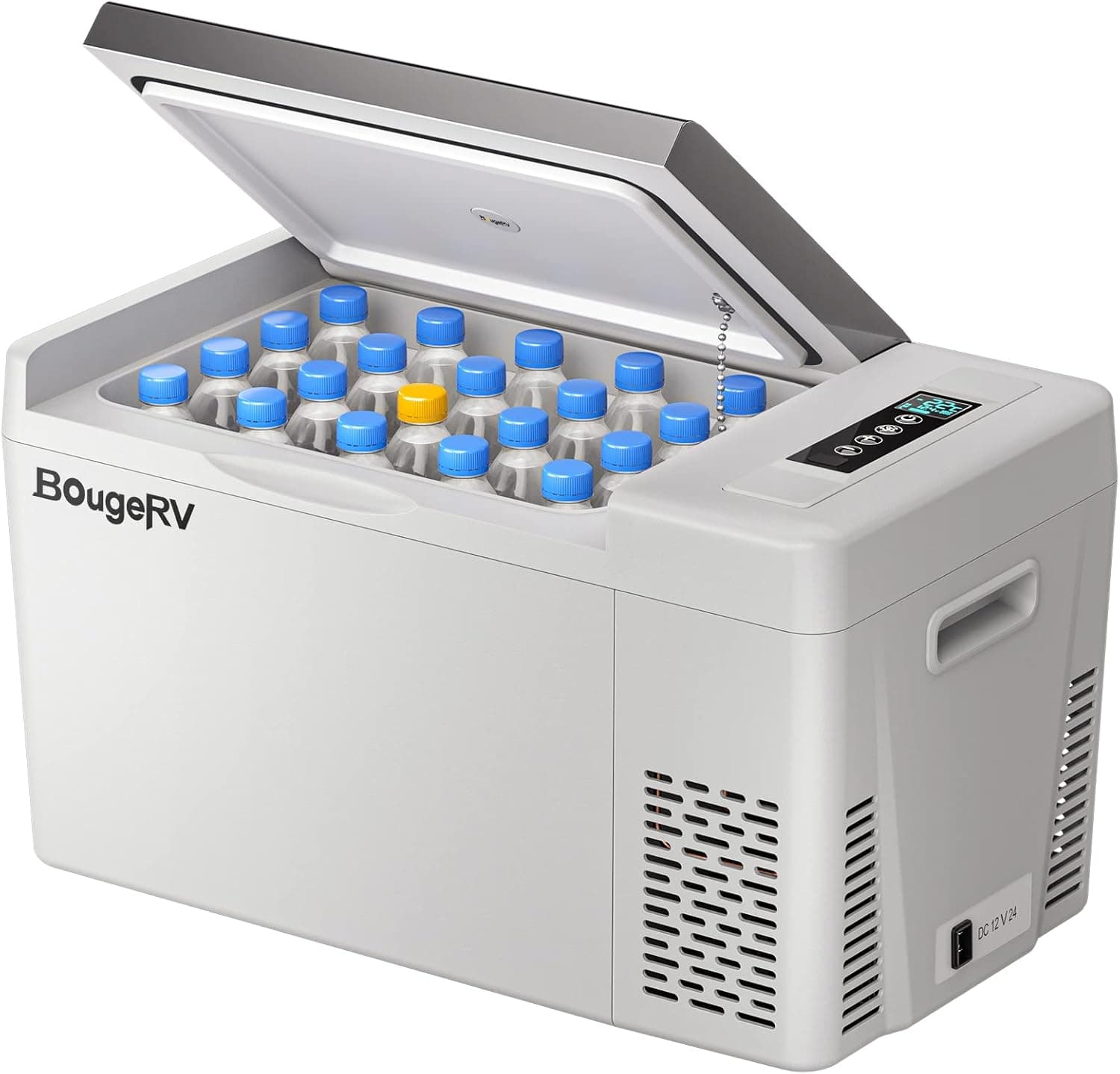
+ Wide -4-68F range works as deep freezer or drink fridge
From our guide: Best RV Portable Fridges
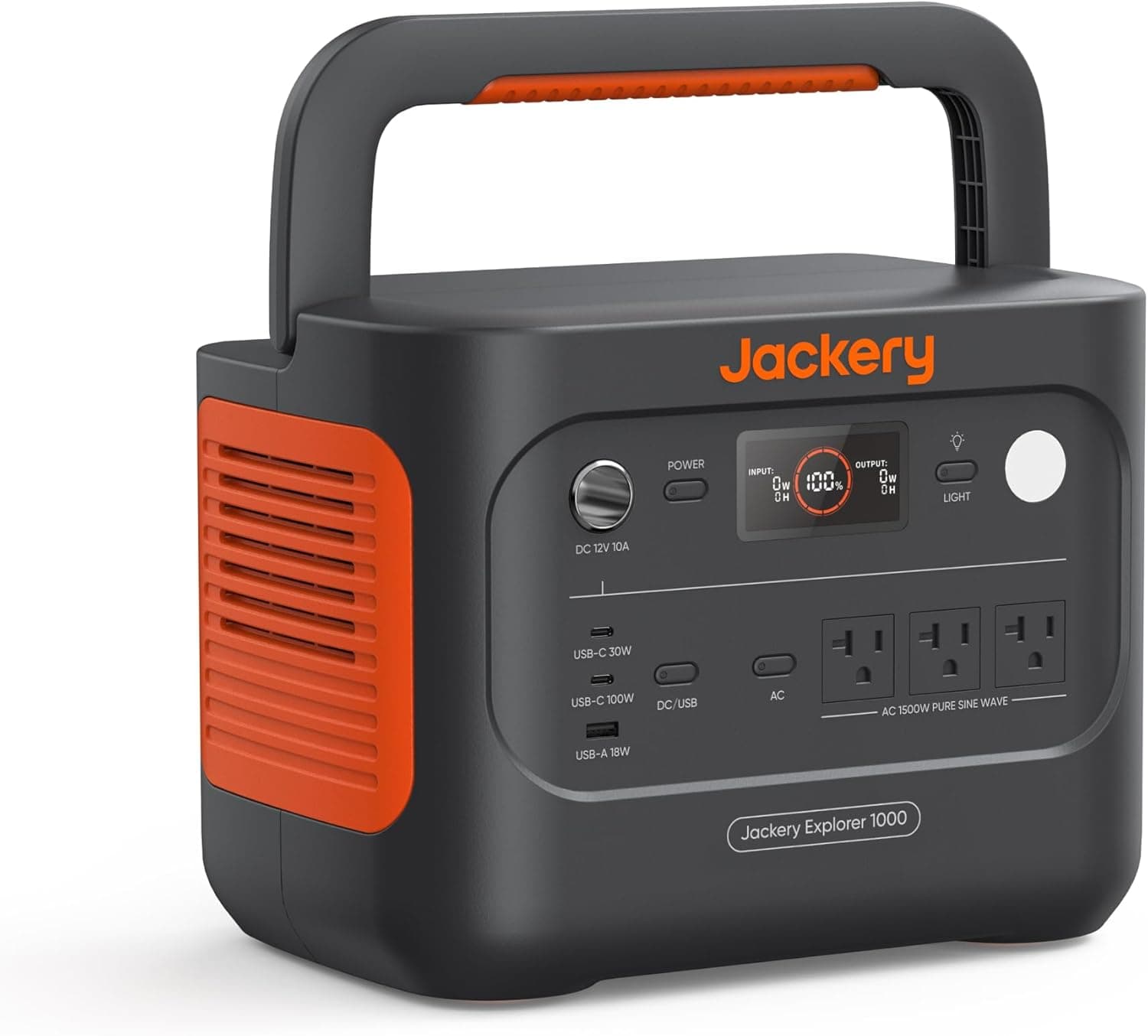
+ 1070Wh capacity runs fans, lights and a small fridge overnight
From our guide: Best Portable Power Stations
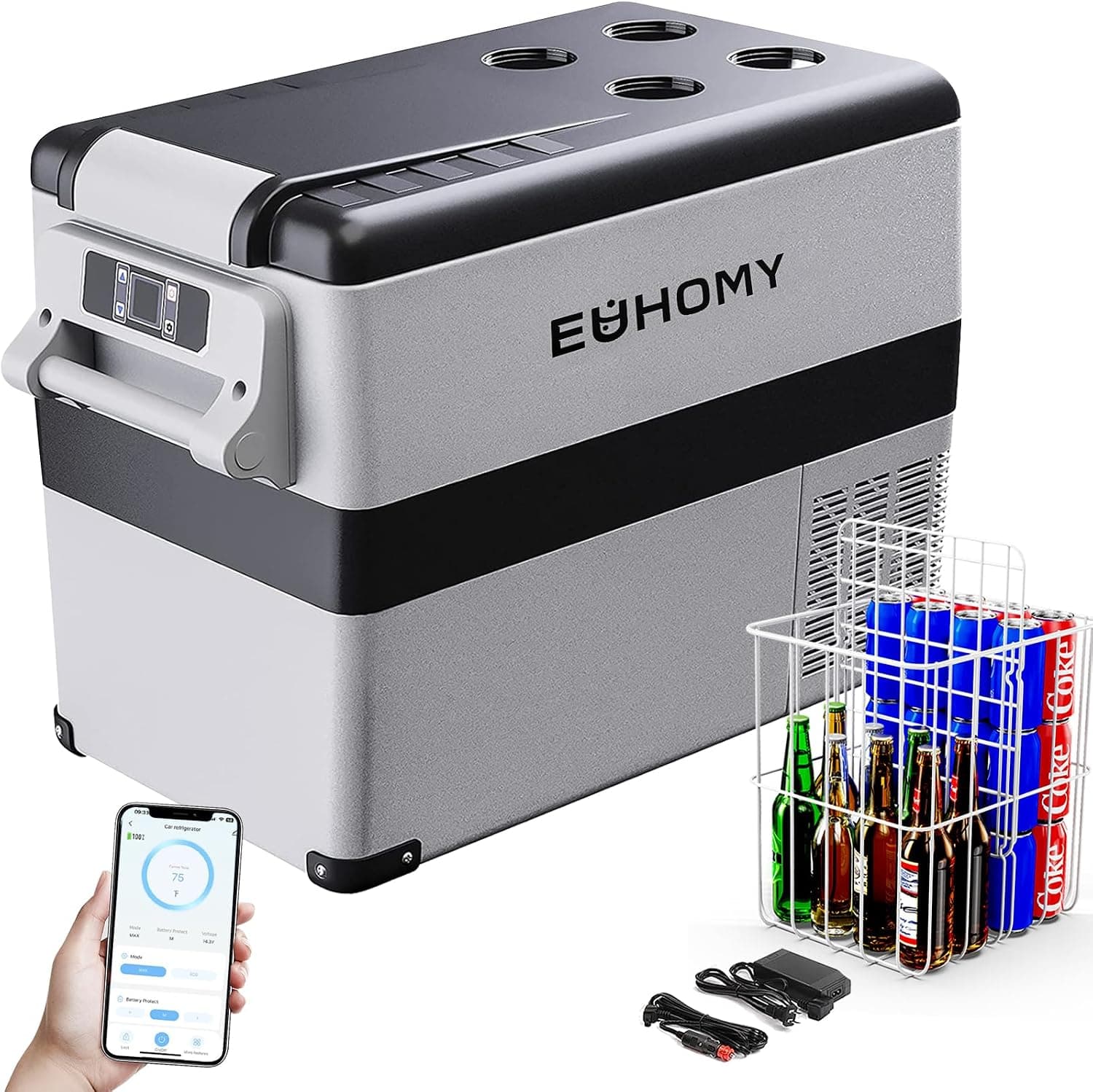
+ Compressor cooling works as a real fridge or freezer, unlike iceboxes
From our guide: Best RV Portable Fridges
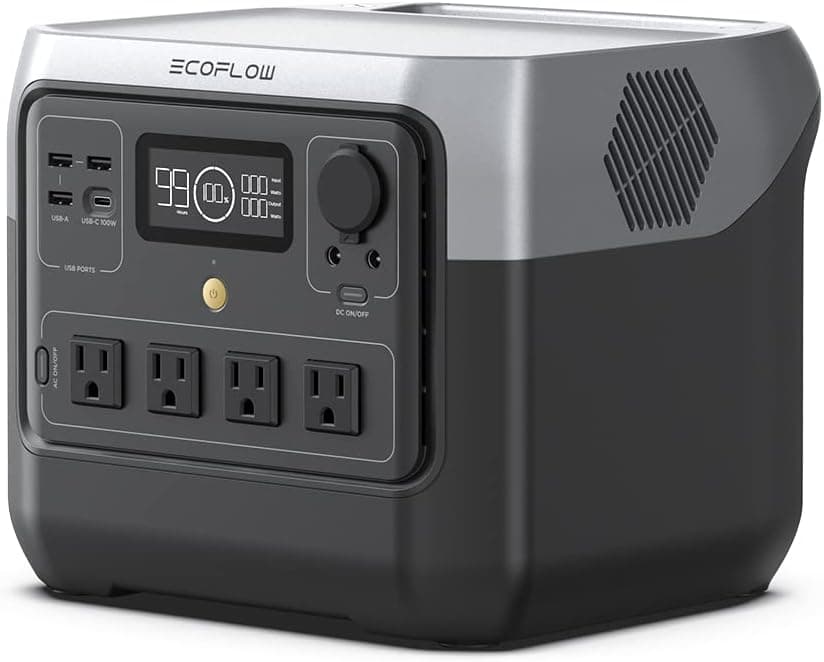
+ 768Wh capacity is the largest of the RIVER 2 lineup
From our guide: Best Portable Power Stations
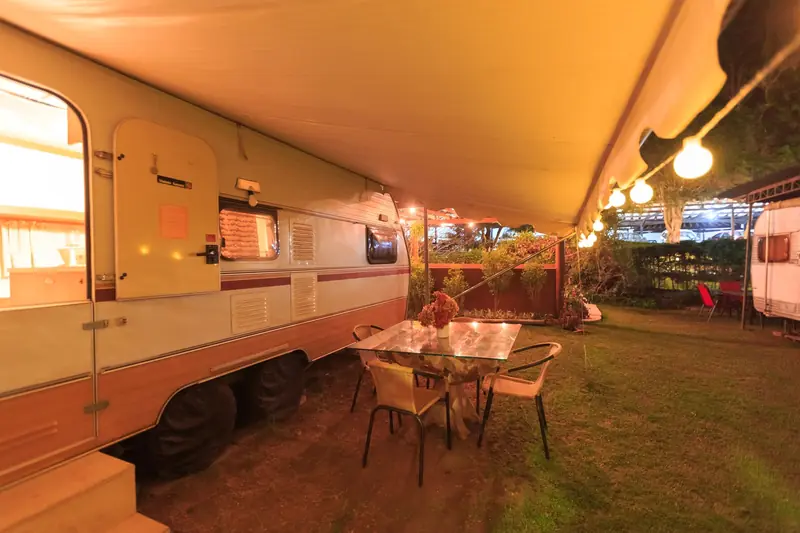
Start with your two power worlds. When you plug into a campground pedestal you are on shore power, usually rated at 30 or 50 amps, which runs your outlets and larger appliances through your converter and also charges your batteries. When you unplug, you rely on your battery bank and inverter for 12 volt and household style power. Knowing which world you are in tells you how careful you need to be.
Amperage is the number that trips people up. A 30 amp rig has a real ceiling on how much you can run at once, and a single air conditioner plus a microwave plus a hair dryer can easily exceed it. The trick is to stagger big loads. Run the microwave, then start the coffee, rather than firing everything at the same moment. Thinking in terms of a power budget prevents most breaker trips.
Know which appliances are the heavy hitters. Air conditioners, electric water heaters, microwaves, hair dryers, space heaters, and toasters draw a lot of current. Lights, fans, the water pump, and device chargers sip by comparison. When you know the difference, you naturally avoid stacking two hungry appliances at once, and you learn to switch the water heater to propane to free up electrical headroom.
When you are off grid, your battery bank and inverter set the limits. An inverter turns battery power into the AC electricity your outlets need, but it drains the batteries quickly under a big load, so running an air conditioner off batteries alone is usually impractical without a large lithium system. Reserve the inverter for lighter tasks, charge devices while your solar is producing, and keep an eye on your battery monitor.
Generators fill the gap when the sun hides or you need to run something power hungry. Size the generator to your needs, run it during allowed hours out of courtesy to neighbors, and keep it well maintained and properly ventilated, since exhaust is dangerous. A good surge protector or energy management system at the pedestal adds a layer of safety and can even shed loads automatically to prevent trips.
Put it all together and power management becomes second nature. Know your amperage limit, stagger your big appliances, understand which world you are drawing from, and watch your battery state of charge. Do that and you will spend your evenings enjoying the campfire instead of crouched at the breaker panel wondering what went dark.
Popular right now
- How to Fix an RV Water Pump That Runs but Delivers No WaterArticle
- Best RV Slide-Out CoversBuying guide
- Best RV Power CordsBuying guide
- Best RV Backup CamerasBuying guide
- Best RV Solar PanelsBuying guide
- Best RV GPSBuying guide
Based on the last 28 days of search and visitor data.