RV Internet and Connectivity
Published How we research
Reliable internet has become one of the most requested features of modern RV life. Whether you work remotely, stream in the evenings, or simply want to check weather and directions, staying connected shapes where you can comfortably travel. There is no single perfect solution, so most experienced RVers build a layered strategy that keeps them online in far more places.
Products from this article
The highest-scoring picks from the buying guides this article links to. Scores are our editorial assessment, not customer ratings.
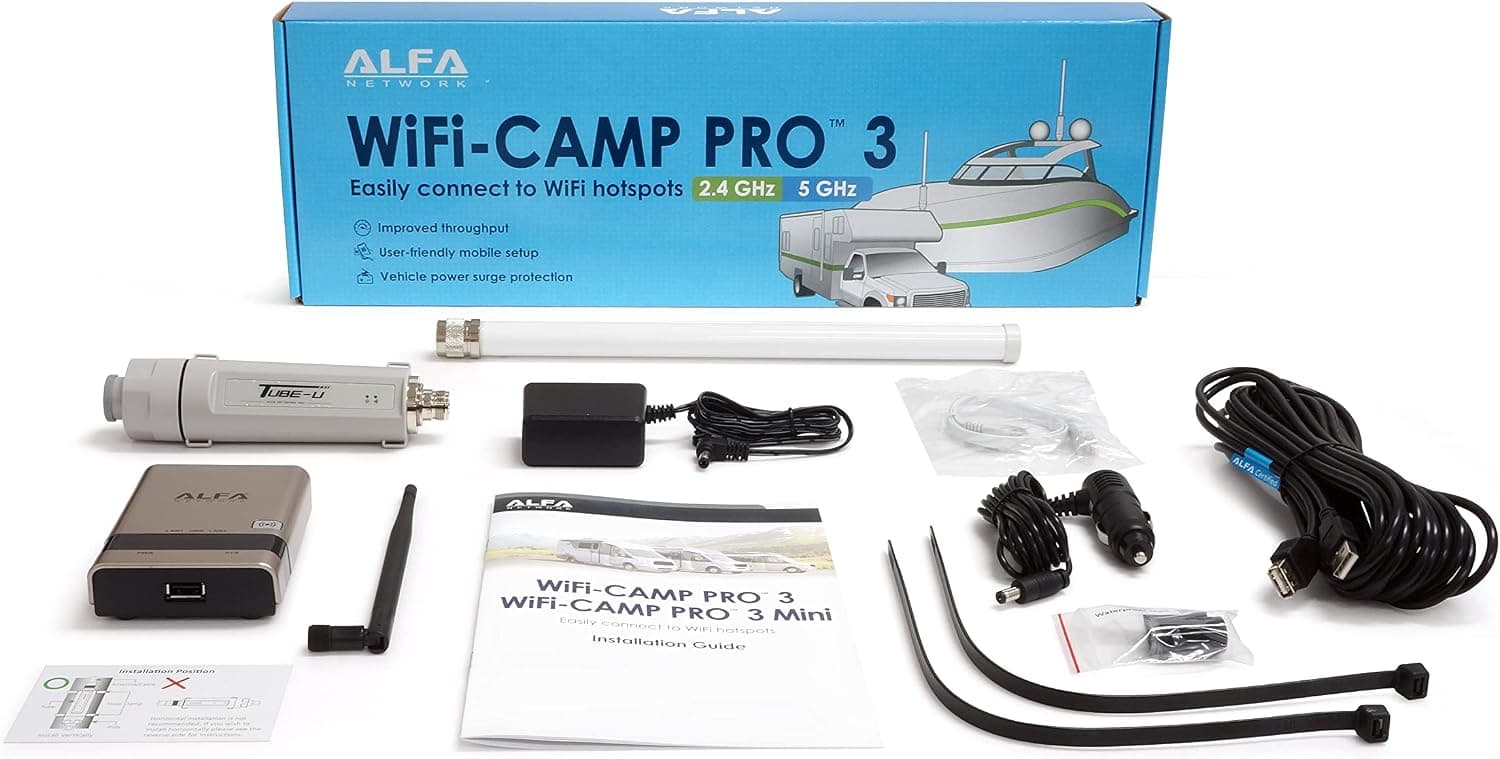
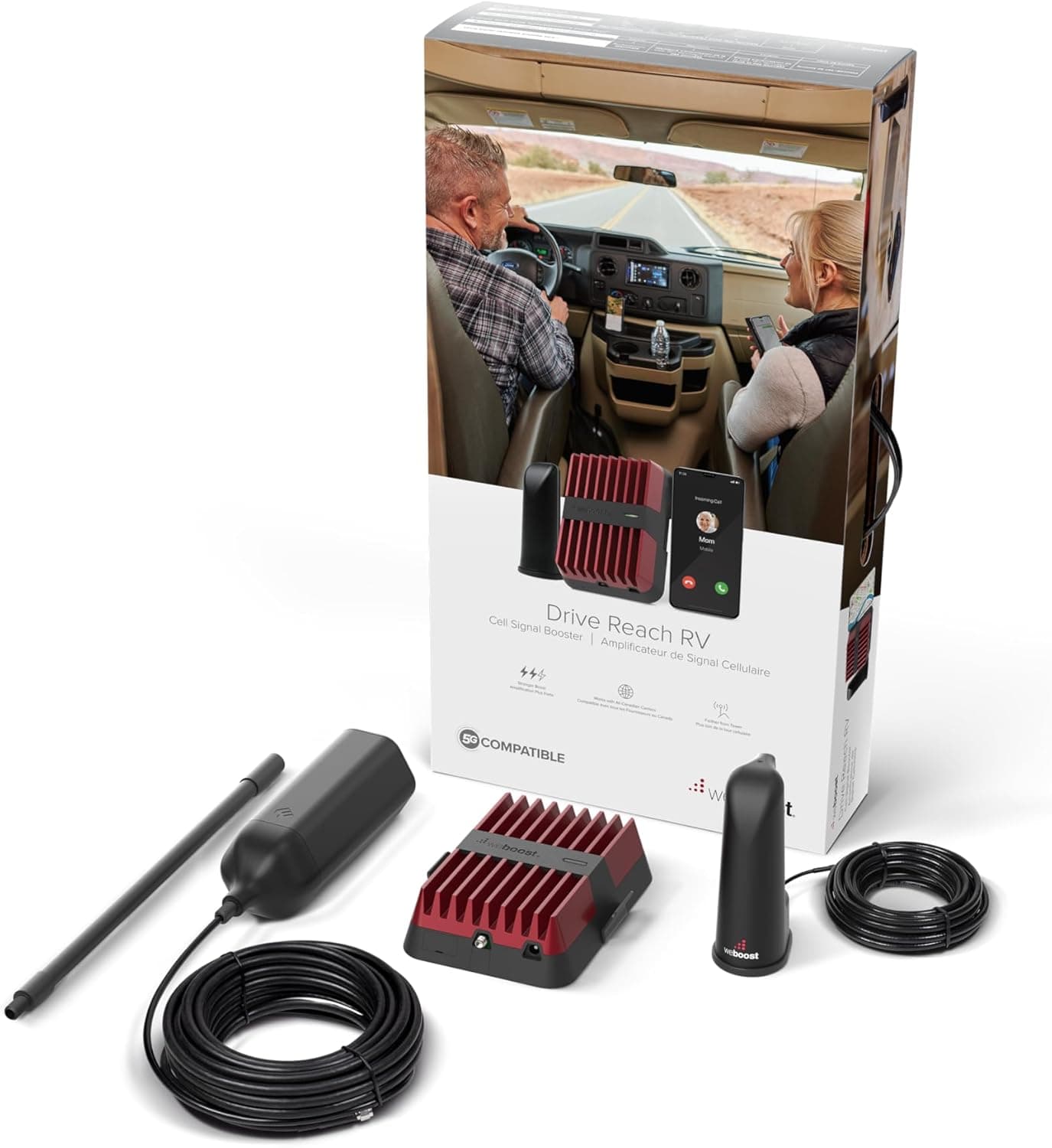
+ Boosts weak cell signal for hotspots and phones in rural parks
From our guide: Best RV WiFi Boosters
+ Dual-band support connects to both 2.4 and 5 GHz park networks
From our guide: Best RV WiFi Boosters
+ 2 Pack supports MIMO hotspots with two antenna ports
From our guide: Best RV WiFi Boosters
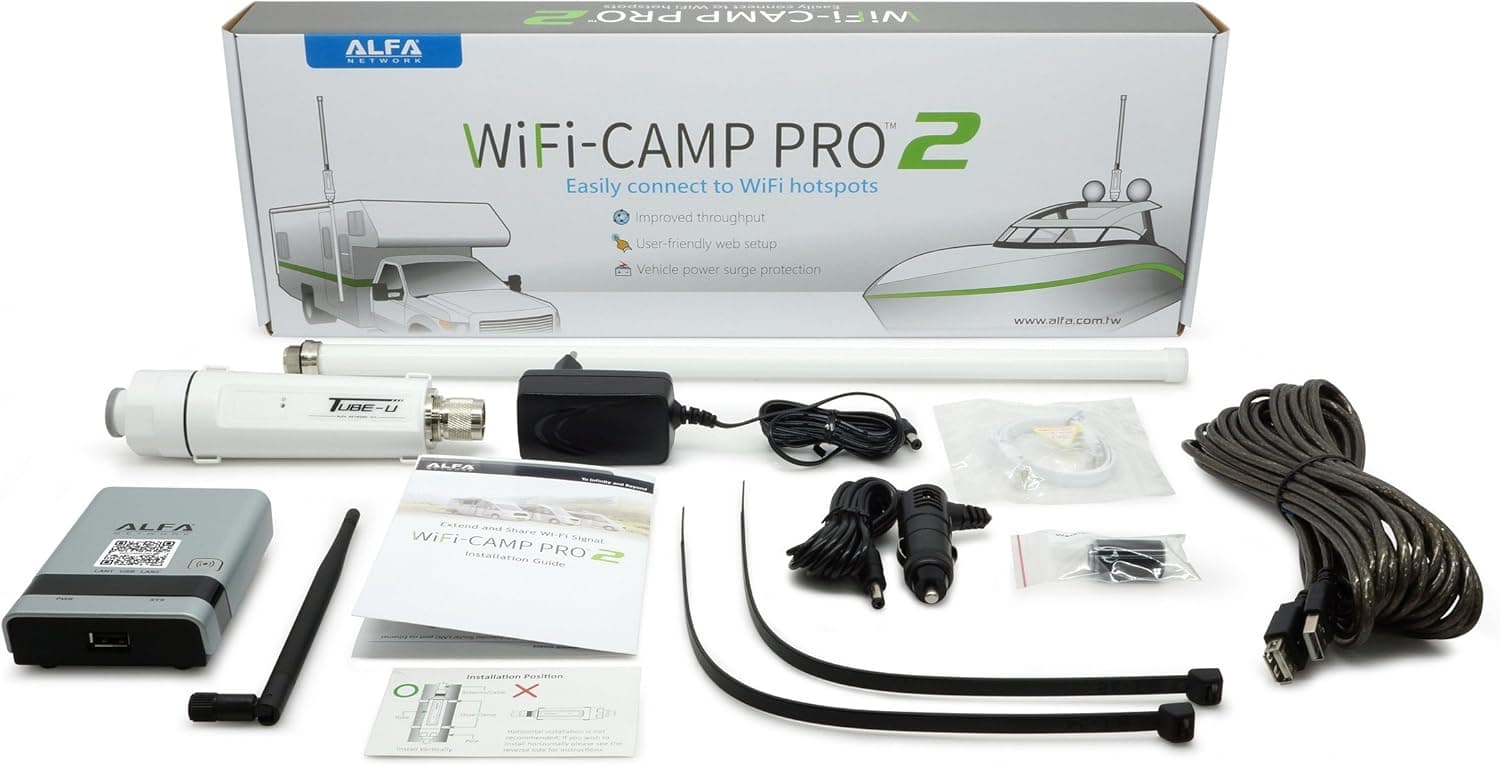
+ Proven CampPro kit design widely used by RVers for park WiFi
From our guide: Best RV WiFi Boosters
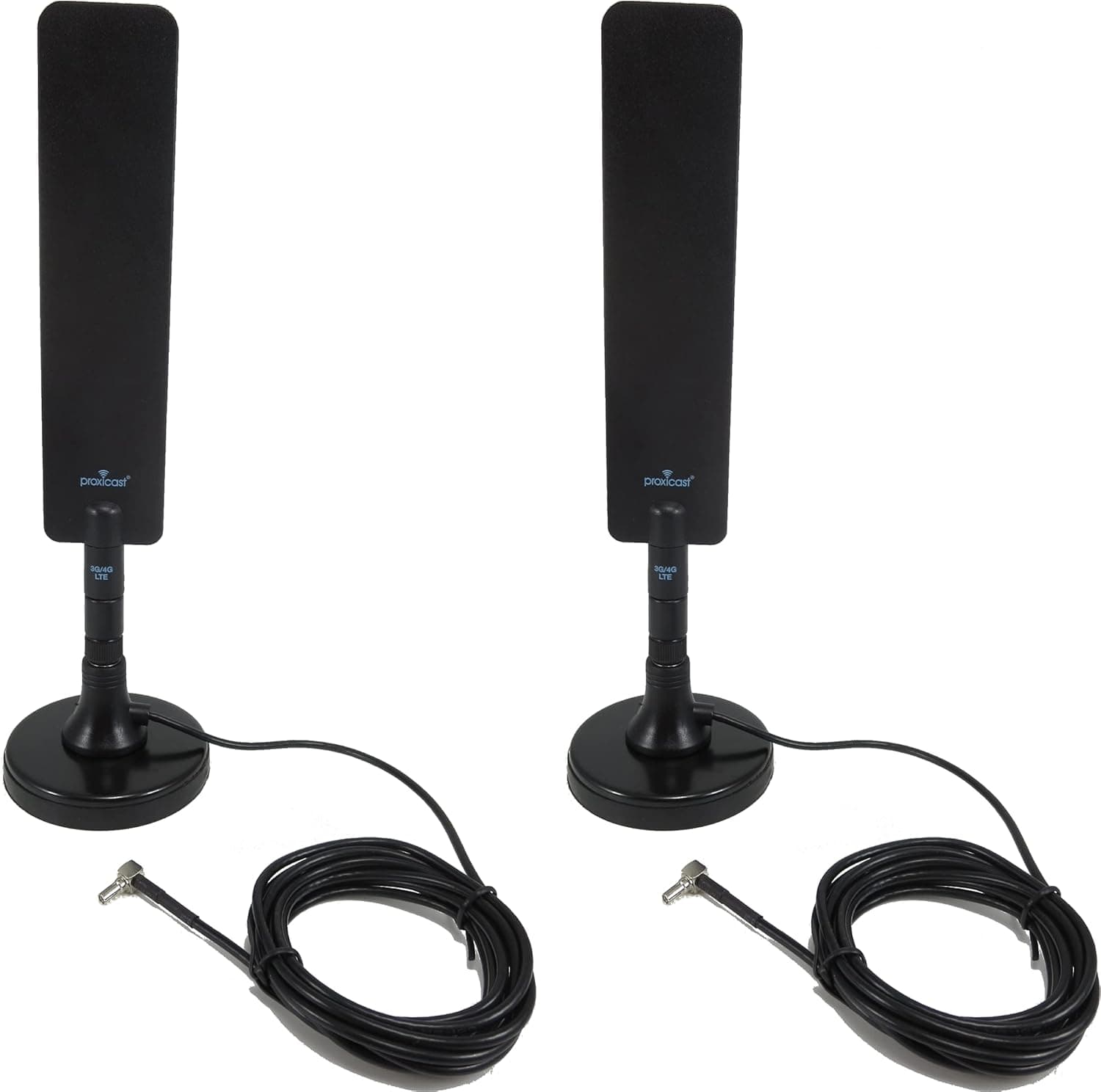

Cellular data is the backbone for most travelers. A smartphone hotspot or a dedicated mobile router taps into the same towers your phone uses, giving you internet almost anywhere there is coverage. Many RVers carry plans from more than one carrier, because a spot with no signal on one network often has strong service on another. Coverage maps help you plan, but real world results vary, so redundancy is your friend.
When a signal is present but weak, a cellular booster can turn an unusable connection into a workable one. A booster captures the faint signal outside with an antenna, amplifies it, and rebroadcasts it inside your rig. It cannot create signal where there is none, but in fringe areas it often makes the difference between a dropped video call and a productive afternoon of work.
Campground WiFi exists but rarely deserves your trust for anything important. Shared among many guests and often stretched thin, it tends to slow to a crawl in the evening when everyone logs on. A WiFi extender can help you reach a distant campground router, yet you should treat this as a bonus rather than your main plan, and never handle sensitive tasks on an open network without protection.
Satellite internet has changed the game for remote travelers. Modern low orbit satellite service can deliver genuinely fast internet in places where no cell tower reaches, from deep forests to open desert. It requires a clear view of the sky and comes with its own equipment and subscription costs, but for those who chase truly off grid spots or work from the middle of nowhere, it can be a revelation.
Managing your data and power ties the whole system together. Streaming and video calls consume data quickly, so understand your plan limits and keep an eye on usage. Your connectivity gear also draws power, which matters when you are off grid, so factor routers and boosters into your energy budget. Simple habits like downloading entertainment on strong connections save both data and battery for later.
The smartest approach is to combine tools rather than rely on one. Pair cellular data from a couple of carriers with a booster for weak areas, lean on satellite when you venture truly remote, and treat campground WiFi as an occasional bonus. Build that layered setup and you can answer emails from a canyon rim or video chat with family beside a quiet lake, which is the real magic of a connected life on the road.
Popular right now
- How to Fix an RV Water Pump That Runs but Delivers No WaterArticle
- Best RV Slide-Out CoversBuying guide
- Best RV Power CordsBuying guide
- Best RV Backup CamerasBuying guide
- Best RV Solar PanelsBuying guide
- Best RV GPSBuying guide
Based on the last 28 days of search and visitor data.