How to Fix an RV Refrigerator That Is Not Cooling
A warm RV refrigerator can spoil a trip's worth of food in a day. RVs use two main fridge types: absorption fridges that run on propane or 120V power, and compressor fridges that run on 12V DC. They fail for different reasons, but many cooling problems come from ventilation, levelling, power supply and door seals rather than a broken fridge.
Know which fridge you have
Absorption fridges have no compressor and are nearly silent. They cool slowly, often needing many hours to reach temperature, and are sensitive to heat and levelling. They typically have an exterior access vent and roof vent.
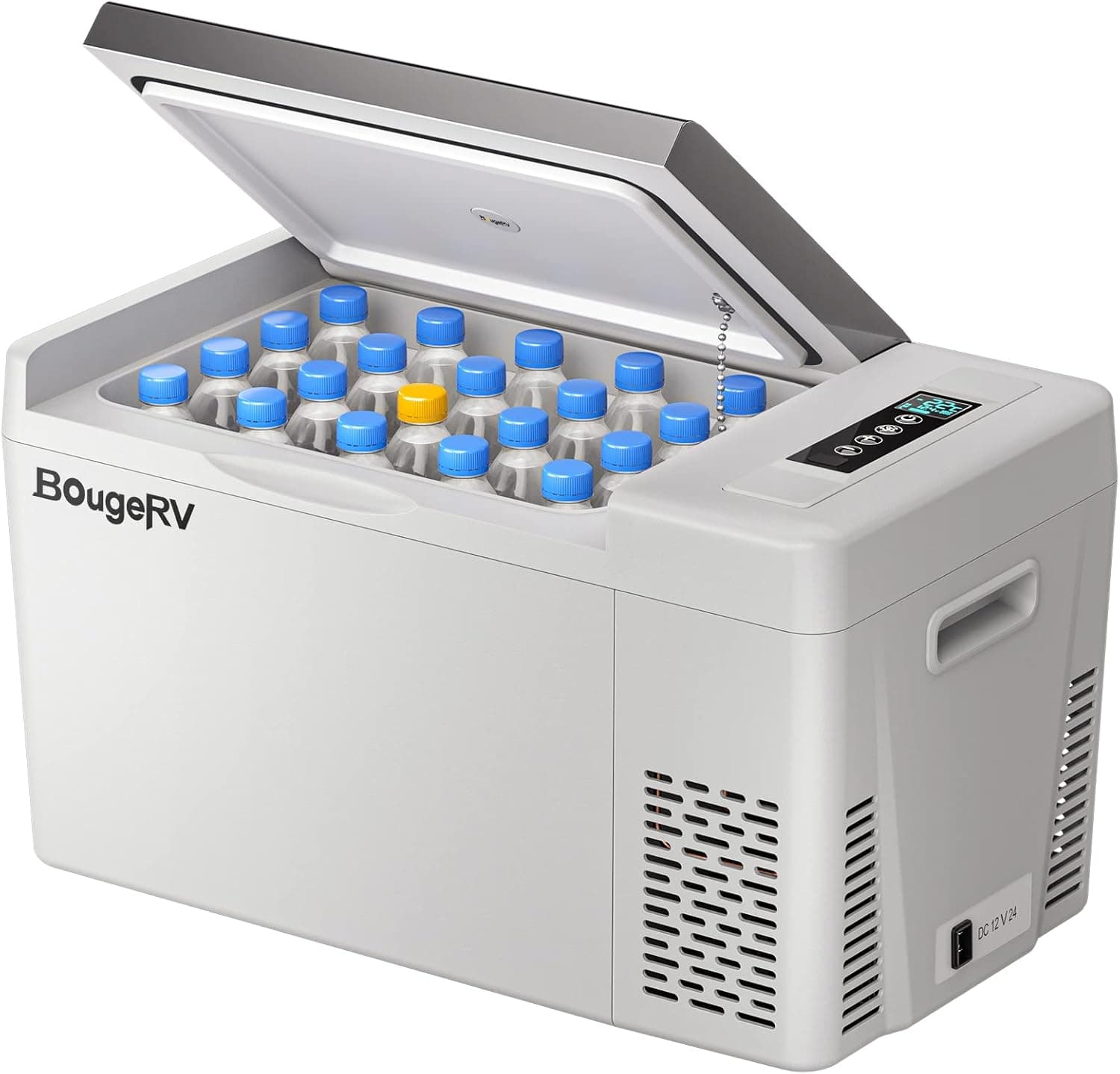
Compressor fridges sound like a household fridge, cool faster and are less sensitive to levelling, but they depend on stable 12V power. Checking the model label inside the fridge or the manual tells you which type you have.
Absorption fridge checks
Absorption fridges must be reasonably level to work, especially when parked for long periods. Use a level on the freezer floor and adjust the RV as recommended by the manufacturer.
Poor ventilation is the most common cause of weak cooling in hot weather. Clear bird nests, leaves and debris from the exterior vent and roof vent. A small 12V fridge vent fan helps remove hot air from behind the cooling unit on sunny days.
Check power and propane
On electric mode, check that the RV has shore power or the inverter is supplying 120V, and inspect fuses and circuit breakers for the fridge. On propane, confirm the tank has gas and other propane appliances light normally.
Low battery voltage affects both fridge types, because absorption fridge control boards need 12V to operate and compressor fridges may shut down to protect the battery. A battery monitor shows whether voltage drops when the fridge tries to run.
Inspect seals and loading
Worn or dirty door gaskets let cold air escape. Close the door on a piece of paper at several points around the seal. If the paper slides out easily, clean the gasket or replace it.
Overpacking blocks air circulation, and loading warm food and drinks makes the fridge work much harder. Pre-cool the fridge before a trip, load it with already cold food and use a small battery-powered fridge fan to move air inside.
When to seek repair
A strong ammonia smell, yellow residue behind the fridge or a cooling unit that stays warm at the top of the back coils can indicate a failed absorption cooling unit. Stop using it and have it inspected, since cooling units contain hazardous chemicals.
For compressor fridges that run constantly without cooling, or will not start with good voltage, contact an RV technician. Many owners replace old absorption fridges with 12V compressor models when upgrading to lithium batteries and solar.