How to Stay Warm and Protect Your RV When Camping in the Cold
Autumn and early winter are some of the best times to travel, with quieter campgrounds and cooler days. Nights below freezing, however, test an RV's heating, insulation and plumbing. Unlike winterizing for storage, camping in cold weather means keeping water systems usable while protecting them from freezing. Preparation keeps you comfortable and prevents expensive damage.
Heat efficiently
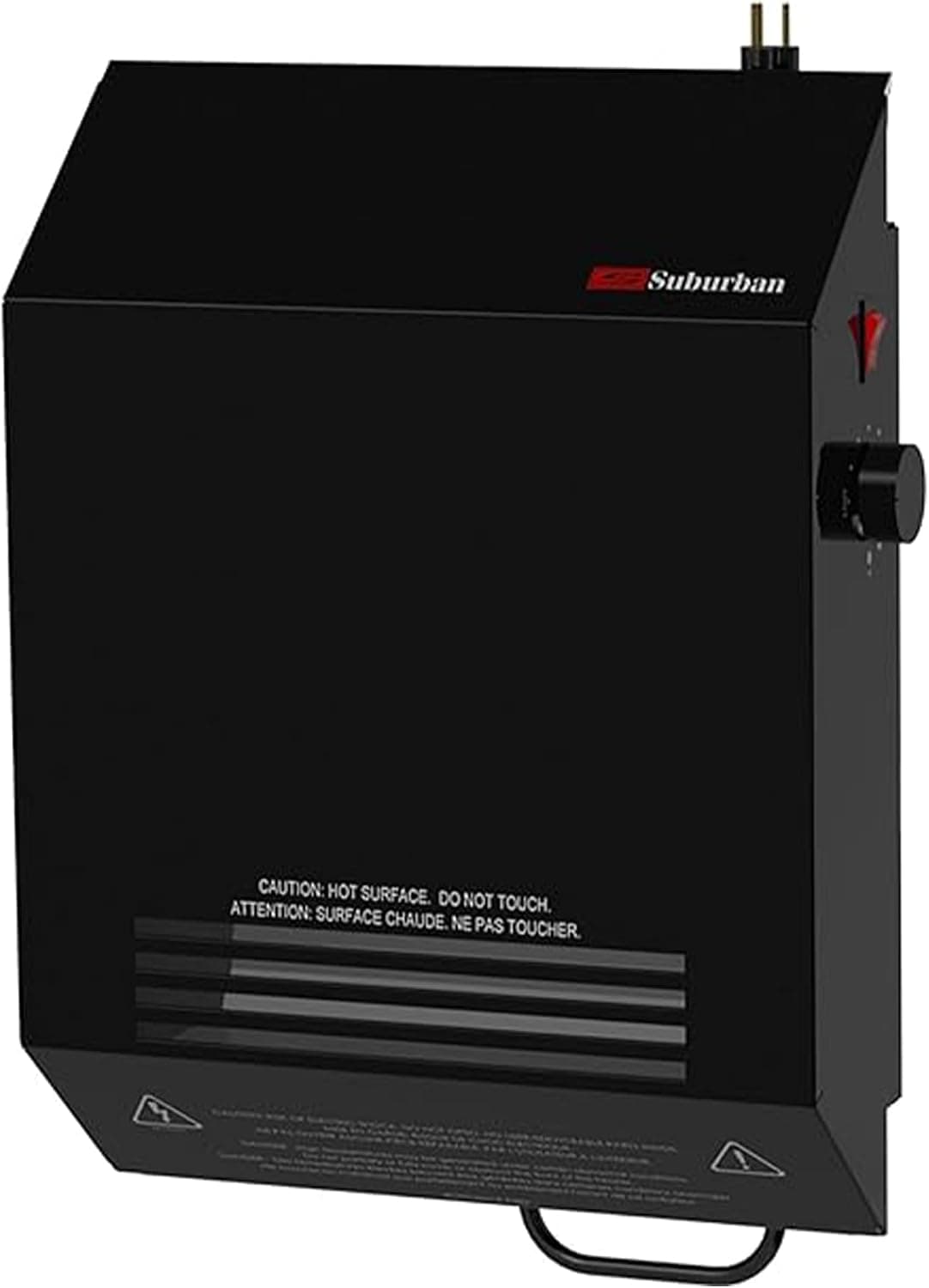
The RV furnace also warms the underbelly and tank compartments in many models, so it is important for protecting plumbing, not just for comfort. Keep propane tanks full and carry extra when temperatures drop, since furnaces use propane quickly.
An electric space heater on shore power reduces propane use, but it heats only the living area and does not warm the underbelly. Choose a heater with tip-over and overheat protection and never leave it unattended.
Protect water lines and tanks
Use a heated drinking water hose for city water connections, or fill the fresh tank and disconnect the hose at night. Hoses and outdoor connections freeze first. Tank heating pads, where fitted, help protect holding tanks.
Keep grey and black tank valves closed and dump them when mostly full, since a small amount of liquid in a tank freezes faster. Open cabinet doors under sinks to let warm air reach pipes on exterior walls.
Seal out drafts
Insulated window shades, reflective window inserts and thermal curtains reduce heat loss through windows, which are the RV's weakest insulation point. Foam vent cushions block heat escaping through roof vents.
Check slide seals and door weatherstripping for gaps. A heavy curtain behind the cab separates the driving area from the living space in motorhomes and reduces the space you need to heat.
Control condensation
Breathing, cooking and showering add moisture to a small space. When warm, moist air meets cold windows and walls, condensation forms, which can lead to mould and damage.
Crack a roof vent slightly, run the vent fan while cooking and showering, and use a compact RV dehumidifier. Propane heaters without external venting add moisture, so avoid them as the main heat source.
Stay safe
Test carbon monoxide, propane and smoke detectors before cold weather trips and replace old units. Keep furnace exterior vents clear of snow and never use a stove or oven to heat the RV.
Check the battery regularly, since furnace fans draw 12V power overnight. A battery monitor, a generator or solar and a backup plan for power keep heating running on cold nights.