RV Battery Bank Sizing
Published How we research
Choosing a battery bank by guesswork is how people end up with either a dead rig at 2 a.m. or a pile of expensive capacity they never use. The right approach is arithmetic, not intuition. Once you know your daily energy use, how deeply you can discharge your chosen chemistry, and how many days of buffer you want, the correct bank size falls out of the numbers almost on its own.
Products from this article
The highest-scoring picks from the buying guides this article links to. Scores are our editorial assessment, not customer ratings.
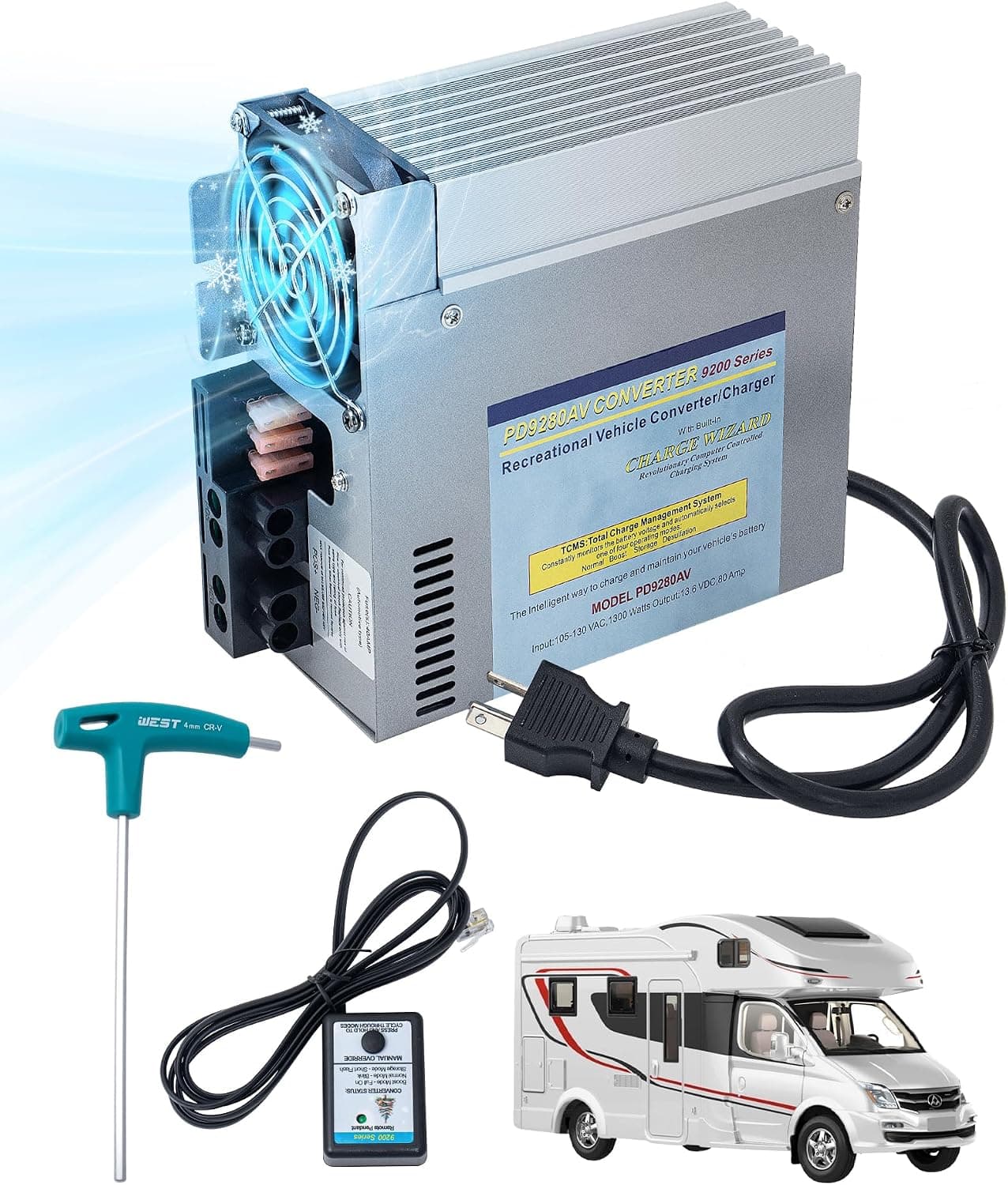
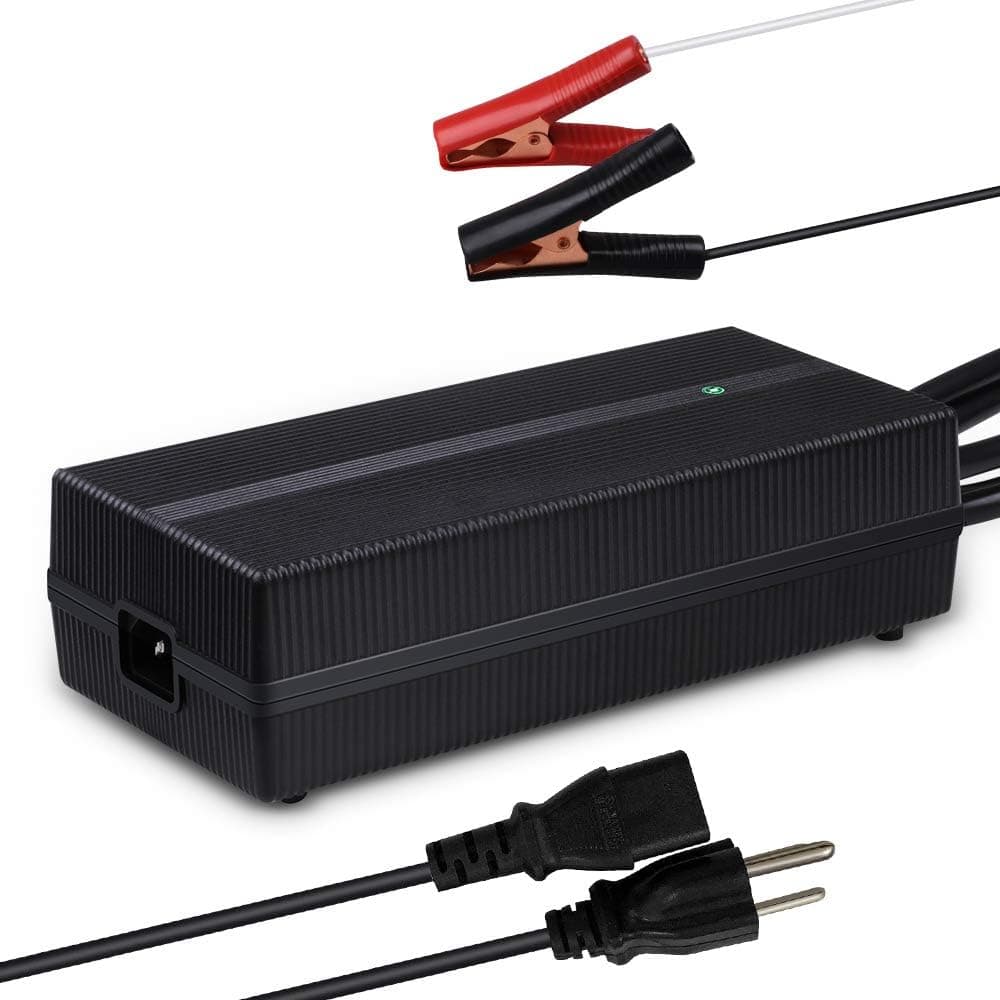
+ Charge Wizard automatically chooses the right charging mode
From our guide: Best RV Battery Chargers
+ Adjustable 13-16.5V output can be tuned for lithium batteries
From our guide: Best RV Battery Chargers
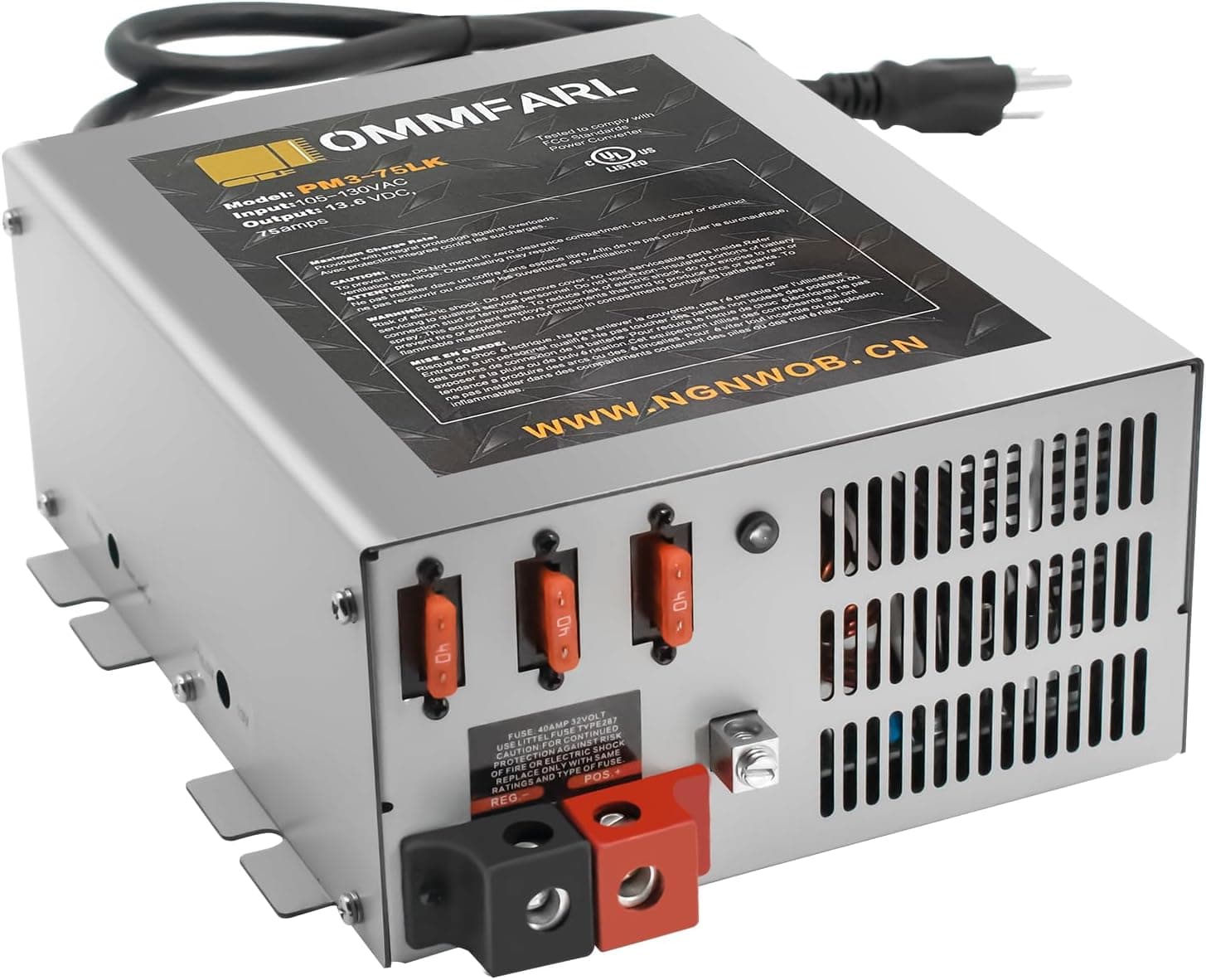
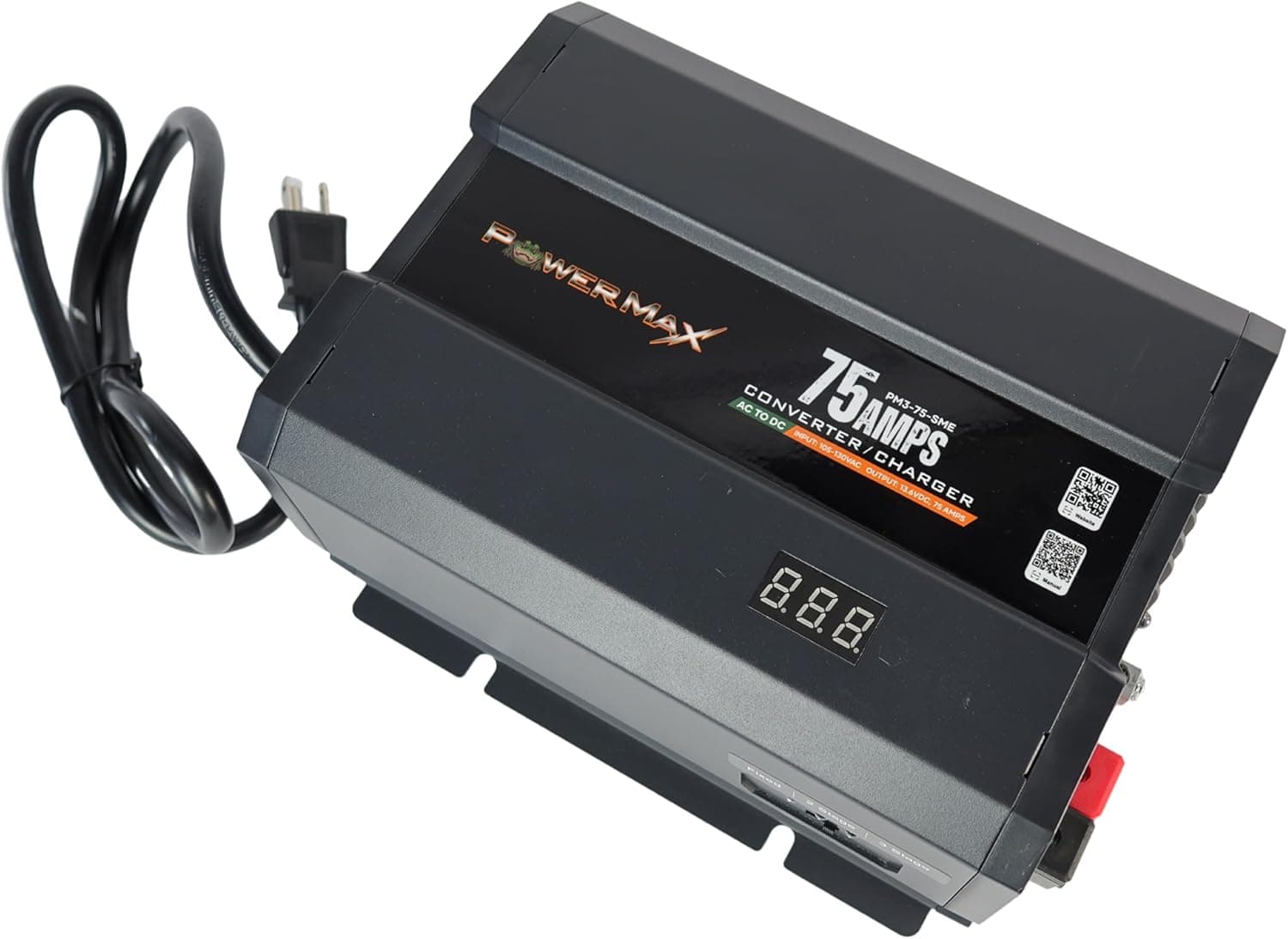
+ 75 Amp capacity supports larger 12 Volt loads in big rigs
From our guide: Best RV Battery Chargers
+ BMS activation can wake a lithium battery that has shut itself off
From our guide: Best RV Battery Chargers
The unit that matters is the amp-hour at 12 volts. Build a consumption table listing each device, its current draw in amps, and the hours per day it runs, then multiply and sum. A 12-volt compressor fridge might use 3 amps for eight effective hours, or 24 amp-hours a day. Add the furnace blower, water pump, lights, a roof fan, and the phantom draws from your inverter idling and propane detector. Most weekend campers land near 30 to 60 amp-hours daily, while full-timers who work online often reach 100 to 200. This single number drives the whole design.
Depth of discharge is where chemistry changes everything. Flooded and AGM lead-acid batteries should not routinely go below 50 percent state of charge, or their lifespan collapses. So a 100 amp-hour lead-acid battery realistically gives you only 50 usable amp-hours. Lithium iron phosphate batteries tolerate discharge to 10 or even 0 percent with little penalty, so a 100 amp-hour lithium delivers 90 to 100 usable amp-hours. That means one lithium battery replaces roughly two lead-acid batteries in usable energy, at a fraction of the weight, though at a higher purchase price.
Now add a reserve for reality. Solar underperforms on cloudy days, you might dry camp two nights without recharging, and cold weather reduces available capacity. A common target is two to three days of autonomy. If you use 80 amp-hours a day and want two days of buffer with lithium, you need about 160 usable amp-hours, so two 100 amp-hour lithium batteries fit nicely. Building in that margin is what separates a bank that merely works from one that works when conditions turn against you.
Temperature and charging deserve a mention because they quietly change your math. Lithium batteries must not be charged below freezing without a heater or internal warming feature, or the cells suffer permanent damage. Lead-acid loses capacity in the cold too, so winter campers should oversize slightly. Also match your charging sources to the bank: a 300 amp-hour lithium bank charges fast and can accept high current, so pair it with adequate solar, a DC-to-DC charger from the alternator, or a capable converter, otherwise you will store energy you can never refill quickly enough.
Finally, weigh cost against how you camp. If you mostly use hookups and only occasionally dry camp, a modest AGM bank may be plenty and easier on the wallet. If you boondock often, work remotely, or run a residential fridge, lithium's usable capacity, weight savings, and long cycle life usually justify the price within a few seasons. Whatever you choose, install a shunt-based battery monitor so you track real amp-hours rather than trusting voltage. Measured over a few trips, that data will confirm or correct your sizing far better than any online calculator.
Popular right now
- How to Fix an RV Water Pump That Runs but Delivers No WaterArticle
- Best RV Slide-Out CoversBuying guide
- Best RV Power CordsBuying guide
- Best RV Backup CamerasBuying guide
- Best RV Solar PanelsBuying guide
- Best RV GPSBuying guide
Based on the last 28 days of search and visitor data.