Reducing RV Condensation
Published How we research
Wake up on a cold morning to fogged windows and damp walls and you have met the RV owner's constant winter enemy: condensation. A small living space, cooking, breathing, and showering release a surprising amount of water vapor, and when that warm moist air hits a cold surface it condenses into liquid. Left unmanaged, that moisture breeds mold, rots wood, and ruins insulation. Controlling it is about balancing the moisture you create against the ventilation and warmth that clear it away.
Products from this article
The highest-scoring picks from the buying guides this article links to. Scores are our editorial assessment, not customer ratings.
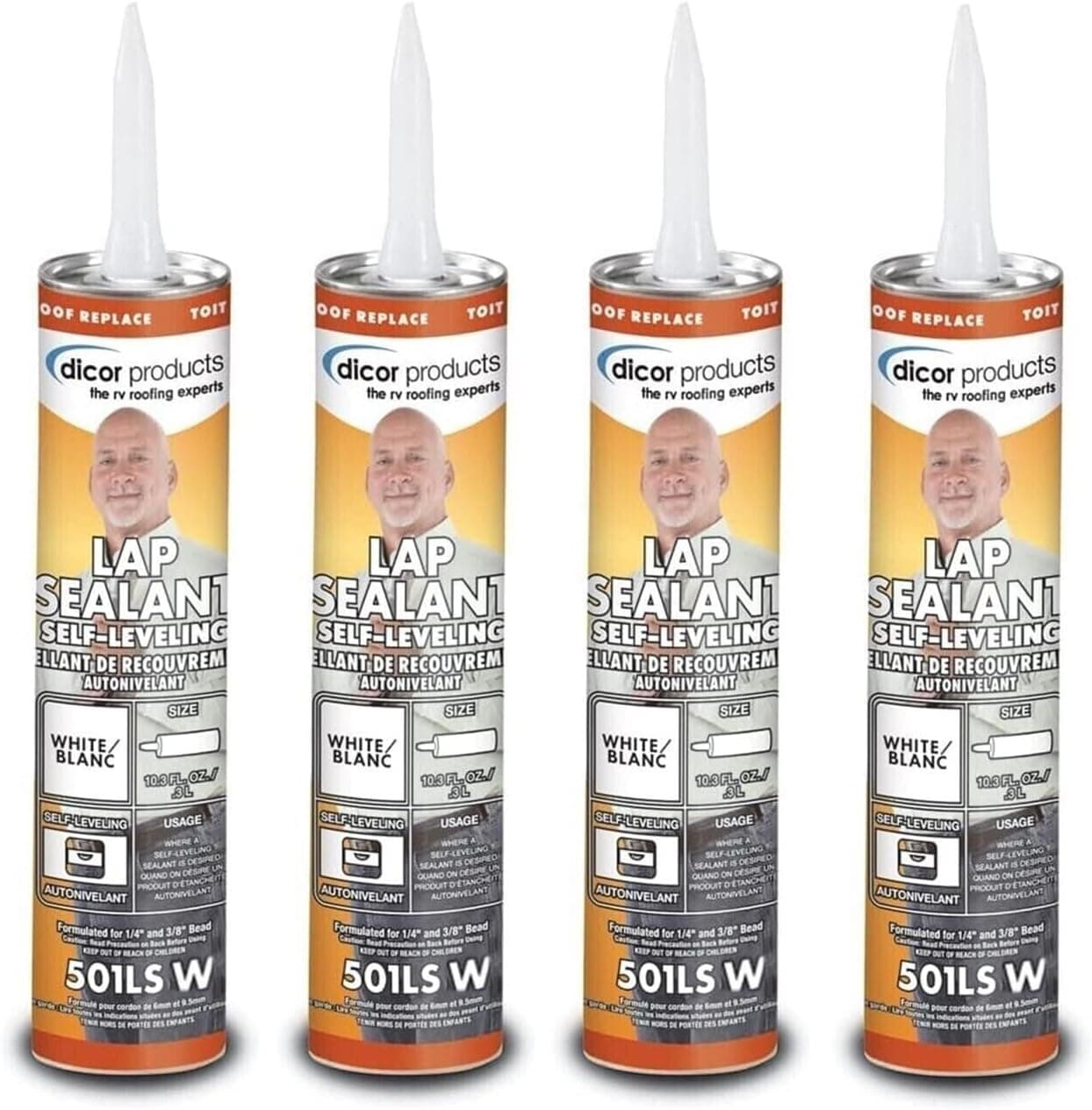
+ Dicor is the standard sealant many RV makers use on rubber roofs
From our guide: Best RV Roof Sealant
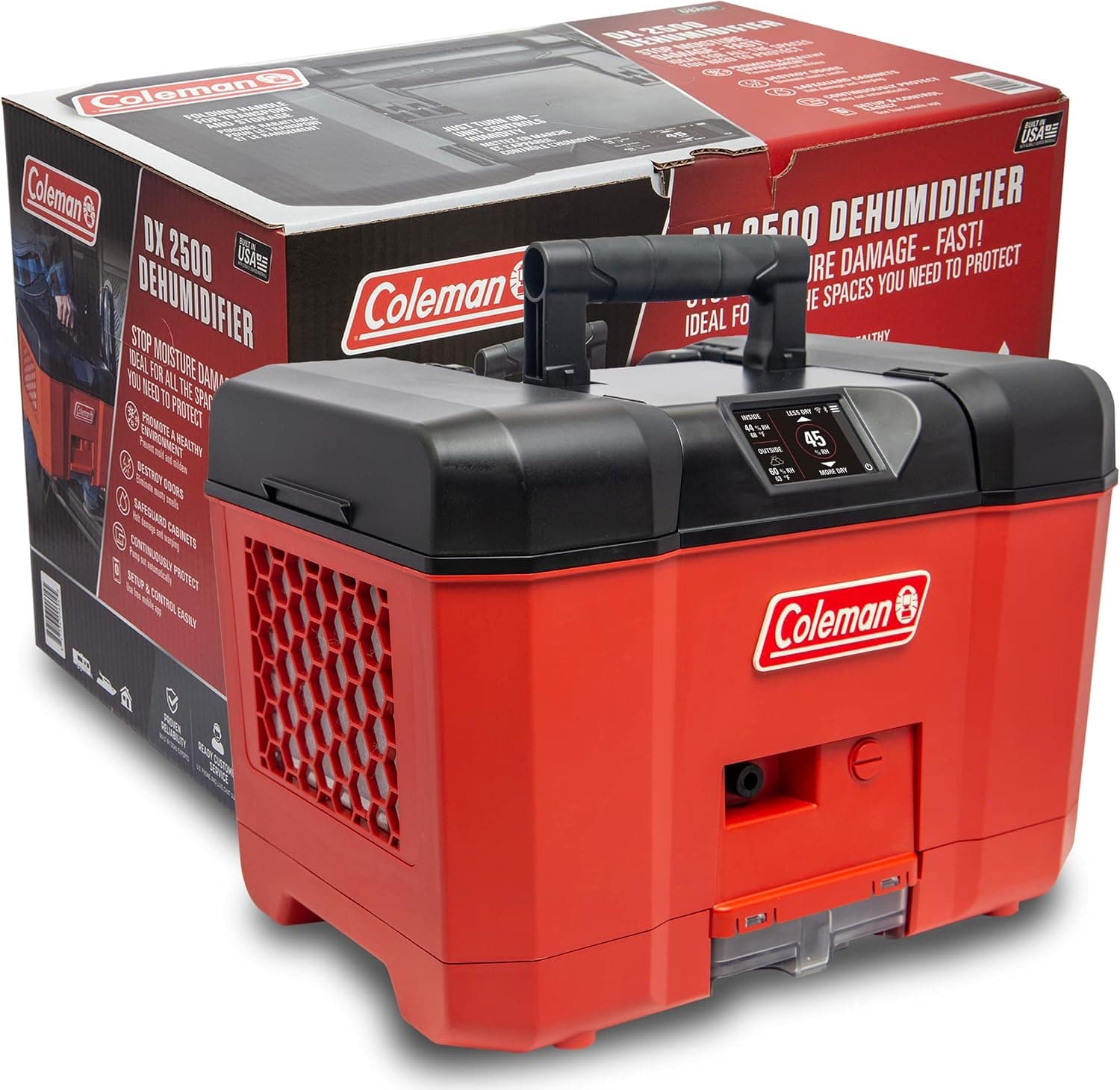
+ Rated coverage of up to 800 cu ft suits a typical travel trailer
From our guide: Best RV Dehumidifiers
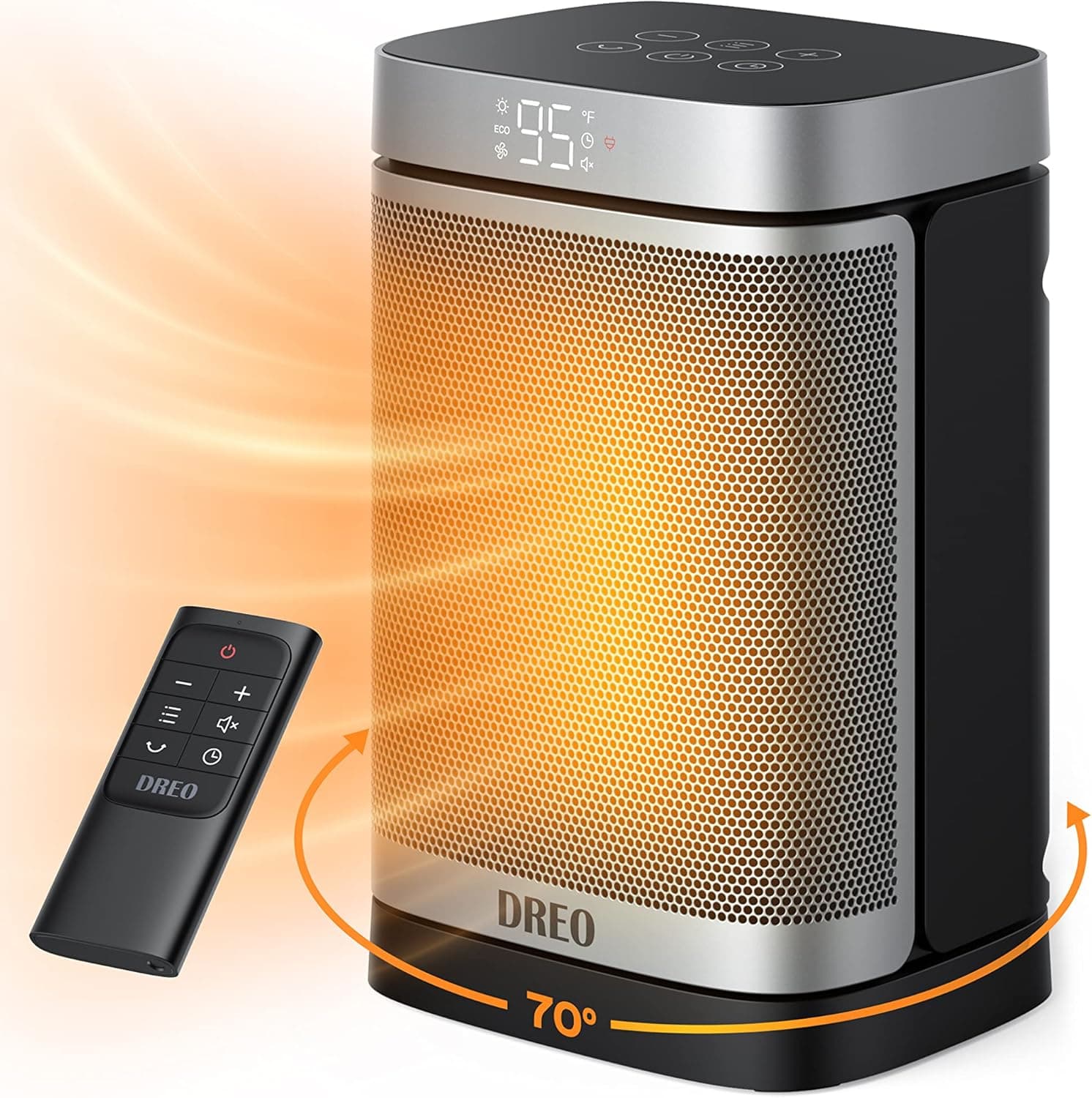
+ Remote lets you adjust heat from bed on cold campground mornings
From our guide: Best RV Space Heaters
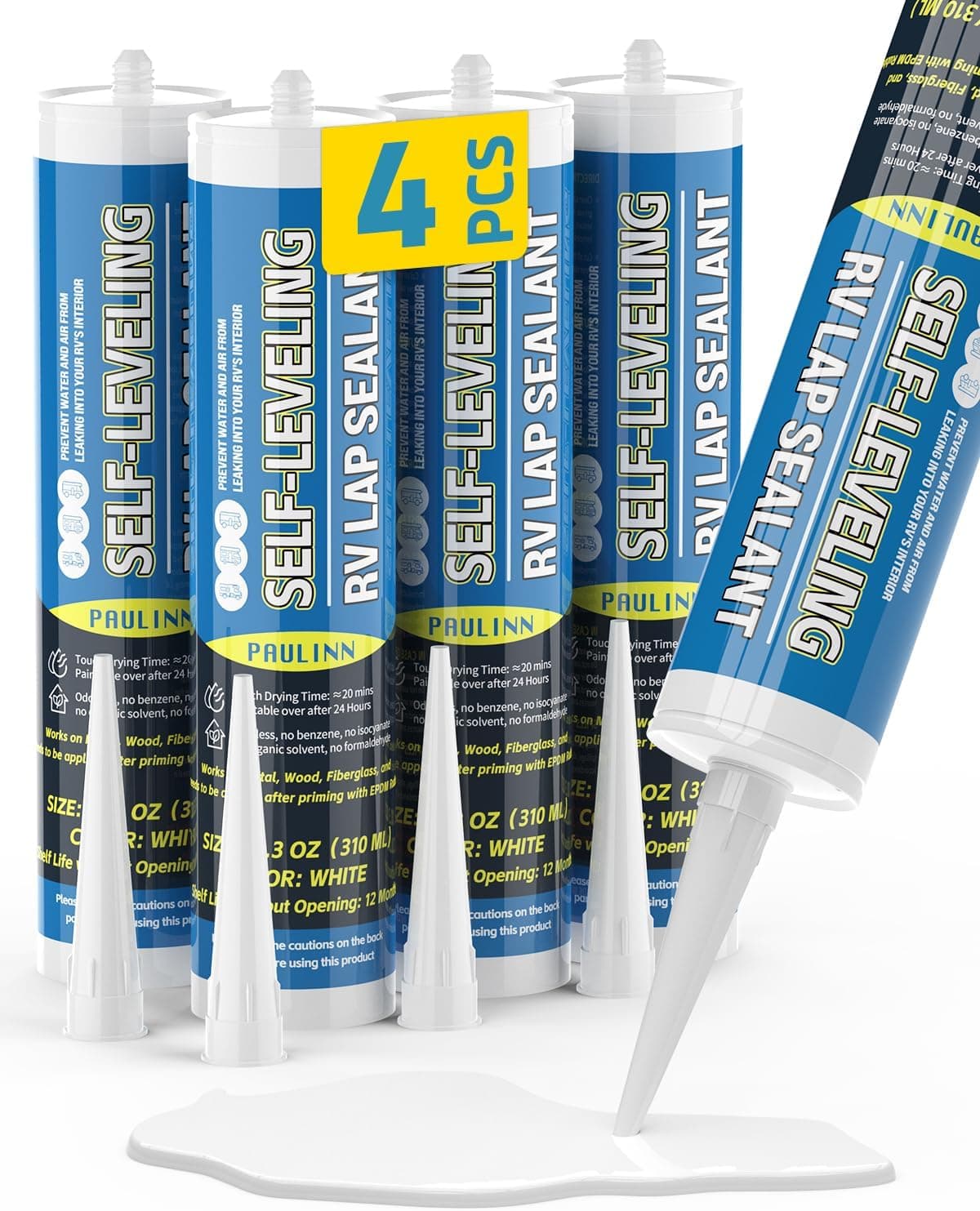
+ No smell formula is easier to work with than solvent caulks
From our guide: Best RV Roof Sealant
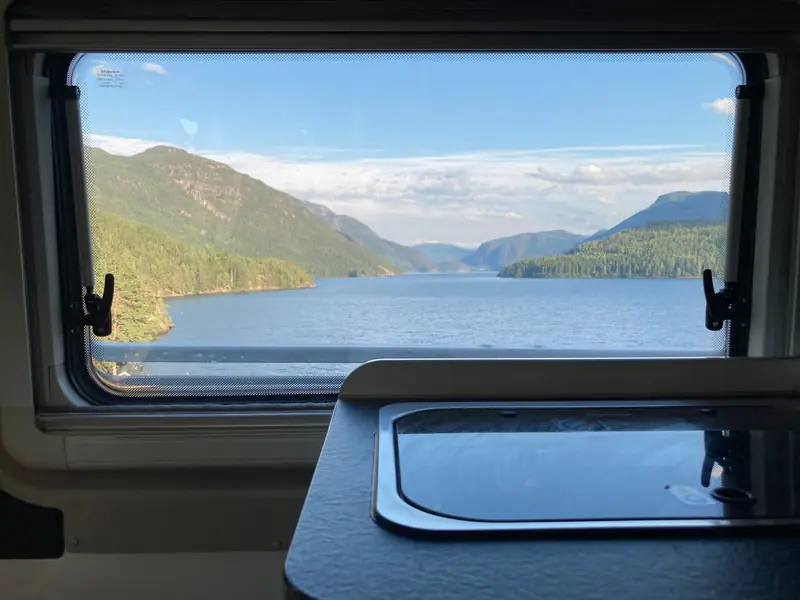
Understanding the source makes the solutions obvious. Two people sleeping overnight can release a pint or more of water into the air through breathing alone, and cooking a pot of pasta or taking a hot shower adds far more. That vapor stays invisible until it meets your single-pane windows, metal window frames, or the cold corners of the ceiling, where it turns to droplets. The colder the surface and the more humid the air, the worse it gets, which is why condensation is mainly a cold-weather problem.
Ventilation is the most effective single fix, and it feels counterintuitive because you are letting cold air in on purpose. Cracking a roof vent and a window an inch, especially while cooking or after showering, lets humid air escape and drier air enter, and the small heat loss is well worth the dry interior. Running a roof vent fan on low pulls moisture out actively. Always use the range hood or a vent while cooking, and never dry a rack of wet laundry inside a closed rig, which dumps liters of water straight into the air.
Heat works alongside ventilation because warmer air holds more moisture without condensing, and warmer surfaces do not collect droplets. A furnace that draws combustion air from outside and vents outside adds no moisture to your living space, which is why it is drier than the alternative. Portable propane heaters of the unvented type, by contrast, release water vapor as a byproduct of burning fuel, so while they are handy they make condensation noticeably worse. If you rely on one, ventilate more aggressively to compensate.
Absorption and insulation handle what ventilation and heat cannot reach. Small tubs of moisture-absorbing crystals or a compact electric dehumidifier pull water from the air in closed spaces like wardrobes and under beds where air does not circulate. Insulating cold spots reduces the surfaces where vapor condenses: reflective window insulation, thermal curtains, and even bubble wrap on windows overnight all raise the surface temperature enough to keep them dry. Pay attention to hidden areas behind cushions against exterior walls, where trapped moisture quietly grows mold out of sight.
Daily habits pull the whole strategy together. Wipe down windows and any wet surfaces in the morning before the droplets soak in, pull mattresses and cushions away from cold walls to let air move behind them, and open cabinets occasionally to air them out. Watch for the early warning signs of a musty smell or dark spots in corners, and act before they spread. None of this is difficult, but it is constant, and the owners who stay ahead of condensation are the ones who treat ventilation and a quick morning wipe-down as routine rather than an afterthought.
Popular right now
- How to Fix an RV Water Pump That Runs but Delivers No WaterArticle
- Best RV Slide-Out CoversBuying guide
- Best RV Power CordsBuying guide
- Best RV Backup CamerasBuying guide
- Best RV Solar PanelsBuying guide
- Best RV GPSBuying guide
Based on the last 28 days of search and visitor data.