Keeping an RV Cool Without Shore Power
Published How we research
Running a rooftop air conditioner draws so much power that most people assume comfort off-grid in summer is impossible. In practice, staying cool without shore power is mostly about preventing heat from building up in the first place, then moving air efficiently. Air conditioning is the last resort, not the first tool, and a rig managed well can stay livable through surprising heat with very little electricity.
Products from this article
The highest-scoring picks from the buying guides this article links to. Scores are our editorial assessment, not customer ratings.
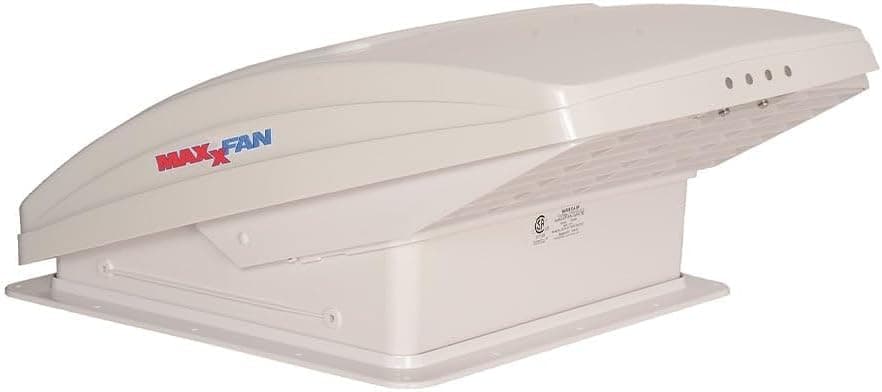
+ Built-in rain cover lets the fan run while driving or in storms
From our guide: Best RV Fans
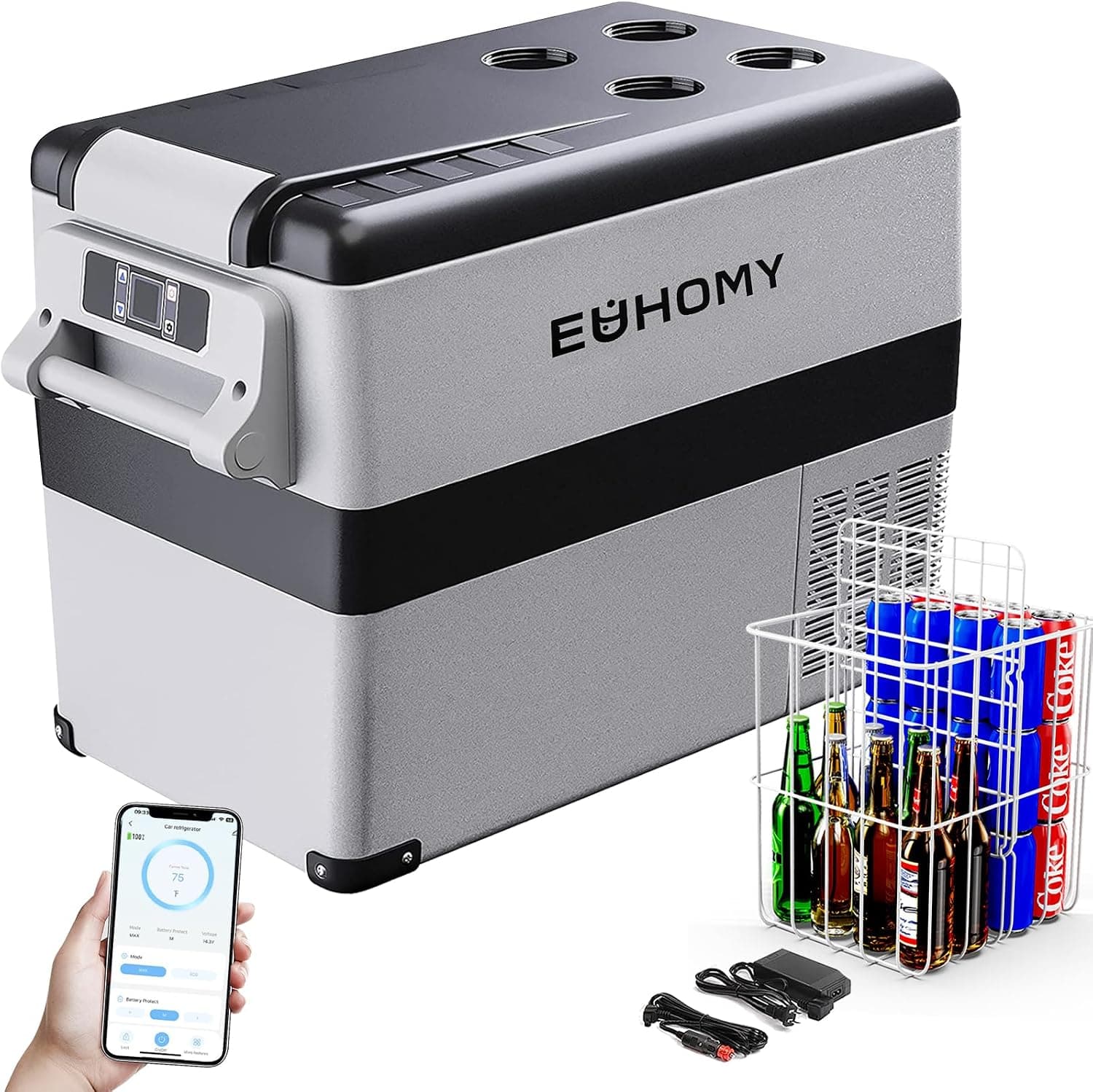
+ Wide -4-68F range works as deep freezer or drink fridge
From our guide: Best RV Portable Fridges
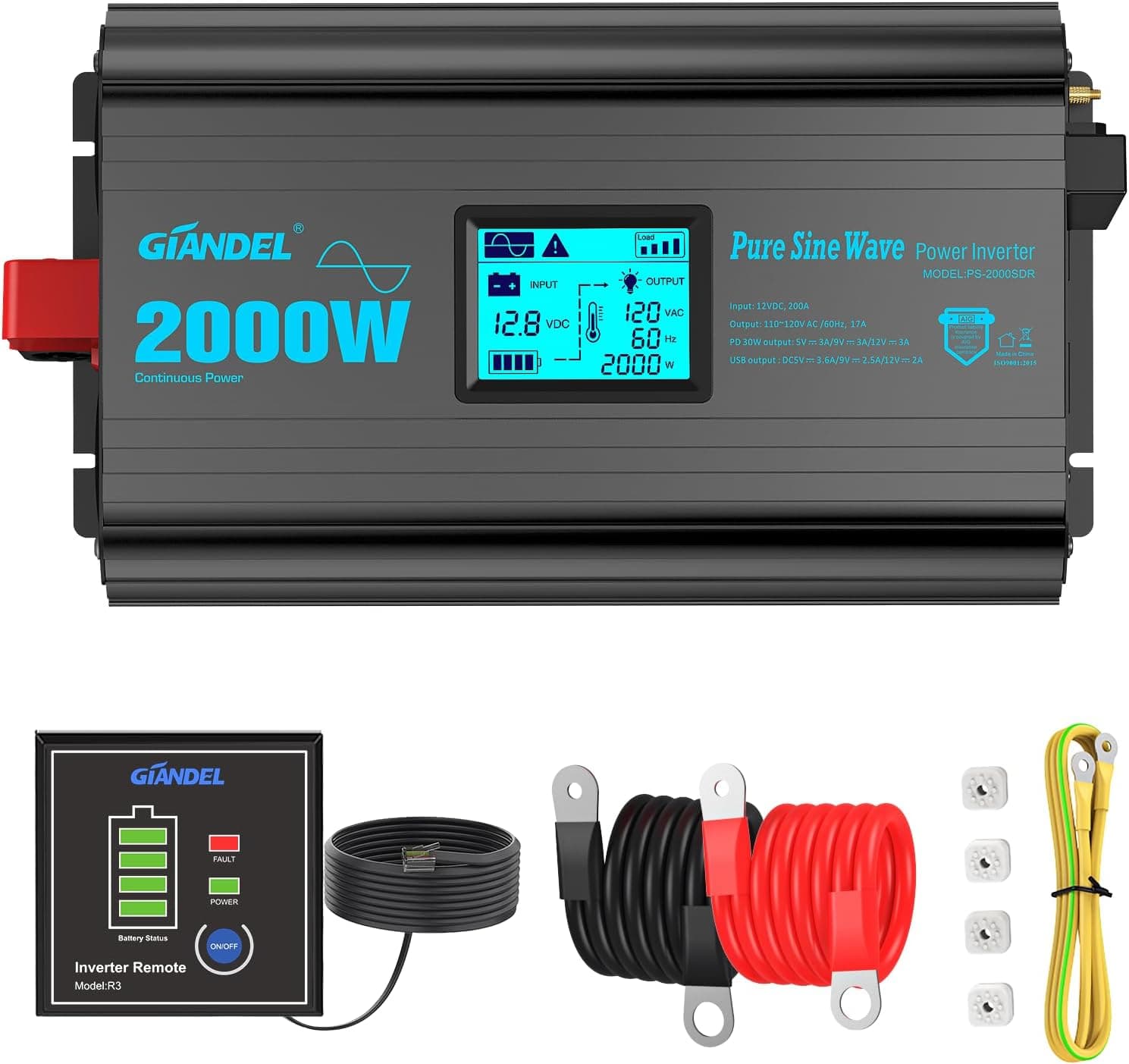
+ 20A hardwire block lets you feed RV outlets through a transfer setup
From our guide: Best RV Inverters
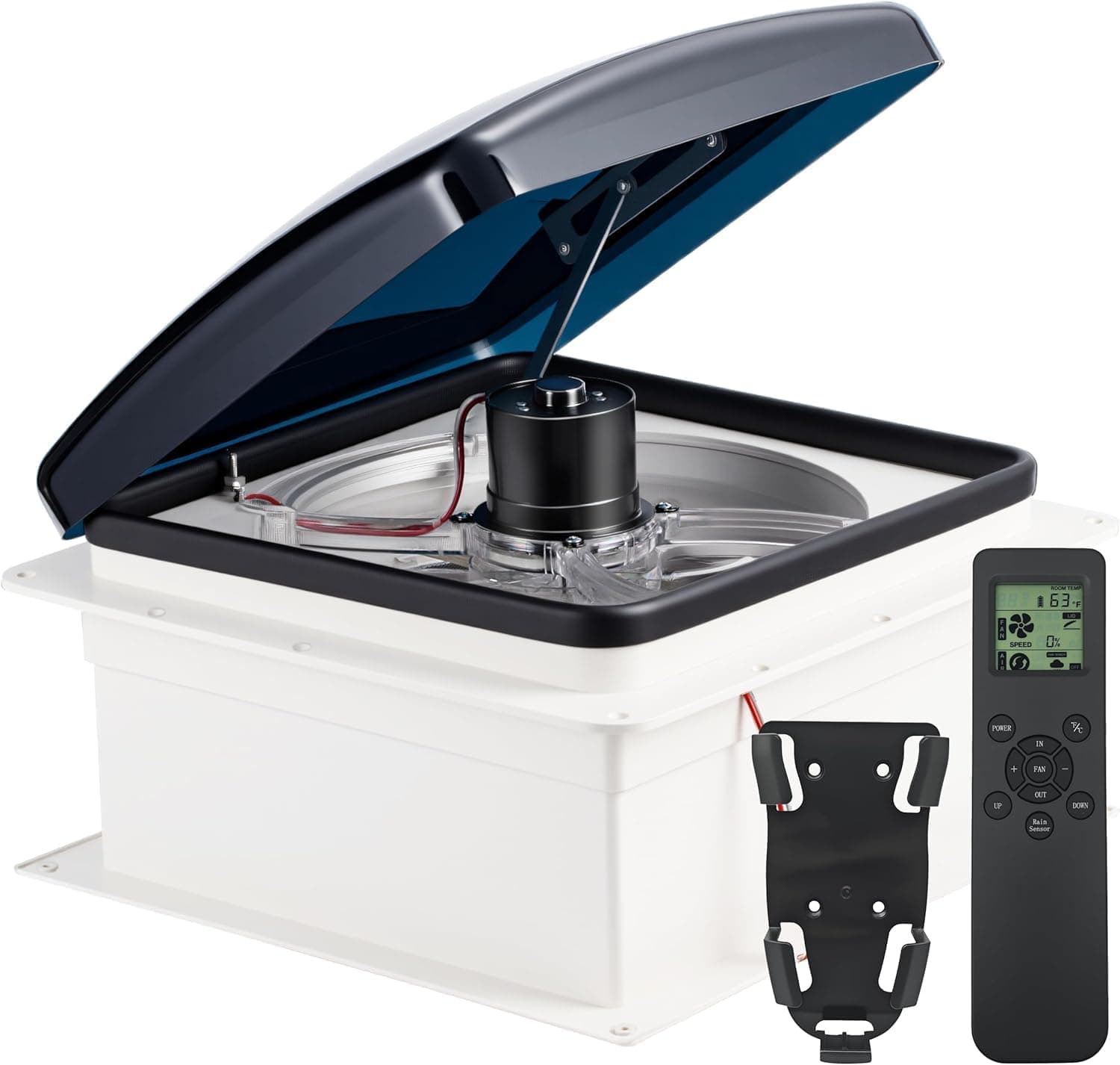
+ Rain sensor protects the interior if a storm hits while away
From our guide: Best RV Fans

Shade is the single most powerful factor, because direct sun on a metal or fiberglass roof turns your RV into an oven. Park so the long side and the largest windows face away from the afternoon sun, and use trees whenever you can find them. Deploy your awning, and consider reflective sunshades on the windshield and cab windows of a motorhome, which is where a huge amount of solar gain enters. Even a few degrees of shade on the roof translates into a dramatically cooler interior by mid-afternoon.
Airflow does the daily heavy lifting. A roof vent fan like a Maxxair or Fantastic Fan, run on 12 volts, pulls hot air out while you crack a window on the shaded side to draw cooler air in. This cross-ventilation, with hot air exhausted high and cool air entering low, can keep the cabin within a few degrees of outside temperature for only an amp or two of draw. Two fans, one pushing in and one pulling out, create a strong breeze that makes a real difference to how the air feels on your skin.
Timing your habits to the heat helps more than people expect. Cook outside on a camp stove rather than heating the galley, and do heat-generating tasks in the cool morning. Open everything up at night to flush the day's heat, then close windows, blinds, and vents in mid-morning to trap the cooler air, much like you would with a house in a hot climate. Reflective bubble insulation cut to fit your windows and skylights blocks radiant heat during the worst hours and stows flat when not needed.
If you truly need compressor cooling off-grid, the technology has caught up, though it demands a serious electrical system. A large lithium bank of 400 amp-hours or more, a robust inverter, and enough solar to recharge can run an efficient air conditioner for a few hours, and newer 12-volt DC and soft-start units make this far more practical than the old rooftop boxes. Be realistic about the investment: this is a several-thousand-dollar upgrade, and even then you will ration runtime rather than running it all day.
Do not overlook your own comfort tricks, which cost almost nothing. A rechargeable personal fan, a damp bandana, and staying hydrated let your body tolerate warmth that would otherwise feel oppressive. Evaporative cooling works well in dry desert air, so a wet towel in front of a fan can drop the perceived temperature noticeably. Combine smart parking, disciplined airflow, and good habits, and you will find that keeping an RV cool without shore power is far more achievable than the brochures for giant AC units would have you believe.
Popular right now
- How to Fix an RV Water Pump That Runs but Delivers No WaterArticle
- Best RV Slide-Out CoversBuying guide
- Best RV Power CordsBuying guide
- Best RV Backup CamerasBuying guide
- Best RV Solar PanelsBuying guide
- Best RV GPSBuying guide
Based on the last 28 days of search and visitor data.