How to Winterize an RV
Published How we research
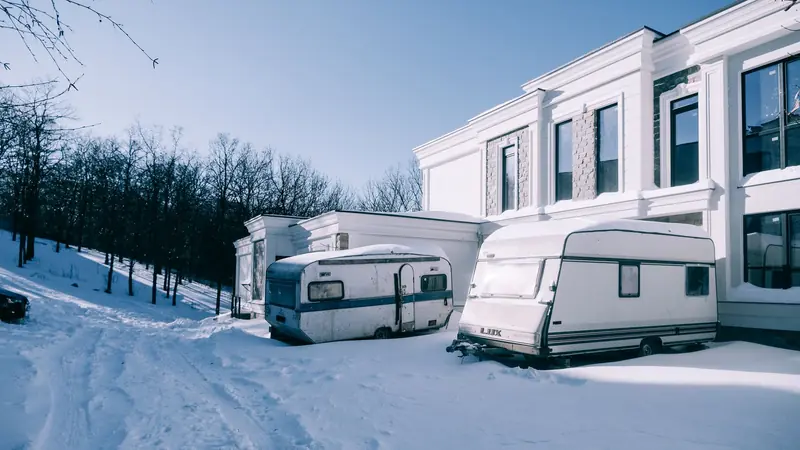
If you store your RV through cold months, winterizing is the single most important chore you can do. Water expands when it freezes, and a few dollars of trapped water can crack pipes, split fittings, and ruin your water pump or water heater. Spending an afternoon on this task now saves you an expensive and messy repair in spring.
Products from this article
The highest-scoring picks from the buying guides this article links to. Scores are our editorial assessment, not customer ratings.
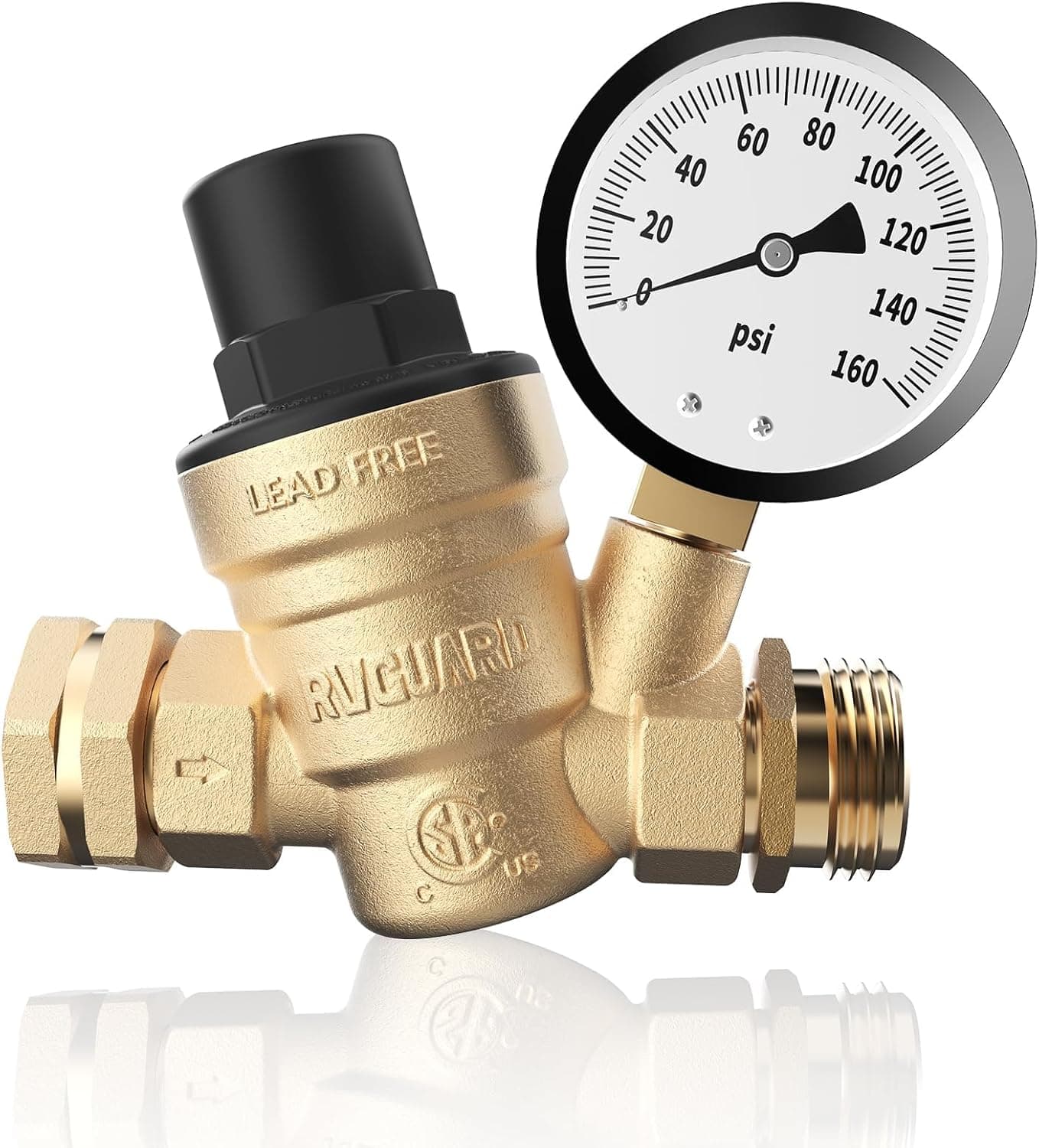
+ Built-in gauge shows exact pressure while you adjust it
From our guide: Best RV Water Pressure Regulators
+ Disassembly-free adjustment makes tension changes easier
From our guide: Best RV Slide-Out Covers
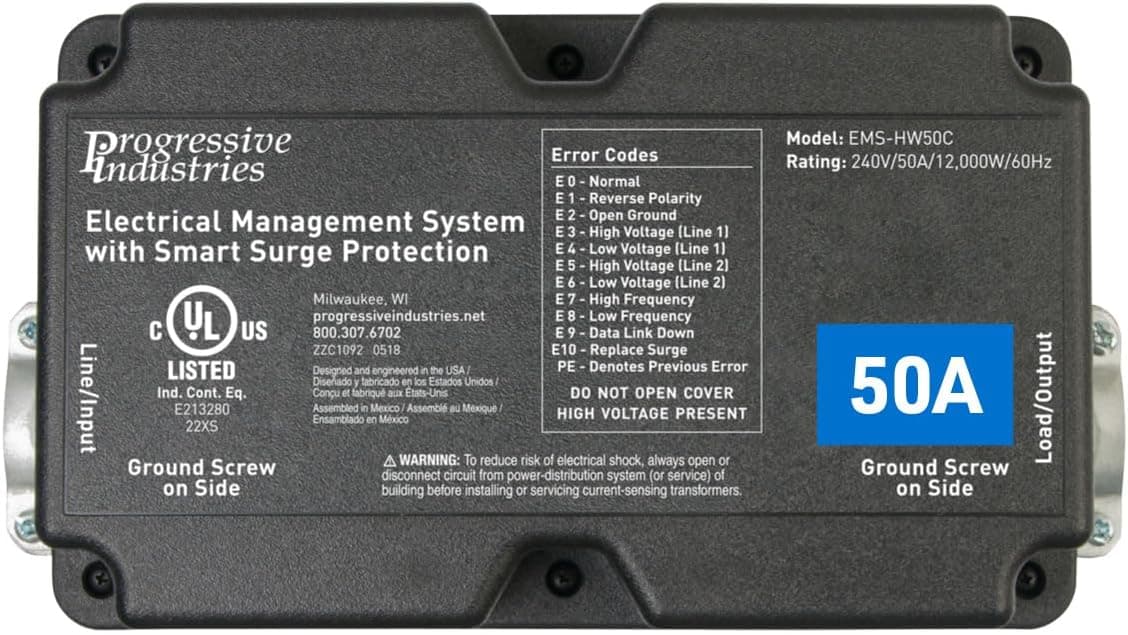
+ Hardwired install protects the rig without a unit to lock at the pedestal
From our guide: Best RV Surge Protectors
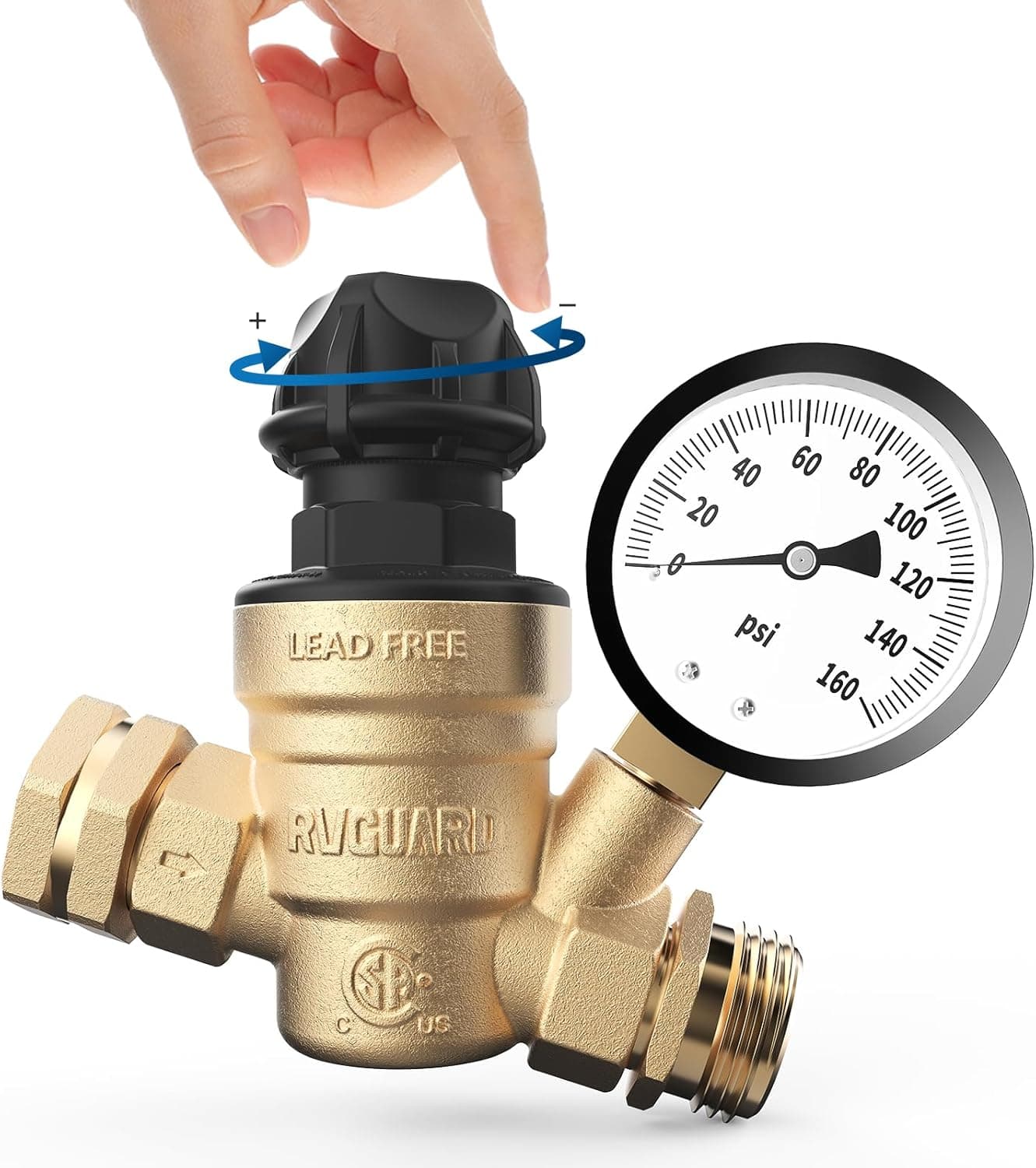
+ Adjustable knob changes pressure by hand without tools
From our guide: Best RV Water Pressure Regulators

Start by gathering your supplies. You will want a few gallons of nontoxic RV antifreeze, which is the pink kind made for drinking water systems, not the toxic automotive type. You may also want a water heater bypass kit if your rig lacks one, a tank wand for cleaning, and a water pump converter kit or a hand pump. Having everything ready before you begin makes the job go smoothly.
The first real step is to drain everything. Empty and flush the black and gray tanks at a dump station, drain the fresh water tank, and open the low point drains so the lines can empty. Drain the water heater only when it is cool and not under pressure, and remove or bypass any inline water filter so you do not push antifreeze through it. Let gravity do its work before you move on.
Many owners then blow out the lines with low pressure compressed air to clear any water hiding in the plumbing, which reduces how much antifreeze you need. Whether or not you blow the lines, the next step is to bypass the water heater so you do not waste gallons of antifreeze filling that big tank. Almost every modern rig has a bypass valve, and it is worth locating yours before you start.
Now pump the pink antifreeze through the system. Using the pump converter kit or a hand pump, draw antifreeze in and open each faucet one at a time, hot and cold, until you see steady pink flow. Do not forget the shower, the outside shower, the toilet, and any icemaker or washer lines. Pour a cup down each drain to protect the P traps, and add some to the toilet bowl and tank.
Finish by preparing the rig for its long rest. Remove food that could freeze or attract pests, prop the fridge door open a crack, and close up vents to keep critters out while leaving a little ventilation to fight moisture. A cover or a dry storage spot helps, and disconnecting or maintaining the batteries keeps them healthy through the cold.
When spring arrives, you simply flush the antifreeze out with fresh water, sanitize the system, and you are ready to roll. Keep a simple checklist so you never miss a step, and winterizing will become a quick, confident routine rather than a source of worry. Your future self, and your wallet, will thank you.
Popular right now
- How to Fix an RV Water Pump That Runs but Delivers No WaterArticle
- Best RV Slide-Out CoversBuying guide
- Best RV Power CordsBuying guide
- Best RV Backup CamerasBuying guide
- Best RV Solar PanelsBuying guide
- Best RV GPSBuying guide
Based on the last 28 days of search and visitor data.