RV Water System Basics
Published How we research
The plumbing in an RV can seem mysterious until you learn the simple logic behind it. At its heart, your rig has three tanks and a few key components that move water in, around, and out. Once you understand how they work together, filling up, using water wisely, and dumping become routine rather than intimidating.
Products from this article
The highest-scoring picks from the buying guides this article links to. Scores are our editorial assessment, not customer ratings.
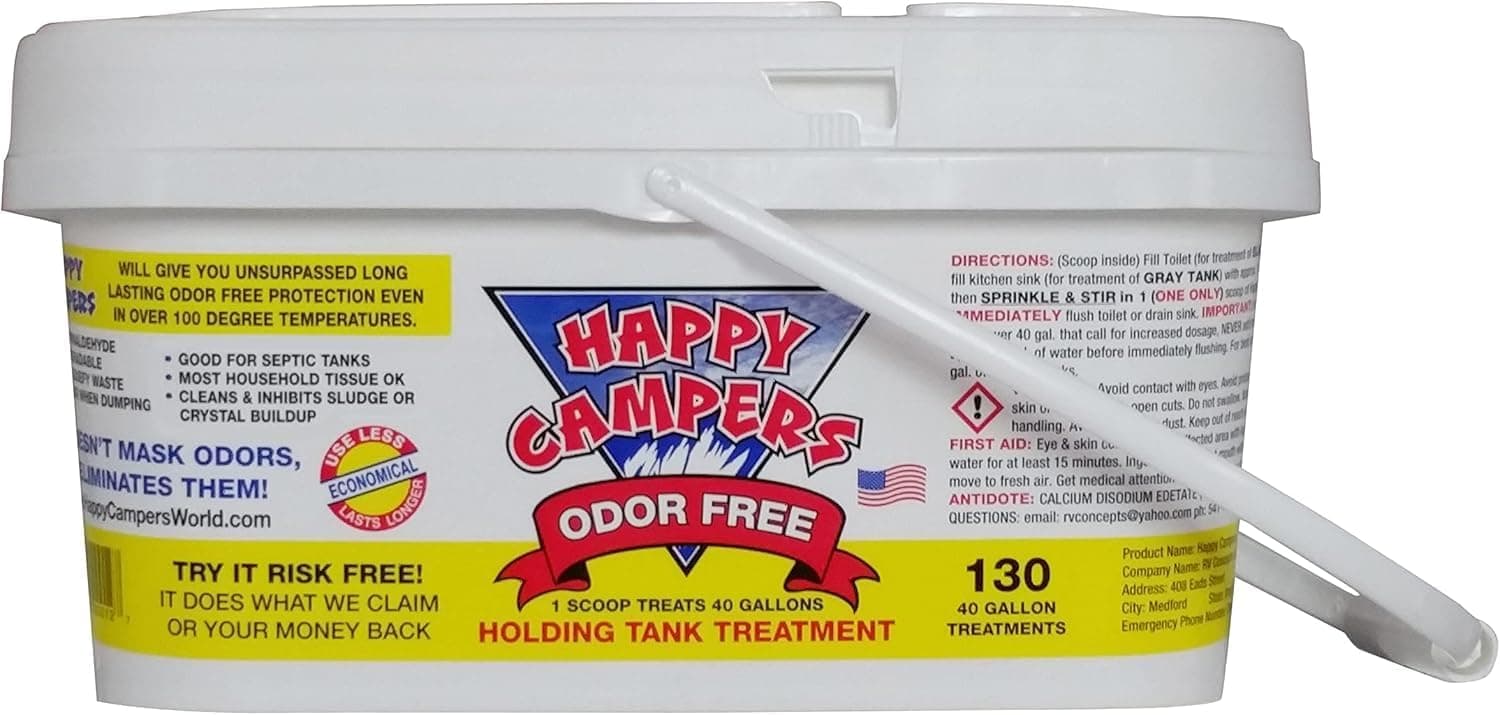
+ 130 doses make it a strong value for full-time RVers
From our guide: Best RV Holding Tank Treatments
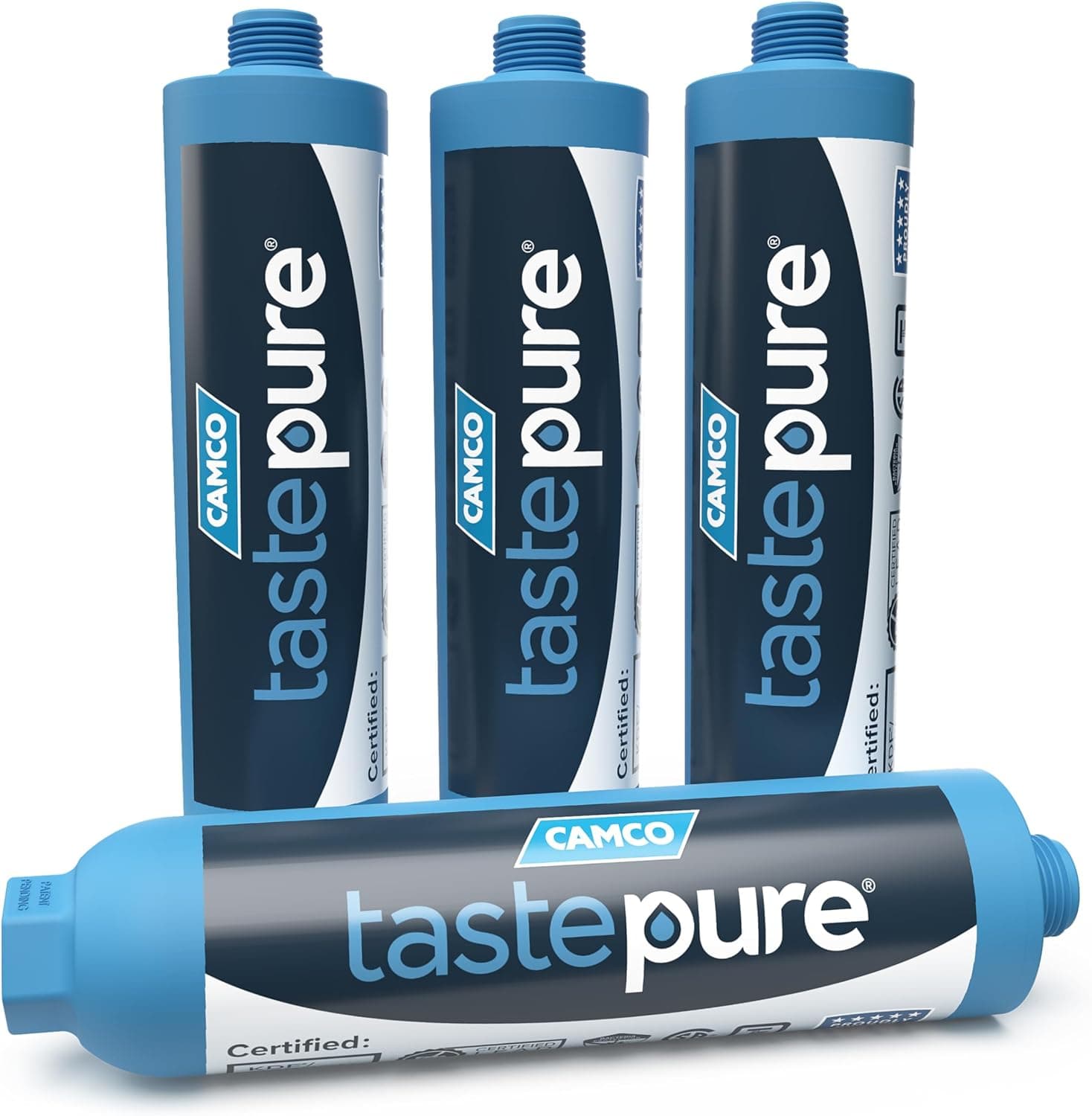
+ 4-Pack covers several seasons of filter replacements
From our guide: Best RV Water Filters
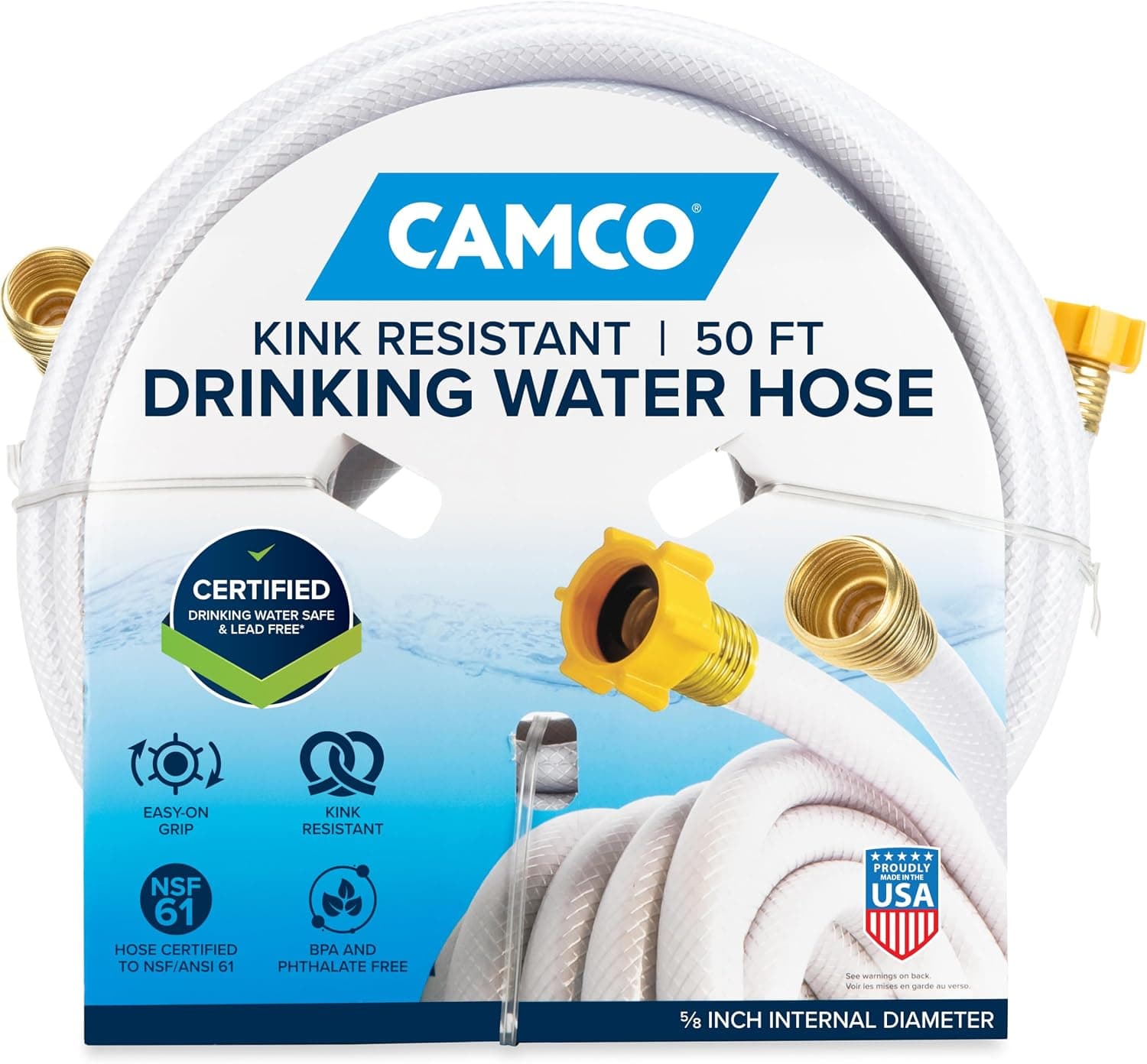
+ 50-Ft length reaches far spigots at older RV parks
From our guide: Best RV Water Hoses
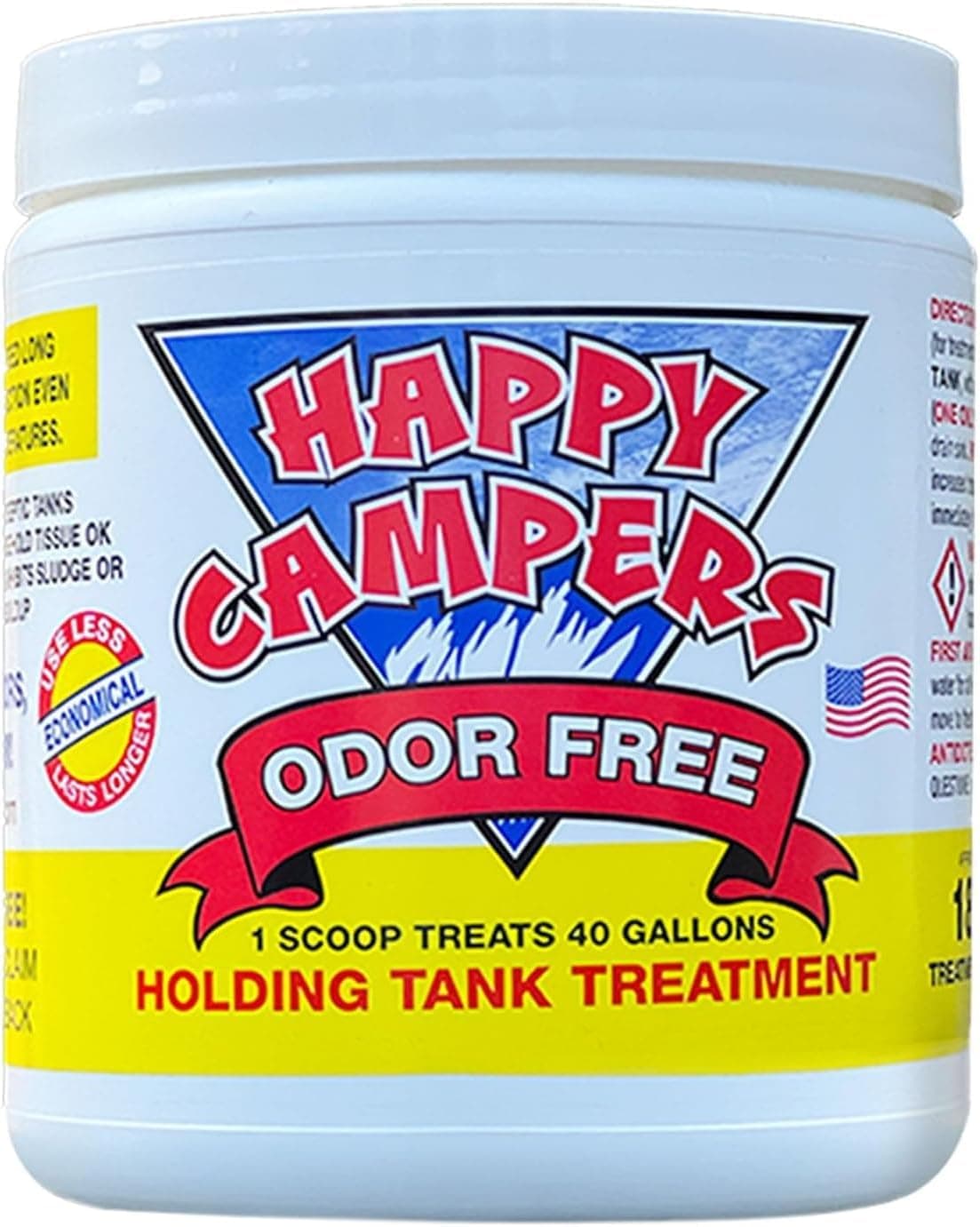
+ 18 treatments cover many dump cycles from one container
From our guide: Best RV Holding Tank Treatments

There are three tanks to know. The fresh tank holds clean water for drinking, cooking, and washing. The gray tank catches the used water from your sinks and shower. The black tank collects waste from the toilet. Keeping these roles straight is the foundation of everything, because you fill one and empty the other two, and you never want to mix up the process.
Water reaches your faucets in one of two ways. When you are connected to a campground spigot, a pressure regulator protects your plumbing from high or spiky city pressure, so always use one. When you are away from hookups, a 12 volt water pump pulls from your fresh tank and pressurizes the lines. That is why your faucets run even in the middle of nowhere, as long as the pump has power and water to draw.
Safe drinking water deserves care. Use a drinking water safe hose, not a garden hose, and add an inline filter to catch sediment and improve taste. Sanitize your fresh system a couple of times a season with a diluted bleach solution followed by a thorough flush. If a water source seems questionable, filtering or carrying bottled water for drinking is a sensible backup.
Managing the gray and black tanks is mostly about good habits. Use plenty of water and RV safe toilet paper to keep the black tank flowing, and add a tank treatment to control odor and help break down waste. Keep the black valve closed until the tank is at least two thirds full, then dump so the rush of liquid carries solids out. Dump black first, then gray, so the gray water rinses your hose.
Level sensors are notoriously unreliable, since bits of debris cling to them and give false readings. A clear elbow at the dump connection lets you see when the water runs clean, which tells you far more than the panel lights. A tank rinse wand or a built in flush system helps keep sensors accurate and tanks fresh over time.
With these basics, your water system stops being a source of stress. Fill the fresh tank, use a regulator and a good hose, keep an eye on your levels, and follow a simple dumping routine. Master this rhythm and you gain real freedom, because clean water and working plumbing follow you wherever the road leads.
Popular right now
- How to Fix an RV Water Pump That Runs but Delivers No WaterArticle
- Best RV Slide-Out CoversBuying guide
- Best RV Power CordsBuying guide
- Best RV Backup CamerasBuying guide
- Best RV Solar PanelsBuying guide
- Best RV GPSBuying guide
Based on the last 28 days of search and visitor data.