How to Boondock
Published How we research
Boondocking, also called dry camping or dispersed camping, means setting up without any hookups for water, power, or sewer. For many RVers it is the whole point of owning a rig. You trade crowded campgrounds and nightly fees for quiet, open space and starry skies. It sounds intimidating at first, but with a little preparation it quickly becomes second nature.
Products from this article
The highest-scoring picks from the buying guides this article links to. Scores are our editorial assessment, not customer ratings.
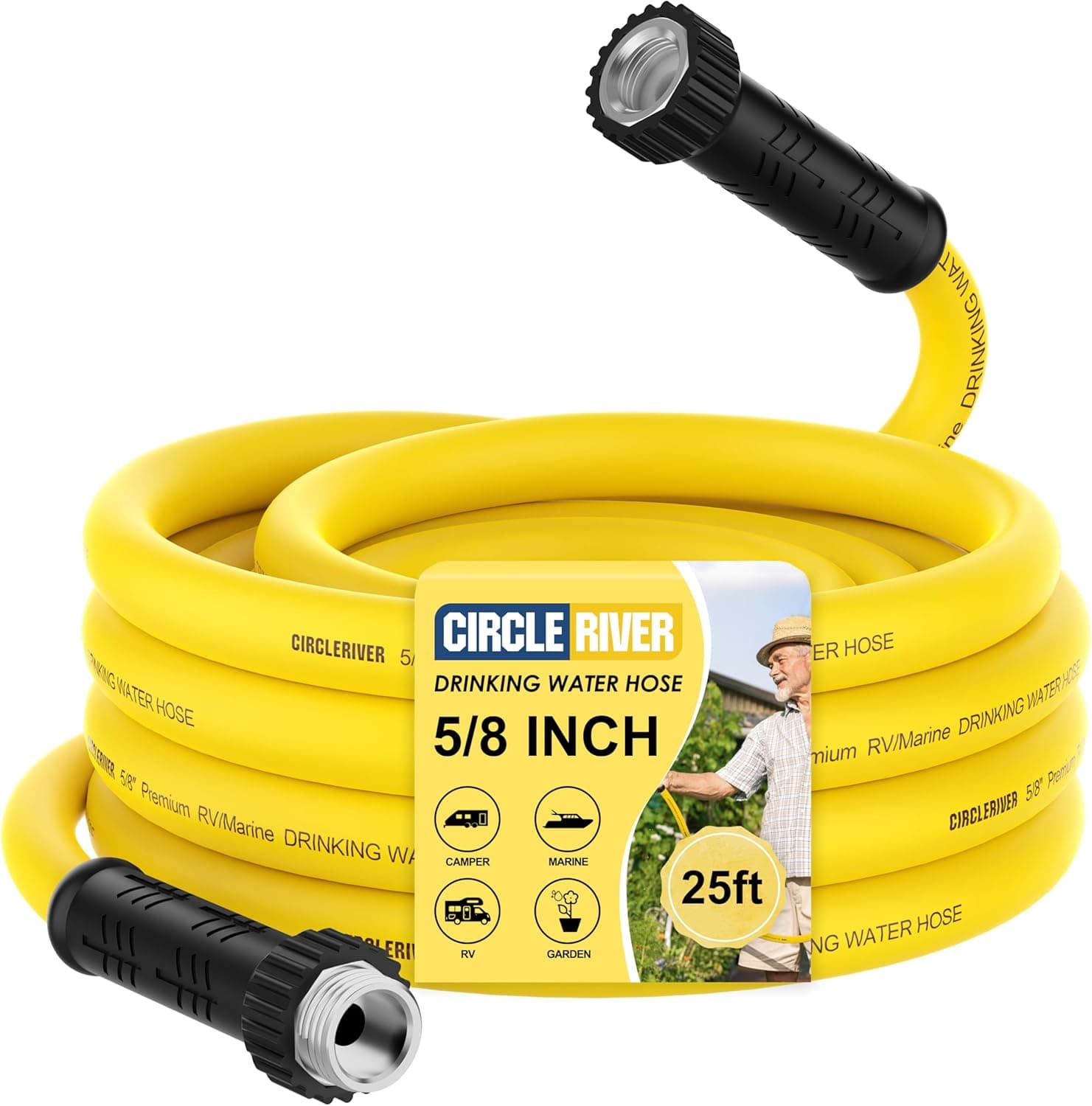
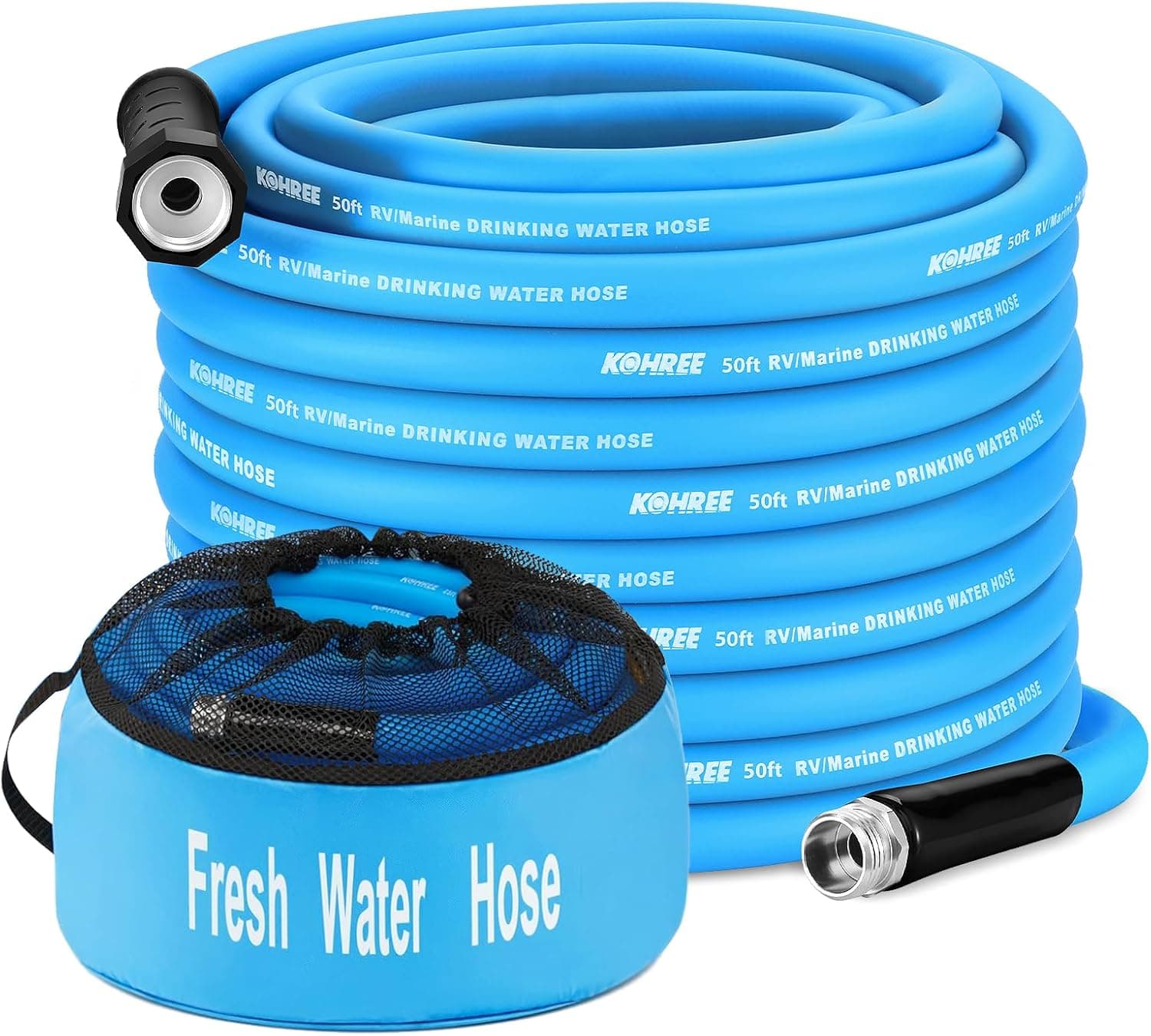
+ 50-Ft length reaches far spigots at older RV parks
From our guide: Best RV Water Hoses
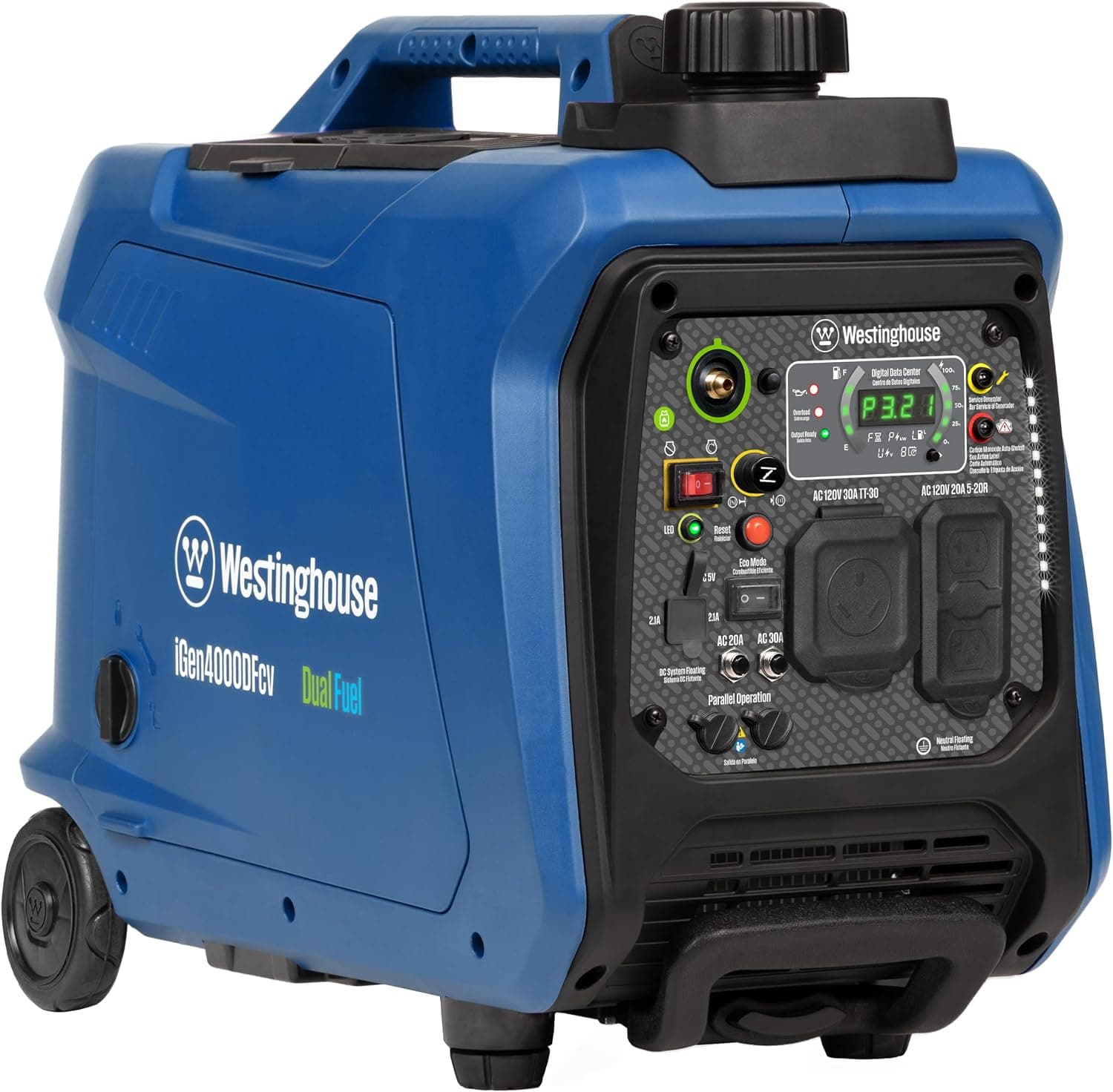
+ 4000 peak watts covers a single AC unit in many travel trailers
From our guide: Best RV Generators
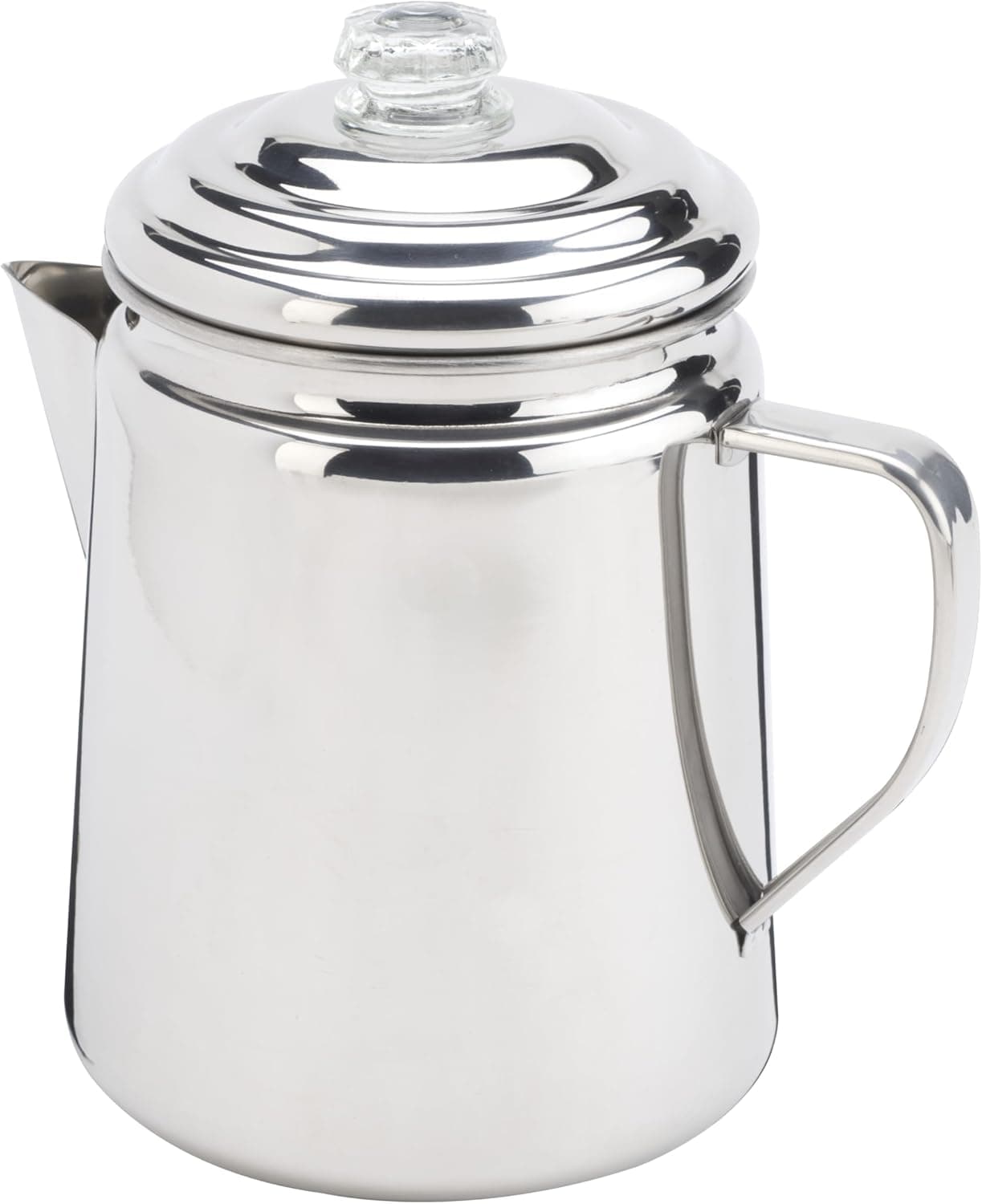
+ No filters needed, saving supplies and trash at camp
From our guide: Best RV Coffee Makers
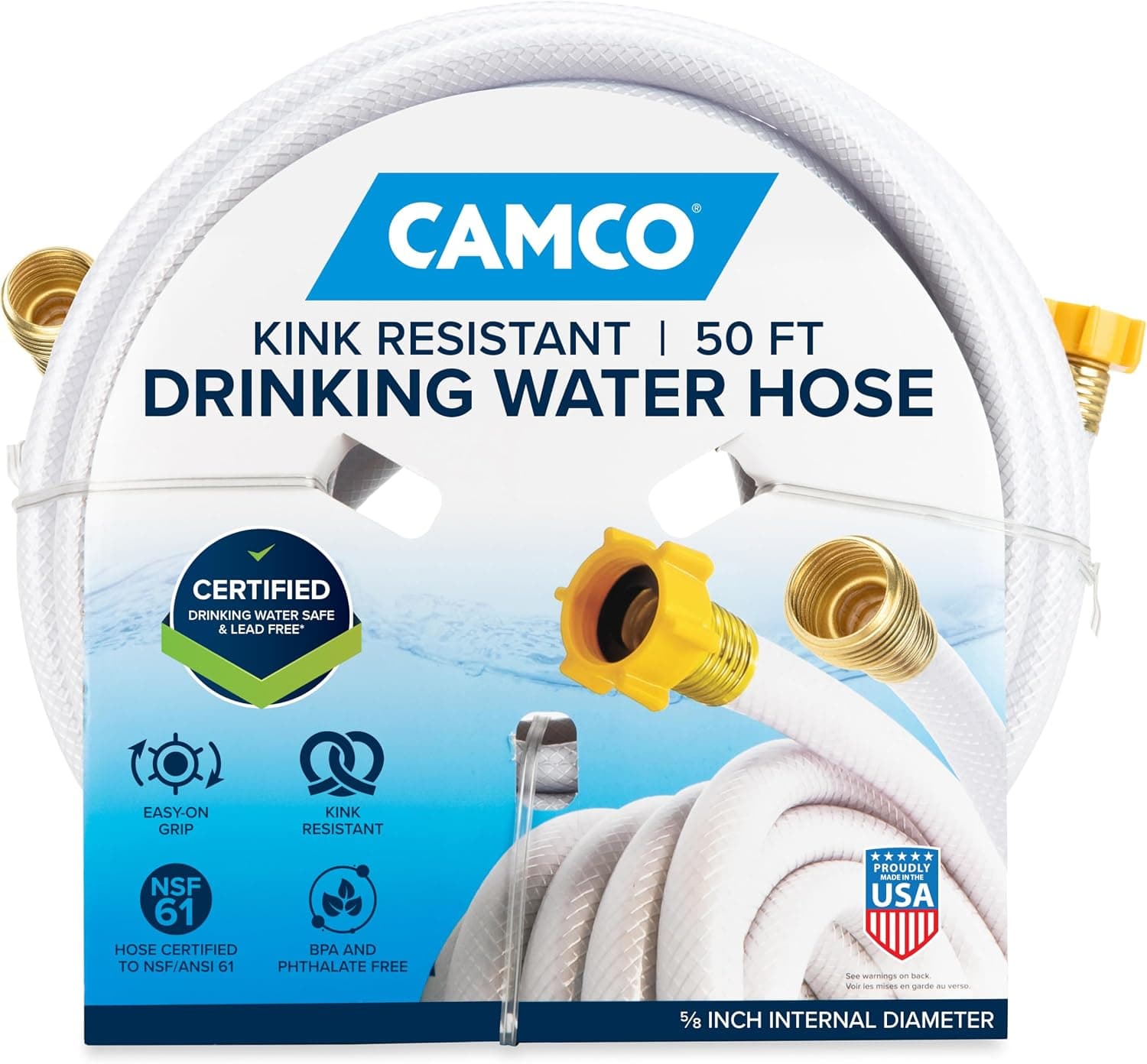
+ 50FT reach covers most campground water hookup distances
From our guide: Best RV Water Hoses
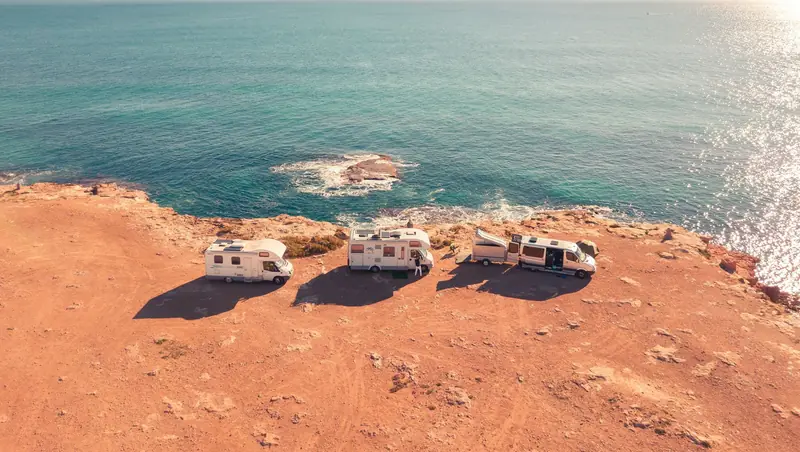
Start with where to go. Public land managed by the Bureau of Land Management and many national forests allows free dispersed camping, usually with a stay limit of around two weeks per spot. Apps and websites that catalog user reviewed sites are gold, since they tell you about road conditions, cell signal, and how level the ground is. Always check current rules for the specific area, because access and fire restrictions change with the seasons.
Water is your first real limit. You carry everything you will drink, cook, and wash with, and you store what goes down the drain in your gray and black tanks. Fill your fresh tank before you arrive, then stretch your supply with simple habits like navy showers, a dishpan for rinsing, and paper products when you want to save water. Knowing roughly how many days your tanks last takes the guesswork out of planning.
Power comes next. A solar setup with a healthy battery bank keeps most campers comfortable, and a portable generator makes a fine backup for cloudy stretches or running a microwave. Switch to LED lights, charge devices while the sun is high, and be mindful of energy hungry appliances. If you track your usage for a few trips, you will learn your own rhythm and stop worrying about the battery gauge.
Safety and comfort go hand in hand. Arrive with plenty of daylight so you can scout the road and find a level, firm spot away from washes that could flood. Trust your gut about a location, and if a place feels wrong, simply move on. Keep your rig stocked with a good first aid kit, basic tools, and a way to call for help, since you may be far from quick assistance.
Finally, camp so the next person finds the spot as beautiful as you did. Pack out every scrap of trash, dump your tanks only at proper stations, keep campfires small and legal, and give wildlife and other campers plenty of room. Leaving no trace is not just courtesy, it is what keeps these free areas open for all of us.
Your first boondocking trip may feel like a leap, so ease in by picking a well reviewed site close to town. Once you feel that first morning of coffee in total quiet with no neighbors in sight, you will be planning the next escape before you have even packed up.
Popular right now
- How to Fix an RV Water Pump That Runs but Delivers No WaterArticle
- Best RV Slide-Out CoversBuying guide
- Best RV Power CordsBuying guide
- Best RV Backup CamerasBuying guide
- Best RV Solar PanelsBuying guide
- Best RV GPSBuying guide
Based on the last 28 days of search and visitor data.