RV Water System Maintenance
As an Amazon Associate I earn from qualifying purchases.
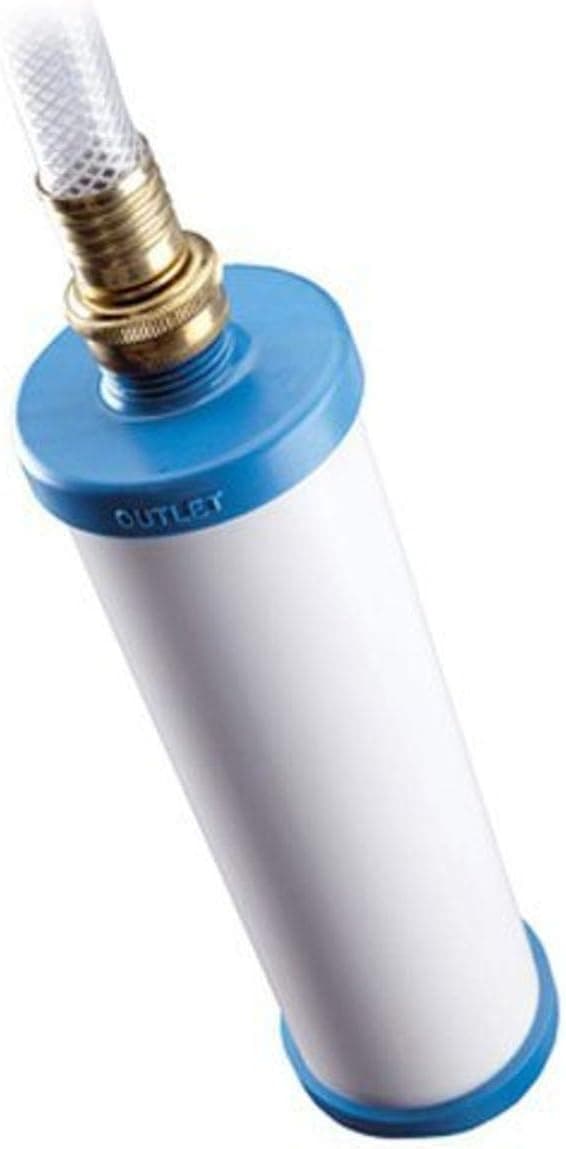
Your RV's fresh water system is easy to ignore until the water tastes off, the pump cycles endlessly, or a slow leak swells a cabinet floor. A little routine maintenance keeps the water safe to drink and the whole system reliable, and none of it requires special skills. The core tasks are sanitizing, filtering, protecting the pump, and catching leaks early before they become expensive.
Sanitizing the fresh water tank should happen at least twice a year, and always after de-winterizing in spring. The standard method uses ordinary unscented household bleach at roughly a quarter cup per fifteen gallons of tank capacity, mixed into water and added to the tank. Fill the tank, run every faucet until you smell bleach at each one, then let it sit for several hours or overnight. Drain it completely and refill with fresh water, running the taps again until the bleach smell is gone. This kills the biofilm and bacteria that make water taste stale and can make you sick.
Filtration protects both your health and your plumbing. A basic inline carbon filter at the hose connection removes sediment, chlorine taste, and odors from campground water, and it is the cheapest upgrade you can make. For finer protection, a two-stage canister filter with a sediment cartridge followed by carbon catches more and lasts longer. Whatever you use, replace cartridges on schedule, because a clogged filter restricts flow and an exhausted carbon element stops working while still looking fine.
The water pump is the heart of the system and rewards a little attention. If the pump runs constantly or short-cycles rapidly even with all taps closed, you likely have a small leak or air in the lines, and chasing it down early prevents wasted water and a worn-out pump. Clean the small inlet strainer screen periodically, since debris there makes the pump work harder and reduces pressure. A pump that has grown noisy often just needs its mounting checked and a bit of foam padding to stop it hammering against the frame.
Leaks are the silent damage-doer, so inspect connections regularly. Feel under the sink, around the water heater, and at the pump for dampness, and look for staining or soft spots on cabinet floors. When on city water, a pressure regulator is essential, because campground pressure can spike well above what your plumbing is rated for and blow a fitting apart while you are away. Set it to around 45 to 55 psi, which is plenty for good flow without stressing the system.
Seasonal care ties it all together. Before storage in a freezing climate, winterize the entire system fully to prevent cracked lines, and in spring flush and sanitize before drinking. Sanitize the water heater too by draining it and checking or replacing the anode rod, which corrodes on purpose to protect the tank. If you notice a sulfur smell, that anode rod combined with certain water is usually the cause, and replacing it or switching rod material often solves it. Keep up these simple habits and your water will stay clean, your pump will last for years, and you will never open a cabinet to find a hidden flood.